Let's be real. When you think of a hotel in Japan, you probably picture a sleek city tower or a traditional ryokan with tatami mats. But there's a quieter, deeper movement happening. Scattered across the mountains, nestled in forgotten villages, and perched on forest edges are Japan's eco lodges. These aren't just places to sleep. They're a full immersion into a philosophy—one that blends ancient Japanese respect for nature with cutting-edge sustainability. Forget generic tourism. This is about waking up to birdsong, eating food grown steps from your door, and soaking in a bath heated by the earth itself. It's travel that leaves you refreshed and leaves almost no trace.
Your Quick Guide to This Article
What Exactly Is a Japanese Eco Lodge? (It's More Than Solar Panels)
Calling a place an "eco lodge" can mean a lot of things. In Japan, it's a specific vibe. It's not just about having LED lights and asking you to reuse towels—though they do that too. It's a holistic approach rooted in satoyama, the traditional concept of living in harmony with the mountain and forest.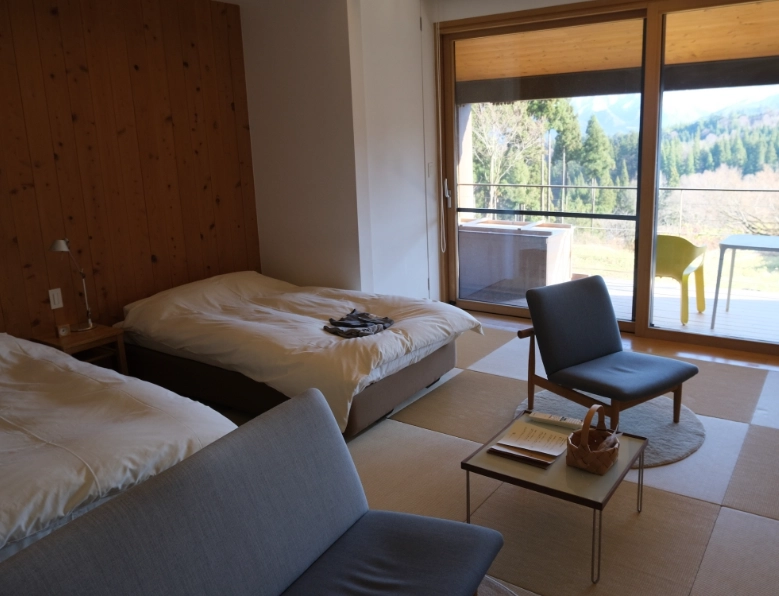
Think architecture that breathes. Massive timbers from locally thinned forests. Walls made of earth and straw. Windows positioned to catch the morning sun for natural heating. I stayed in one place in Nagano where the entire building was designed around a 200-year-old beech tree; the deck wrapped around it like an embrace.
The food is a huge part of the story. It's hyper-local to the point of being hyper-seasonal. You're not getting tuna flown in from Tokyo. You're eating river fish caught that morning, wild mountain vegetables foraged from the hillside, and rice grown in the paddies you see from your window. The menu is a daily report from the land. The Japan National Tourism Organization often highlights this farm-to-table, or rather mountain-to-table, aspect of regional travel.
And then there's the community piece. Many of the best eco lodges are acts of rural revival. They're run by people who left Tokyo or Osaka and moved to a depopulating village, restoring old houses and hiring local craftsmen. Your stay directly supports that village. You might meet the potter who made your cup or the brewer who made your sake.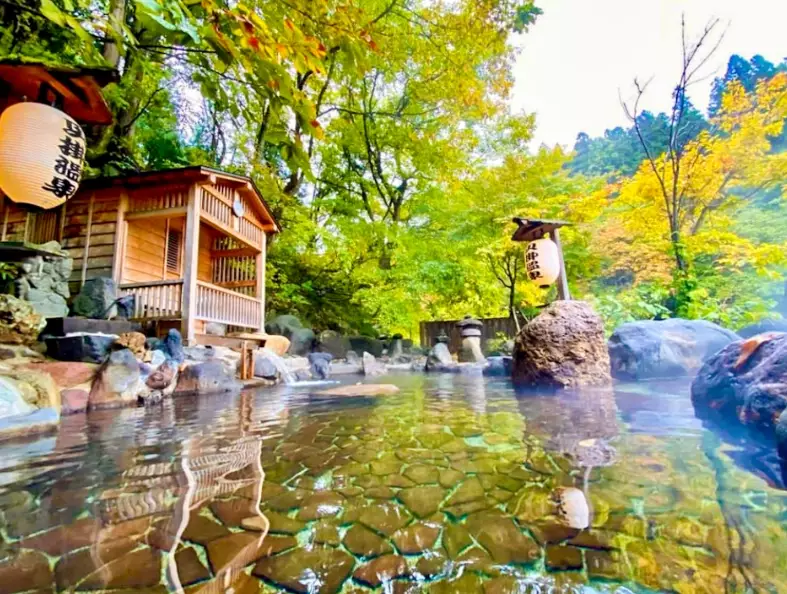
How to Choose the Right Eco Lodge for You
Not all green getaways are created equal. Picking the wrong one can turn a dream trip into a frustrating experience. I've seen it happen. A friend booked a "remote forest retreat" expecting a digital detox, only to find the wifi was so bad she couldn't even message her family, and the isolation felt more lonely than peaceful.
So, ask yourself these questions:
What's your comfort level with "roughing it"? Spectrum is key. On one end, you have places that are almost off-grid: compost toilets, shared baths, meals you might help prepare. On the other end, you have what I call "polished wilderness"—high-design cabins with underfloor heating, private onsen, and a concierge. Both are valid, but know which you're booking.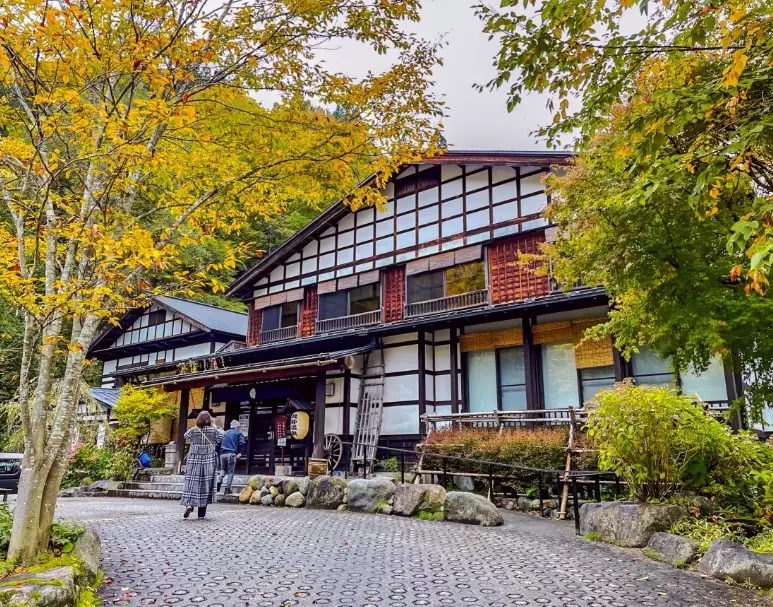
What's the real purpose of your trip? Are you after deep silence for writing or meditation? A base for serious hiking in the Japan Alps? A cultural deep-dive with farming and craft workshops? Or simply a beautiful, quiet place to unwind with a book? Lodges often specialize.
How important is accessibility? This is the big one. The most magical places are often the hardest to reach. Are you willing to navigate multiple trains, a local bus, and maybe a pre-booked taxi or lodge shuttle? Or would you prefer a place a short walk from a train station? Always, always map out the final leg of the journey using a service like Google Maps or Japan's Navitime before you commit.
My Top Picks: Three Standout Japanese Eco Lodges
Based on years of poking around, here are three that genuinely walk the talk, each offering a completely different slice of the eco-lodge experience.
1. Hoshinoya Fuji (Yamanashi) – The Glamping Pioneer
Let's start with the one that redefined the category. Hoshinoya Fuji isn't hidden away. It's a sleek, vertical lodge facing the iconic mountain. Don't let the design fool you—its eco-credentials are serious. The building uses local larch, and its operations are meticulously low-impact. But the experience is about connection. You spend your days with expert guides: foraging, making campfire bread, canoeing on the lake. At night, you grill local produce on your private deck. It's less about austerity and more about rewilding your spirit in sheer comfort.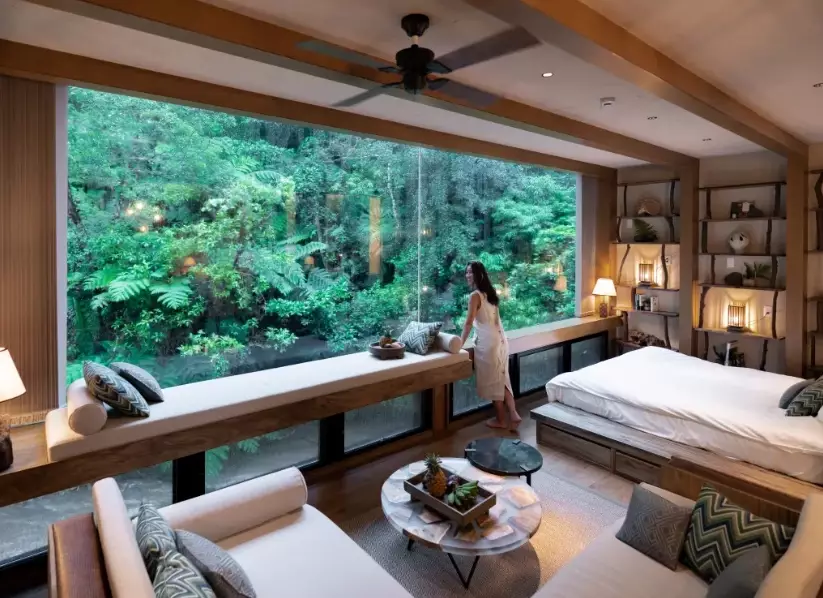
- Address: 1408 Oishi, Fujikawaguchiko-machi, Minamitsuru-gun, Yamanashi.
- Key Feature: "Glamping" with guided outdoor activities. Everything is provided, from premium camping gear to expert instructors.
- Price Point: High. Expect around ¥70,000 - ¥120,000 per person per night with meals.
- Best For: Design lovers and active travelers who want an effortless deep-nature experience.
2. Satoyama Jujo (Niigata) – The Farmhouse Reborn
This is the poster child for rural revival. Two brothers converted their family's 150-year-old farmhouse in the snow country into a warm, minimalist retreat. The ethos is "food and design." They work with nearby organic farmers (and their own garden) to create stunning multi-course dinners. The architecture is a masterclass in reuse—old wood, paper, and earth feel both ancient and modern. In winter, you're buried in meters of snow. In summer, the green is overwhelming. It's a place that changes utterly with the seasons.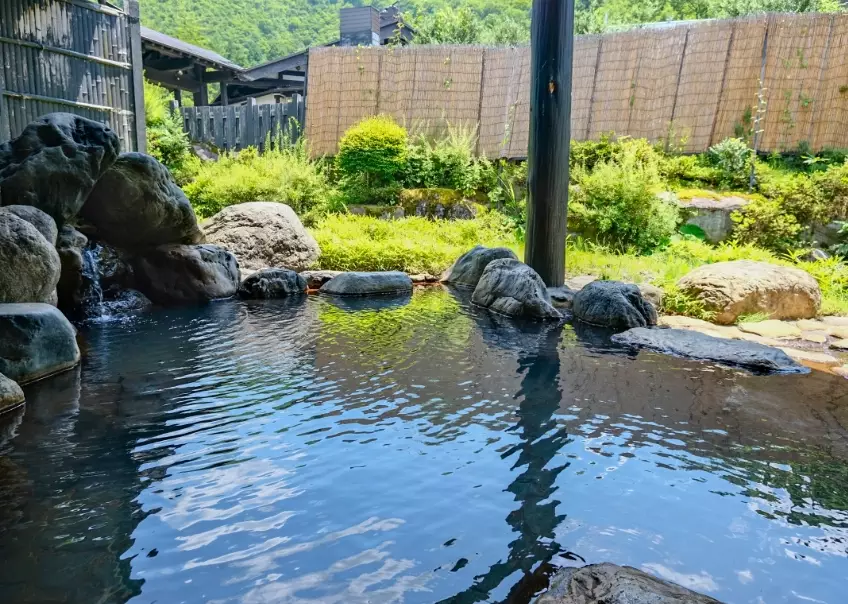
- Address: 381-3 Yawata, Minamiuonuma-shi, Niigata.
- Key Feature: Incredible, hyper-local cuisine and stunning seasonal transformation.
- Price Point: Mid-High. Around ¥50,000 - ¥80,000 per person per night with two meals.
- Best For: Foodies and those seeking a serene, seasonal retreat deeply connected to agricultural rhythms.
3. Hotel Why (Kamikatsu, Tokushima) – The Zero-Waste Statement
This one is for the committed. Kamikatsu is a town aiming for zero waste, sorting trash into 45 categories. Hotel Why, shaped like a giant "?", is built almost entirely from recycled and upcycled materials from the town. The stay is an education. You'll learn about the zero-waste lifestyle, join workshops, and eat at the local circular eatery. The rooms are simple, functional, and fascinating. It's not a luxury escape; it's a participatory experience in one of Japan's most radical sustainability experiments.
- Address: 7-2 Shimohirama, Kamikatsu-cho, Katsuura-gun, Tokushima.
- Key Feature: Immersion in a pioneering zero-waste community.
- Price Point: Low-Mid. Around ¥15,000 - ¥25,000 per person per night (meals sometimes separate).
- Best For: The eco-curious, students, and travelers who want a thought-provoking, community-focused stay.
| Lodge | Region | Core Experience | Ideal For |
|---|---|---|---|
| Hoshinoya Fuji | Yamanashi (Near Tokyo) | Luxury Glamping & Guided Adventure | Active couples, design seekers |
| Satoyama Jujo | Niigata (Snow Country) | Seasonal Cuisine & Farmhouse Serenity | Food lovers, peace seekers |
| Hotel Why | Tokushima (Shikoku) | Zero-Waste Community Immersion | Eco-advocates, curious learners |
The Nitty-Gritty: Booking & Preparation Tips
Okay, you're sold. Now for the practical stuff that can make or break your trip.
Booking Windows Are Everything. These places are small. Popular seasons (autumn colors, ski season, cherry blossoms) get booked solid, often 6-12 months out. Sign up for their newsletters or follow them on social media to catch booking openings. Don't wait until you've booked your flights to look for a lodge.
Communication is Key. Many lodge websites have excellent English, but the booking process might be via email or a form. Be clear about dietary needs (vegetarian, allergies), any mobility issues, and your expected arrival time. Confirm shuttle pick-ups in writing.
Pack for the Place. This isn't a city hotel. Even at upscale spots, bring:
- Sturdy, comfortable shoes for walking on paths or trails.
- Layers of clothing. Mountain areas are much cooler.
- A small backpack for day excursions.
- Maybe a favorite snack or tea if you're particular (though the local offerings are usually amazing).
Embrace the Rhythm. Things run slower. Dinner is at a set time. Activities might start early. The wifi might encourage you to put the phone down. That's the point. Go with it.
Your Questions, Answered
The world of Japan's eco lodges is waiting. It asks for a little more planning, a little more intention. But what you get back is immeasurable—a sense of place, a connection to the land, and memories that are made of clean air, quiet moments, and the profound beauty of a country that knows how to live with nature.

Share Your Thoughts