You've booked two weeks for Japan, focusing on the classic Tokyo-Kyoto-Osaka route. Smart move. This triangle gives you the modern buzz, the ancient heart, and the vibrant kitchen of Japan. But how do you stitch it together without feeling rushed or missing the good stuff? After more trips than I can count, I've refined a 14-day plan that balances iconic sights with local flavor, and I'm throwing in the nitty-gritty details most guides gloss over.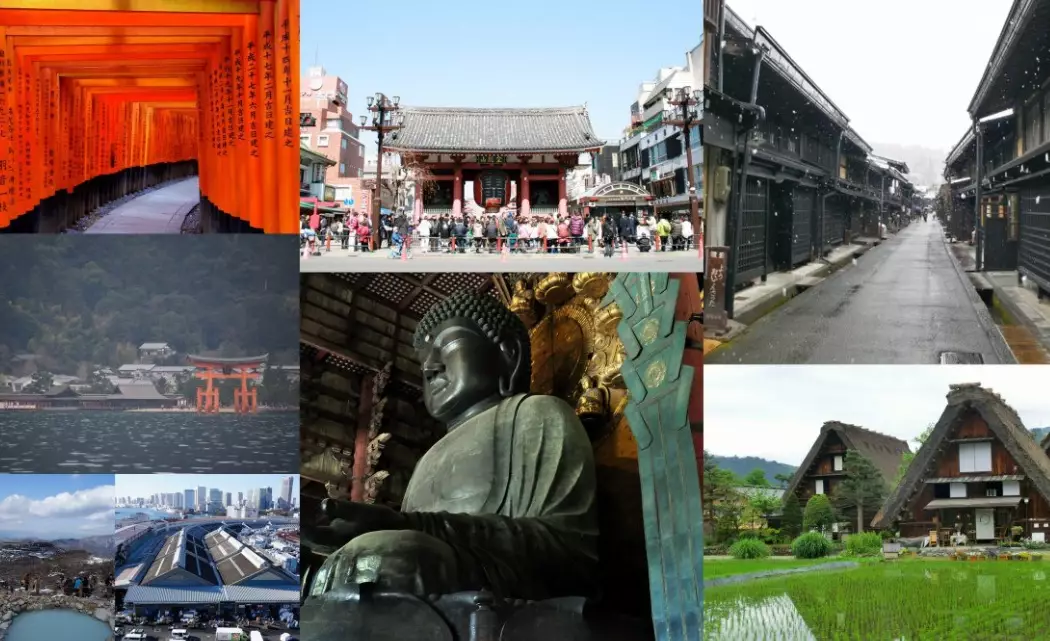
Let's get straight to it. This itinerary assumes you're flying into Tokyo (Narita or Haneda) and out of Osaka (Kansai). We'll spend 6 nights in Tokyo, 4 in Kyoto, and 3 in Osaka, using the shinkansen (bullet train) as our magic carpet between cities.
Your 14-Day Japan Trip at a Glance
- Days 1-3: Tokyo - Modern Pulse & Pop Culture
- Days 4-6: Tokyo - A Deeper Dive
- Days 7-9: Kyoto - The Ancient Heart
- Days 10-11: Osaka - The Urban Kitchen
- Days 12-14: Flex Days & Day Trips (Nara, Kobe)
- What Will This Japan Trip Cost?
- Getting Around: The JR Pass & Local Cards
- Where to Stay: Hotel Picks by City
- The Food Map: Can't-Miss Eats
- Your Japan Trip Questions Answered
Days 1-3: Tokyo - Modern Pulse & Pop Culture
You'll likely be jet-lagged. Day one is about gentle immersion, not marathon sprinting.
Day 1: Shinjuku & Shibuya Orientation. After settling in, head to Shinjuku. Walk through the chaotic, neon-lit alleys of Omoide Yokocho for a vibe check. For a panoramic (and free) view of the endless cityscape, go to the Tokyo Metropolitan Government Building Observatory. It's open 9:30 AM to 11:00 PM. Then, hop on the Yamanote Line to Shibuya. See the scramble crossing, but skip the overhyped Starbucks view. Instead, go to the rooftop of the Magnet by Shibuya 109 building (fee: ~¥300) for a better, less crowded angle. Dinner? Find a standing soba shop. They're fast, delicious, and authentic.
Day 2: Asakusa & Akihabara. Start at Senso-ji Temple (Asakusa). Go early, before 9 AM, to beat the tour groups. The temple grounds are free, open 6:00 AM to 5:00 PM. Nakamise-dori street is touristy, but try the fresh senbei (rice crackers). Afternoon, dive into Akihabara. This is electric town. Don't just window-shop; go into a multi-story arcade like GiGO and try a rhythm game. A common mistake? Spending too much time here if you're not into anime/games. 2-3 hours is plenty for most.
Day 3: Harajuku & Shibuya (Part 2). Morning in Harajuku. Takeshita Street is a rite of passage—think crazy crepes and teen fashion—but it's packed. For a calmer, beautiful contrast, walk five minutes to the Meiji Jingu shrine (free, opens at sunrise). The forest path is a total reset. Later, explore the upscale boutiques and cafes of Omotesando. For dinner, head to a yakitori alley like Nonbei Yokocho in Shibuya.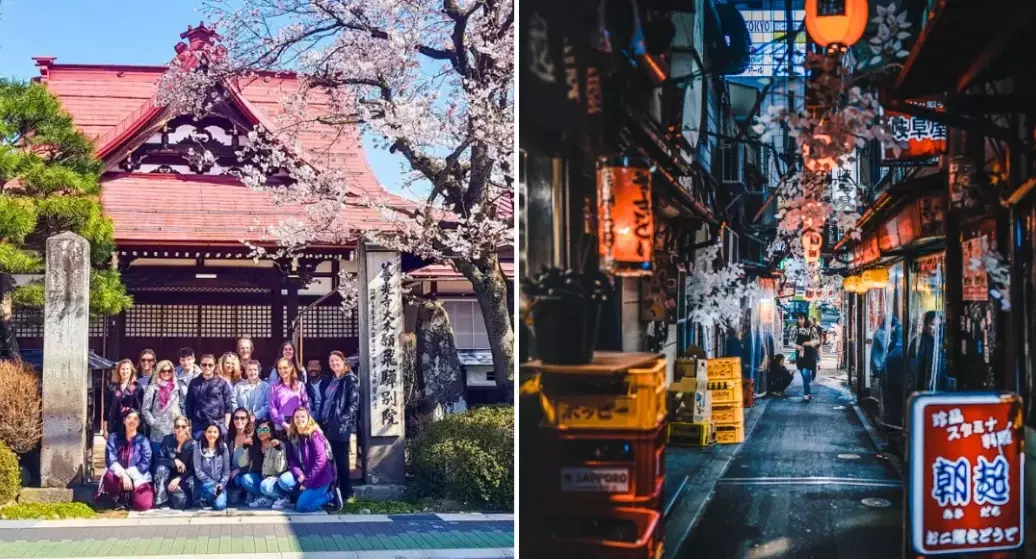
Days 4-6: Tokyo - A Deeper Dive
Time to explore beyond the central wards.
Day 4: TeamLabs & Odaiba. Book a morning ticket online for teamLab Planets TOKYO in Toyosu. It's a sensory, immersive art experience you walk (and wade) through. Tickets are ¥3,800, and booking ahead is mandatory. Afterward, take the Yurikamome line to Odaiba for futuristic architecture, the giant Gundam statue, and views of Rainbow Bridge.
Day 5: Day Trip to Kamakura. Escape the metropolis. Take the JR Yokosuka Line from Tokyo Station to Kamakura (about 1 hour). See the Great Buddha (Kotoku-in, ¥300). Then hike (or take a bus) to the beautiful Hase-dera temple. The coastal walk from there to Hase Station is lovely. Many itineraries suggest Hakone here, but Kamakura is easier, cheaper, and gives you a solid dose of history and seaside in half a day.
Day 6: Tsukiji Outer Market & Ginza. Early morning at Tsukiji Outer Market. The inner wholesale market moved, but the outer retail market is very much alive. Go for fresh sushi breakfast (try Sushi Daiwa), tamagoyaki (sweet omelet), and seafood skewers. It gets crowded by 10 AM. Then, stroll to Ginza for window shopping. Check out the Itoya stationery paradise. Tonight, pack. You're heading west tomorrow.
Days 7-9: Kyoto - The Ancient Heart
Take a morning shinkansen from Tokyo Station to Kyoto Station. The Nozomi train takes about 2 hours 15 minutes. Pro tip: Buy an ekiben (station lunch box) and drinks before boarding. Lunch with a view of Mount Fuji (sit on the right side from Tokyo) is a classic experience.
Day 7: Southern Higashiyama. Drop bags at your hotel. Head straight to Kiyomizu-dera (¥400). The main hall is under renovation until 2025, but it's still worth it for the views. Walk down the stone-paved Sannen-zaka and Ninen-zaka slopes. This area is beautiful but swamped by midday. Late afternoon, visit Kodai-ji (¥600) for its exquisite gardens. It's often quieter.
Day 8: Arashiyama. Go to Arashiyama Bamboo Grove as early as humanly possible. I'm talking 7:30 AM. By 9 AM, it's a human highway. After the grove, visit the nearby Tenryu-ji temple (¥500 for garden, ¥800 including building). Its garden is a masterpiece. Skip the crowded monkey park unless you're desperate. Instead, consider a short scenic train ride on the Sagano Romantic Train.
Day 9: Fushimi Inari & Downtown. Another early start for Fushimi Inari Shrine (free, always open). Most people crowd the first 200 meters of torii gates. If you hike for 30-45 minutes up the path, the crowds thin out dramatically, and you get serene forest views. Afternoon, explore downtown Kyoto: Nishiki Market (a food alley) and the shopping streets of Shinkyogoku and Teramachi. For dinner, try kyo-kaiseki (Kyoto multi-course cuisine) or a casual katsu restaurant.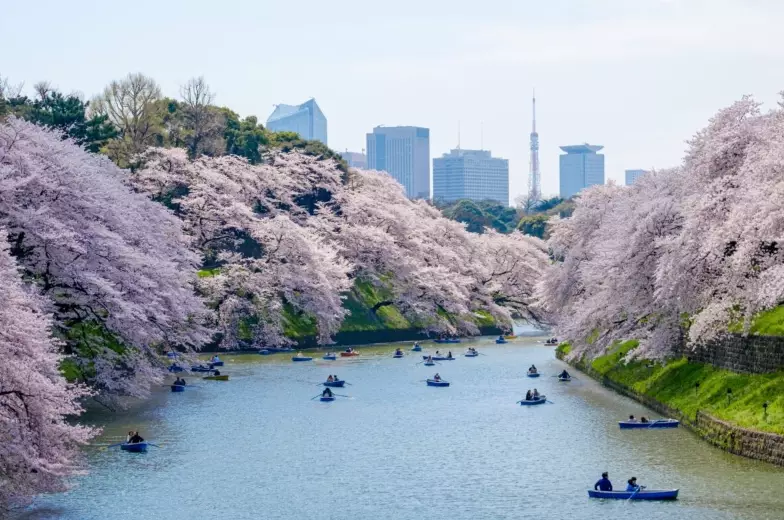
Days 10-11: Osaka - The Urban Kitchen
A short 30-minute train ride from Kyoto (not the shinkansen, just the local JR rapid train) brings you to Osaka.
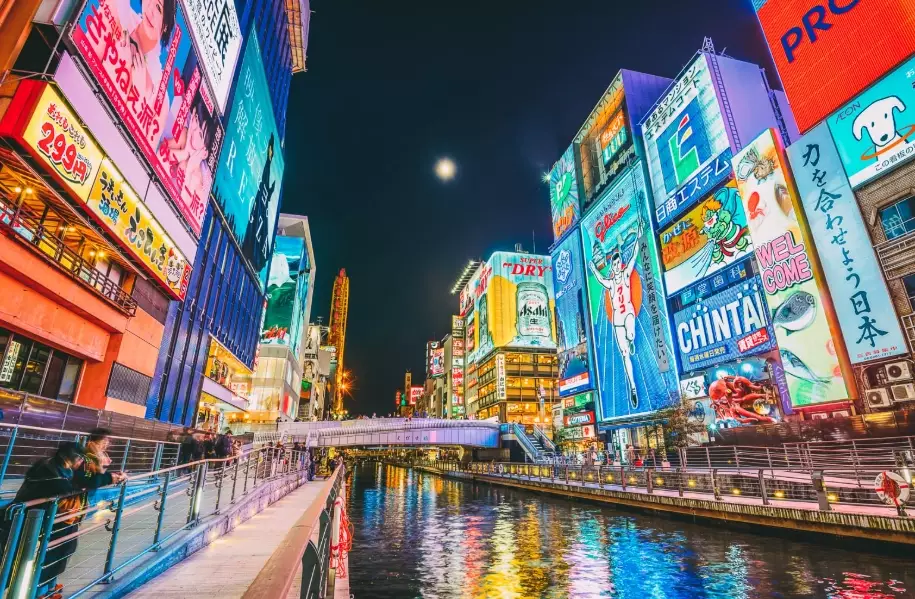
Day 10: Osaka Castle & Dotonbori. Visit Osaka Castle (¥600). The museum inside is modern, but the real gem is the surrounding Nishinomaru Garden (¥200), especially if you visit during cherry blossom season. Spend the evening in Dotonbori. This is street food heaven. Must-tries: takoyaki (octopus balls) from a stall with a long line, okonomiyaki (savory pancake) at a sit-down restaurant like Mizuno, and kushikatsu (deep-fried skewers). The giant moving crab and Glico Running Man signs are iconic.
Day 11: Shinsekai & Umeda. Morning in Shinsekai, a retro-futuristic district with a Tsutenkaku Tower. It has a grittier, more local feel. Eat kushikatsu here—it's the neighborhood specialty. Afternoon, head to Umeda for shopping. Visit the Umeda Sky Building's Floating Garden Observatory (¥1,500) for a 360-degree view of Osaka.
Days 12-14: Flex Days & Day Trips (Nara, Kobe, or Himeji)
You're based in Osaka now, with a Japan Rail Pass that's likely still active (if you bought a 7-day one starting on your Tokyo-Kyoto travel day). Use these days for exploration.
Day 12: Nara. A 45-minute train ride from Osaka. Feed the (sometimes pushy) deer in Nara Park, but be firm with your deer crackers. The main event is Todai-ji Temple (¥600), housing a colossal bronze Buddha. The scale is breathtaking. Kasuga Taisha shrine, with its thousands of stone lanterns, is also worth a visit.
Day 13: Choose Your Adventure. Option A: Himeji (30 min by shinkansen). See Himeji Castle, Japan's most magnificent original castle (¥1,000). It's a UNESCO site and far superior to Osaka Castle architecturally. Option B: Kobe (20 min by train). Visit the Earthquake Memorial, then take a cable car up Mount Rokko for city views. Of course, have Kobe beef for lunch—book a teppanyaki restaurant in advance. I recommend Steakland (budget-friendly) or Mouriya (higher-end).
Day 14: Final Souvenirs & Departure. Do some last-minute shopping in Osaka's Shinsaibashi area or at Kansai Airport, which has excellent duty-free shops. Your flight home likely departs from Kansai International Airport (KIX), accessible via the Nankai Line or Haruka express train.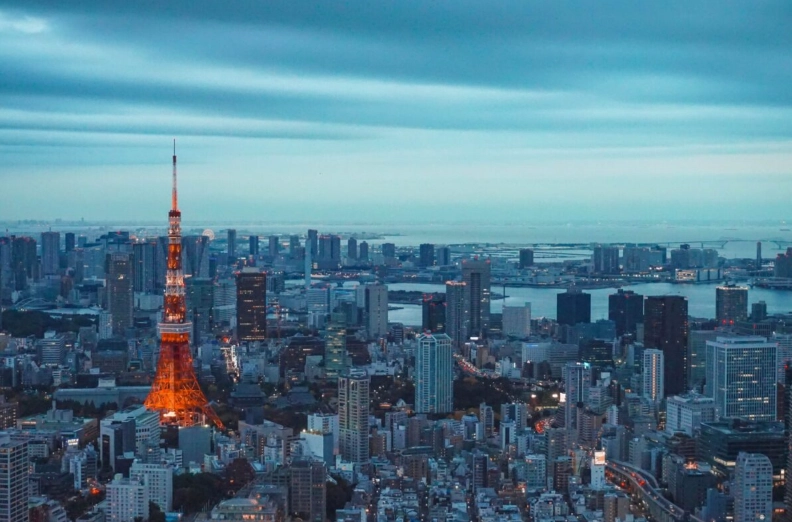
What Will This Japan Trip Cost?
Let's talk numbers. For a mid-range traveler (not budget backpacking, not luxury), here's a rough per-person breakdown for 14 days. Prices are in Japanese Yen and approximate.
| Category | Estimated Cost (Per Person) | Notes |
|---|---|---|
| Accommodation | ¥140,000 - ¥210,000 | ¥10,000-15,000/night for a decent business hotel or nice hostel. |
| Food & Drink | ¥70,000 - ¥105,000 | ¥5,000-7,500/day. Covers convenience store breakfast, casual lunch, nice dinner. |
| Local Transport & JR Pass | ¥60,000 | 7-Day JR Pass (~¥30,000) + Suica/Pasmo for local trips (~¥30,000). |
| Attractions & Entries | ¥15,000 - ¥20,000 | Temples, museums, observation decks. |
| Shopping & Misc | ¥30,000+ | Highly variable. Souvenirs, snacks, extra treats. |
| Total Estimate | ¥315,000 - ¥425,000 | ~$2,000 - $2,700 USD (excluding flights). |
The JR Pass is a big variable. For this Tokyo-Kyoto-Osaka itinerary with a Nara/Kobe day trip, a 7-day pass activated on your travel day from Tokyo to Kyoto usually pays off. Use a calculator like the one on Japan Guide to be sure.
Getting Around: The JR Pass & Local Cards
This trips people up. Here's the simple version.
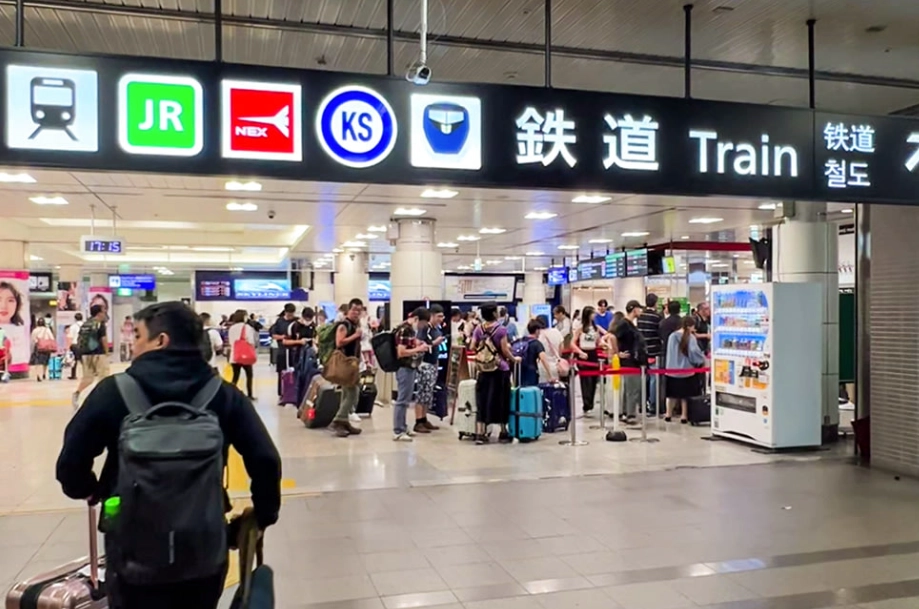
Buy a 7-Day Japan Rail Pass before you arrive in Japan. You get an exchange order online, then swap it for the actual pass at the airport or major stations. Activate it to start on the morning you take the shinkansen from Tokyo to Kyoto. It covers that bullet train, all JR trains in cities (like the Yamanote Line in Tokyo), and the trips to Nara, Himeji, Kobe, and the airport express (Haruka) to KIX.
For all non-JR trains, subways, and buses, use a rechargeable IC card: Suica or Pasmo. Tap in, tap out. You can buy and charge these at any station. They also work at convenience stores and vending machines. Get one as soon as you land.
Where to Stay: Hotel Picks by City
Location is key. You want to be near a major train station.
Tokyo: Stay near Shinjuku, Shibuya, or Tokyo Station. Shinjuku is a major transport hub. I like the Hotel Gracery Shinjuku (mid-range, right in Kabukicho) or the Mitsui Garden Hotel Jingugaien (quieter, near Meiji Jingu). For a more local feel, stations like Ueno or Asakusa are good too, but you'll spend more time on trains to get to Shibuya/Harajuku.
Kyoto: Avoid staying right at Kyoto Station—it's not the city's charming center. Choose Southern Higashiyama (for atmosphere, near Kiyomizu) or Downtown (Kawaramachi/Gion) (for dining and shopping). The Hotel The Celestine Kyoto Gion is excellent. A budget-friendly, clean option is the Hotel Resol Kyoto Kawaramachi Sanjo.
Osaka: Namba (for nightlife and food, near Dotonbori) or Umeda (for transport and shopping). The Hotel Nikko Osaka in Namba is connected to the subway and has great service. For a unique capsule hotel experience, try The Millennials Shinsaibashi (private pod-style rooms).
The Food Map: Can't-Miss Eats
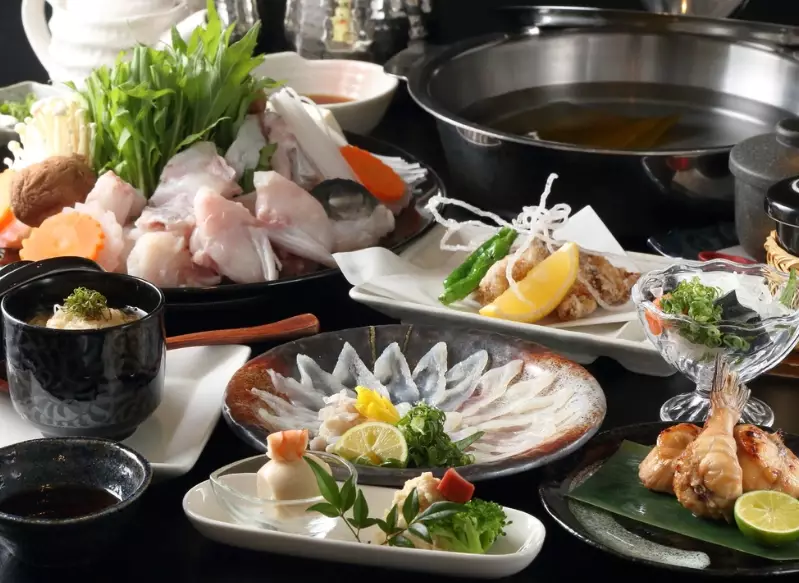
Don't just eat sushi. Here's a hit list by city.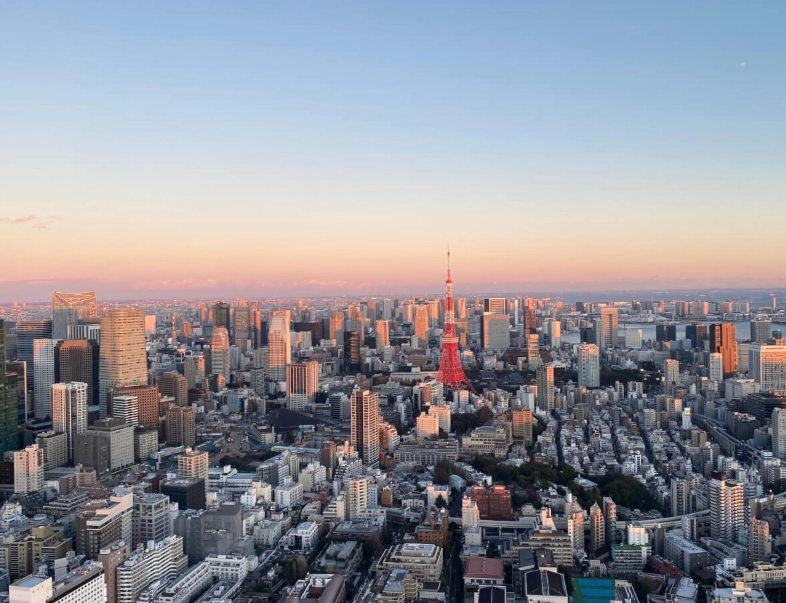
Tokyo:
- Sushi: For a casual, high-quality counter experience, try Uogashi Nihon-Ichi in Shibuya (standing sushi, fresh, ¥500-¥800 per two pieces). No reservations needed.
- Ramen: Skip Ichiran unless it's 3 AM. Go to a local shop like Nakiryu in Otsuka for Michelin-starred tantanmen (spicy ramen) or Tsuta (also Michelin, requires advance ticketing).
Kyoto:
- Kyo-kaiseki: Splurge at a place like Kikunoi (reservations essential, $$$). For a more accessible version, try Nishiki Warai for okonomiyaki in a fun setting.
- Yudofu: Tofu hot pot. Okutan near Nanzen-ji temple is the classic spot, set in a beautiful garden.
Osaka:
- Okonomiyaki: Mizuno in Dotonbori is famous. Expect a line.
- Kushikatsu: Daruma in Shinsekai. Remember the rule: no double-dipping your skewer in the shared sauce!
Your Japan Trip Questions Answered
Is a 14-day Japan itinerary for Tokyo, Kyoto, and Osaka too rushed?
Not at all. Two weeks is the sweet spot for this route. It lets you spend 5-6 days in Tokyo, 4 in Kyoto, and 3-4 in Osaka with day trips. The key is grouping activities by geography each day to minimize transit time. Rushing is trying to do Hiroshima as a day trip from Kyoto—that's a 5-hour round trip on the bullet train. Stick to the Kansai area (Nara, Kobe, Himeji) for your excursions from Kyoto/Osaka.
What's the biggest mistake first-timers make with this itinerary?
Over-scheduling. People try to hit 3 major temples, a market, and a garden in one Kyoto morning. It leads to temple fatigue. Pick one or two highlights per half-day and wander the surrounding streets. Serendipity—finding a quiet tea house or a small shop—often beats ticking off another crowded landmark. Also, not checking public holiday calendars. Golden Week (late April/early May) and Obon (mid-August) mean domestic travel chaos and booked-out hotels.
Should I buy the Japan Rail Pass before my trip or in Japan?
You must buy the exchange order before you arrive. As of October 2023, you can no longer purchase the standard JR Pass inside Japan. You buy it online from an authorized agent, get an exchange order mailed to you or as an e-ticket, and then swap it for the pass at designated counters in Japan. Give yourself time for delivery.
How do I handle the language barrier in restaurants?
It's easier than you think. Many places have plastic food displays or picture menus. Pointing works. For places with vending machine ticket systems (common in ramen shops), you put money in, press the button with the picture of the dish you want, get a ticket, and hand it to the staff. Say "sumimasen" (excuse me) to get attention and "arigatou gozaimasu" (thank you) when done. Download Google Translate's offline Japanese pack—the camera function to translate menus is a lifesaver.
What's one thing I should pack that most people forget?
Comfortable, slip-on shoes. You'll be taking your shoes off constantly—at temples, shrines, some traditional restaurants, and even when entering some people's homes if you do a homestay. Shoes you can kick off and put back on easily are a godsend. Also, a small coin purse. Japan runs on cash more than you'd expect for a high-tech nation, and you'll accumulate hundreds of ¥100 and ¥500 coins quickly.

Share Your Thoughts