Quick Navigation
Let's be honest. You're not looking for just another generic list of Tokyo towers and temples. You want to step into the worlds you've spent hours watching. You want to see the real-life Suga Shrine steps from Your Name, feel the buzz of Akihabara at night, and maybe, just maybe, find a Gachapon with that elusive figure you've been hunting. I get it. I've been there—overwhelmed by options, unsure where to start, worried about blowing the budget on plastic treasures.
This isn't a corporate travel brochure. This is a Japan travel guide for anime fans written by someone who's made the pilgrimage, gotten lost in Nakano Broadway, and learned the hard way which trips are worth it and which... well, aren't. We're going to cut through the noise.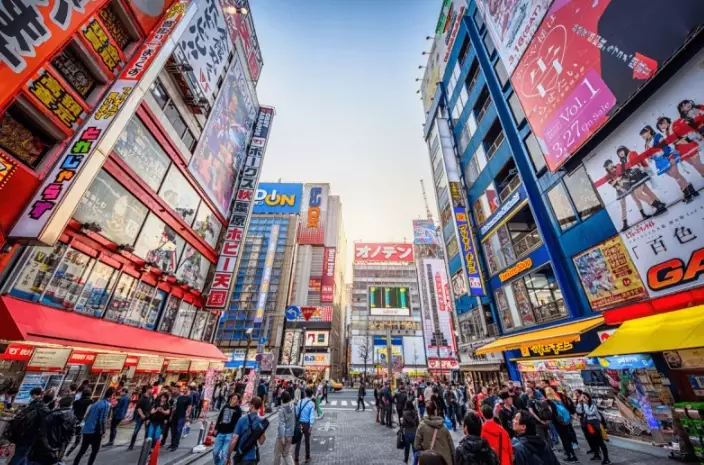
Good question. The mistake most first-timers make is trying to cram everything into a Tokyo-only trip. Japan's anime soul is scattered across the country. Your itinerary depends entirely on what you love. Love the rustic, countryside vibes of My Neighbor Totoro or the serene landscapes of Violet Evergarden? You'll need to look beyond the capital. Obsessed with the neon-drenched cyberpunk of Ghost in the Shell or Akiba's Trip? Tokyo's your playground.
Building Your Anime Pilgrimage Itinerary
Think of your trip in layers. Layer one is the non-negotiable anime hubs. Layer two is the specific pilgrimage sites for your favorite series. Layer three is the everyday magic—the convenience stores, the trains, the streets that feel anime even if they aren't a specific location.
The Essential Anime Hubs: Tokyo's Holy Trinity
You'll likely fly into Tokyo. These three districts form the core of any Japan travel guide for anime fans.
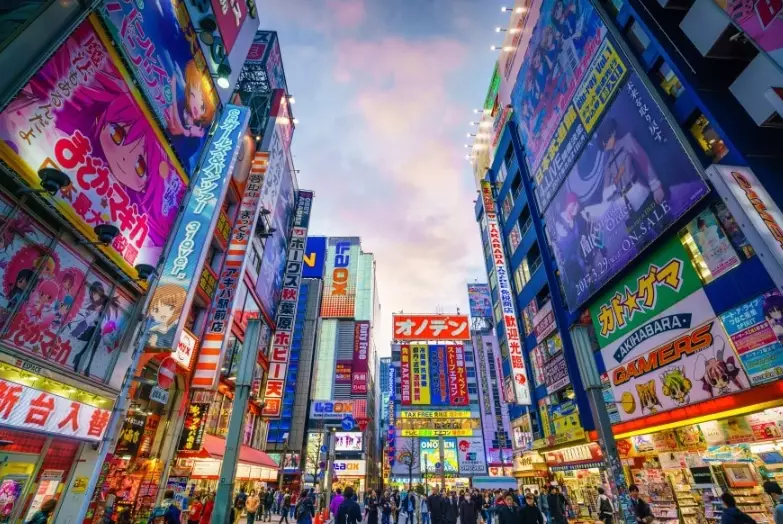
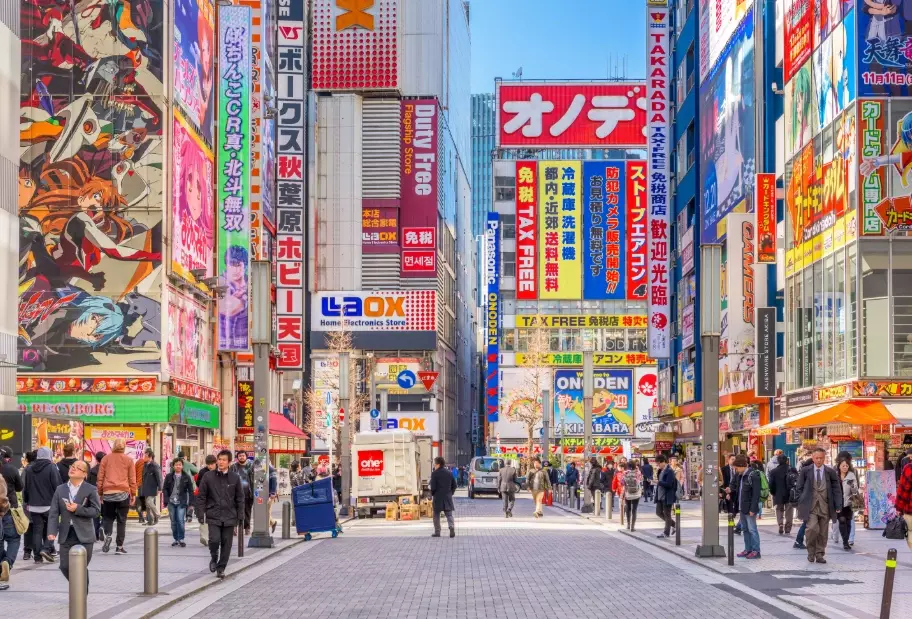
Akihabara: The Electric Town. It's everything you've heard—overwhelming, loud, and glorious. It's not just one street. The main drag, Chuo Dori, is for the tourists. The real treasures are in the multi-story buildings crammed into the side streets. Mandarake Complex for vintage manga and rare figures, Radio Kaikan for new releases, and countless arcades. A personal tip? Go on a Sunday afternoon when the main street is closed to traffic. The energy is unreal.
Akihabara Pitfall: The maid cafes. Look, the experience is... unique. But it's a tourist trap through and through. The food is mediocre and overpriced, and the interaction feels scripted (because it is). If you must go for the story, set a strict budget and time limit. Don't let them upsell you on the "special handshake photo." Just don't.
Ikebukuro: Akihabara's cooler, slightly less chaotic sibling. This is where you go for female-oriented anime and manga (dubbed "otome road" near Sunshine City). Stores like Animate and Kotoribito are massive here. The Pokemon Center in Ikebukuro is, in my opinion, the best one in Tokyo—less crowded than the one in Shibuya.
Nakano Broadway: If Akihabara is the present, Nakano Broadway is the past. It's a rabbit warren of small shops inside a 1960s shopping mall. This is the spot for serious collectors. You'll find vintage cels, out-of-print manga, and figures from series that aired decades ago. The prices can be high, but the authenticity is unmatched. It feels less like a tourist destination and more like a clubhouse for hardcore fans.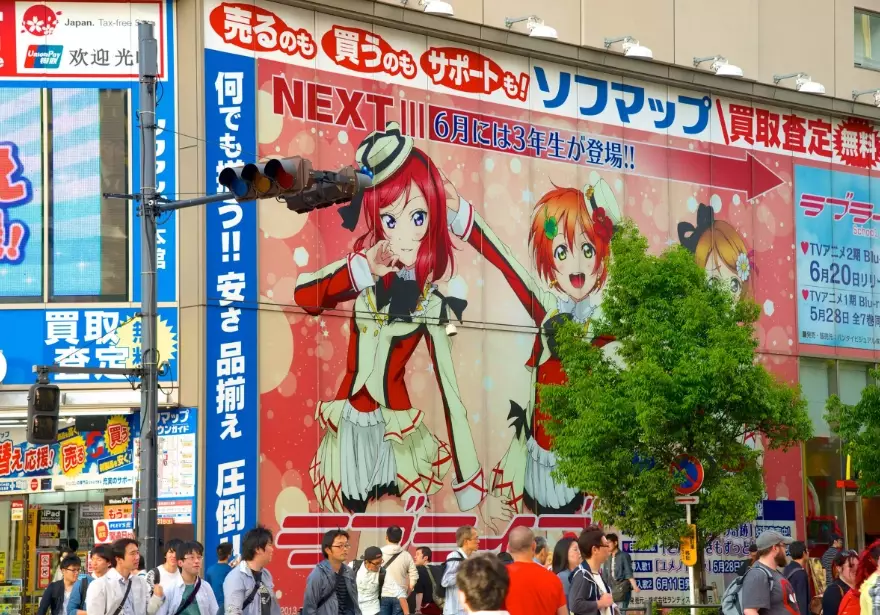
Beyond Tokyo: Where the Screen Truly Comes to Life
Tokyo is the supermarket. The rest of Japan is the farm-to-table restaurant. Here’s where you need to think about what you love.
| Region/City | Anime/Manga Vibe | Key Pilgrimage Sites | Best For... |
|---|---|---|---|
| Kyoto & Nara | Historical, serene, traditional. Think InuYasha, Rurouni Kenshin, The Tale of the Princess Kaguya. | Fushimi Inari Shrine (thousands), Kiyomizu-dera (the backdrop for many scenes), the historic streets of Gion. In Nara, the deer park feels like it's straight out of a Studio Ghibli film. | Fans of historical fantasy, beautiful scenery, and a slower pace. Perfect for photography. |
| Hakone & the Fuji Area | Hot springs, mountains, iconic views. The setting for much of Evangelion (Tokyo-3 is based on Hakone). | The Hakone Open-Air Museum (has a dedicated Picasso exhibit, but the scenery is anime-worthy), Lake Ashi pirate ships, the Owakudani volcanic valley. The view of Fuji from the train is a classic. | Relaxation combined with fandom. The official Evangelion website often has updates on related events. |
| Hokkaido | Wide-open spaces, snow, and seafood. The backdrop for series like Golden Kamuy and Silver Spoon. | Sapporo's ramen alley, the wild Shiretoko Peninsula, the historical port of Otaru. It's less about specific "spots" and more about immersing in the atmosphere. | Adventurous travelers who want to see a different, rugged side of Japan that often features in seinen manga. |
| Kansai Region (Osaka, Kobe) | Gritty, energetic, foodie paradise. Osaka's vibe is distinct from Tokyo's. | Osaka's Dotonbori (the neon lights!), Shinsekai (retro-futuristic), Kobe's Harborland. It's the setting for Detective Conan (Gosho Aoyama is from Hokuei in Tottori, nearby). | Fans of series set in these cities, or travelers who want a more boisterous, friendly urban experience. |
Ah, the big one. The Ghibli Museum in Mitaka, Tokyo, is a must, but tickets are a mission. They sell out months in advance online only through Lawson's website. No ticket, no entry. It's whimsical and beautiful, but it's not a theme park. It's more an art museum. For a more expansive Ghibli experience, you'll need to wait for the Ghibli Park near Nagoya to fully open (some sections are already open). It's a different concept—a park built into a existing forest, not a ride-heavy park.
Ghibli Pro-Tip: Can't get museum tickets? Visit the real-life inspirations. The Satsuki and Mei's house from Totoro is in a park near Nagoya (requires reservation). The town of Tomonoura in Hiroshima Prefecture heavily inspired Ponyo. Sometimes the real location is even more magical.
The Nitty-Gritty: Budget, Logistics & Etiquette
Let's talk money and manners. This is where most guides get vague.
Budgeting for the Otaku
Your biggest expense will be merchandise. It's a black hole for your wallet. Set a firm merchandise budget before you go. And I mean firm.
- Accommodation: Business hotels are your friend (Toyoko Inn, APA Hotel). Small rooms, but clean and efficient. Hostels are great for solo travelers. Consider staying near but not in Akihabara—it's cheaper and quieter.
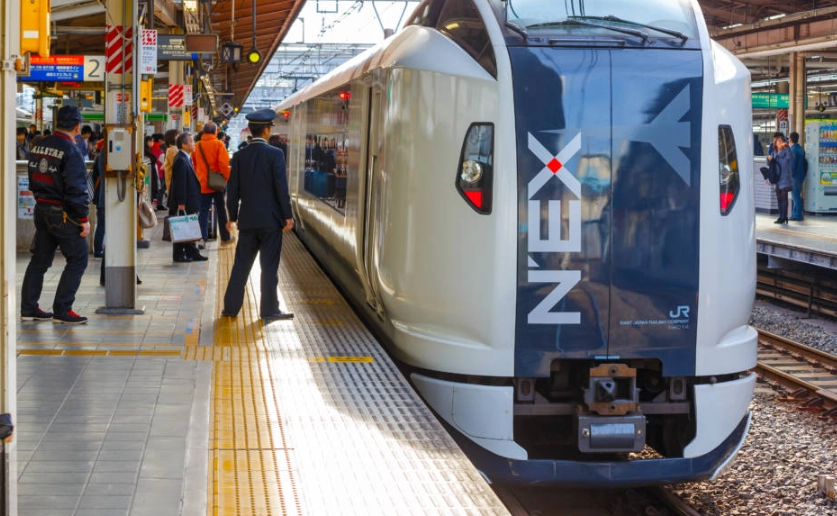
- Transport: A 7-day Japan Rail Pass may or may not be worth it. Use the calculator on the official Japan Rail Pass website or a site like Hyperdia to check your planned Shinkansen trips. For city travel, a Pasmo/Suica card is essential.
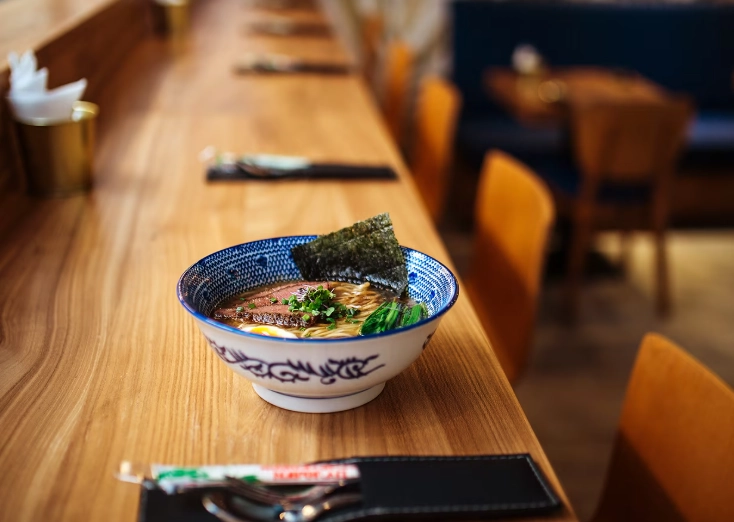
- Food: You can eat incredibly well for cheap. Conveyor belt sushi, ramen shops, and convenience store food (seriously, the 7-Eleven chicken is legendary) will save you money for that one fancy meal or extra figure.
Anime Fan Etiquette 101
Japan is incredibly welcoming, but it's not a theme park. Be respectful.
Photography: This is huge. Always ask before taking photos of people, especially in Akihabara with the maids or cosplayers. No photos in most stores (look for the camera-with-a-line-through-it sign). Don't block sidewalks while gawking at displays. Be aware of your surroundings.
Shopping: Don't haggle. Prices are fixed. Handle goods with care. Many stores have baskets—use them to carry items you're considering, don't just pile them in your arms.
Pilgrimage Sites: If you're visiting a quiet rural town that was featured in an anime, remember you're a guest. Don't be loud, don't trespass on private property to get the "perfect shot," and support the local economy by buying a drink or a snack from a nearby shop.
Digging Deeper: Events, Seasons & Hidden Gems
Timing your trip can unlock unique experiences.
Anime Events & Seasonal Considerations
Major events like Comiket (August & December) are insane, overwhelming, and amazing if you're prepared for crowds of epic proportions. Smaller events like Ikebukuro's Otome Road events or anime song live concerts are easier to handle. Check schedules on sites like AnimeJapan for the big convention.
Season matters. Spring for cherry blossoms (but also peak crowds and prices). Autumn for beautiful foliage and pleasant weather. Summer is hot, humid, and festival season. Winter has illuminations and fewer tourists, but some rural pilgrimage sites might be harder to access.
Beyond the Obvious: My Personal Hidden Gems List
- Odaiba: Not exactly hidden, but often overlooked by anime fans. The giant Gundam statue at DiverCity is a must-see (it moves!). The teamLab Borderless digital art museum (note: temporarily relocated, check status) feels like walking into an anime dreamscape.
- Yokohama's Chinatown & Minatomachi: A beautiful port city with a different feel. The Cupnoodles Museum is oddly fascinating, and the night view from the waterfront is stunning—it gives off strong sci-fi city vibes.
 Book Off/Hard Off Stores: These second-hand chains are everywhere, even in small towns. You can find used manga, games, and figures for dirt cheap. It's a treasure hunt.
Frequently Asked Questions (The Real Ones)
Look, the core of a successful trip is this: don't just chase checklists. Leave time to get lost in a backstreet of Ikebukuro, to sit in a quiet temple garden that reminds you of a scene, to eat melon pan from a bakery just because it looks like anime food. Let the atmosphere sink in.
The best moments from my trips were rarely the planned purchases. They were the smell of the rain in a Kyoto bamboo grove, the taste of a random vending machine coffee on a cold Hakone morning, the quiet pride of a shopkeeper when I used my terrible Japanese to ask about an old art book. Japan for anime fans is a layered experience. It's part treasure hunt, part cultural immersion, and part personal journey into the stories that shaped you.
Use this Japan travel guide for anime fans as a starting point, a skeleton. Your trip, your adventure, will be defined by the flesh you put on those bones—the detours you take, the conversations you have, the quiet moments of recognition when you turn a corner and think, "I've seen this place before."
And you have. You've seen it on screen. Now go see it for yourself.



Share Your Thoughts