Ask anyone about markets in Tokyo, and they'll probably mention the famous tuna auction. But that's just the tip of the iceberg. Tokyo's markets are the city's beating heart, where you can trace the story of its neighborhoods, taste its history, and see how locals really live. They're not just tourist attractions; they're essential, living parts of the city's daily rhythm. Forget the sterile shopping mall experience. Here, the air is thick with the smell of grilling fish, the shouts of vendors, and the electric buzz of a good deal being made.
Your Quick Guide to Tokyo's Markets
Beyond the Tuna: Tokyo's Market Landscape
Let's clear something up first. The iconic inner wholesale market of Tsukiji moved to Toyosu in 2018. But the soul of Tsukiji—the labyrinth of outer market streets packed with shops, restaurants, and stalls—is very much alive and kicking. That's the first lesson: Tokyo's markets are adaptable. They evolve. What we have today is a rich tapestry: the historic shotengai (shopping streets), the bustling open-air bazaars, and the breathtakingly luxurious depachika (department store basement food halls). Each serves a different purpose and offers a unique slice of Tokyo life. Thinking of them merely as places to buy souvenirs is a mistake. They're experiences, classrooms for food culture, and windows into the city's past and present.
Tsukiji Outer Market: The Accessible Classic
Tsukiji Outer Market is where most visitors start, and for good reason. It's compact, incredibly dense with options, and retains that frenetic market energy. You can easily spend half a day here.
Getting There & Basics: The closest station is Tsukiji Shijo Station on the Toei Oedo Line. Exit A1 puts you right in the thick of it. Alternatively, it's a 10-minute walk from Higashi-Ginza Station (Hibiya/Asakusa Lines). Most shops and stalls operate from 5:00 AM to around 2:00 PM. Go early. By noon, the best street food is gone, and the crowds are at their peak. It's closed on some Wednesdays and Sundays—check specific shop schedules.
Wander the narrow lanes. You'll see everything from ¥10,000 ($70) premium melons to ¥500 bowls of fresh uni (sea urchin). Don't just follow the main drag; duck into the side alleys. That's where you'll find the smaller, family-run stalls that have been there for generations.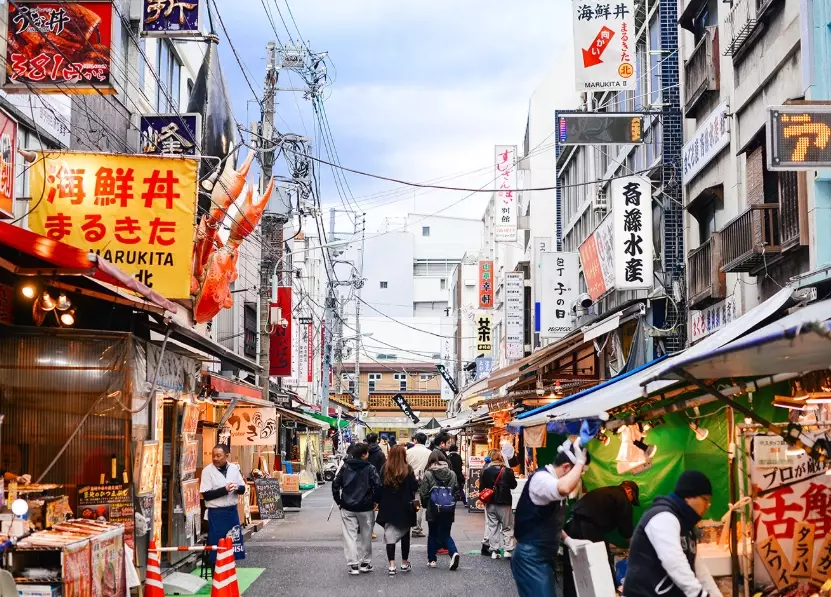
What to Eat and Buy at Tsukiji
Skip the generic plastic samurai swords. Focus on consumable, high-quality goods.
- Street Food Must-Trys: Freshly grilled scallops on the shell (hotate), tamagoyaki (sweet rolled omelette) from vendors specializing in it, and a bowl of donburi (rice bowl) topped with the day's freshest catch at a tiny counter restaurant.
- Kitchen Souvenirs: High-carbon steel Japanese kitchen knives (many shops offer engraving), beautiful ceramic bowls and chopsticks, and premium dried seaweed (nori) or bonito flakes (katsuobushi) for home cooking.
- A Common Mistake: Buying pre-packaged sushi platters from a refrigerated case to "save for later." The quality plummets. Sushi here is meant to be eaten immediately, standing up at a counter, with the fish barely off the ice.
Ameyoko: The Essence of Tokyo's "Shitamachi"
If Tsukiji feels like a dedicated food precinct, Ameyoko (short for "Ameya Yokocho") is a chaotic, glorious free-for-all. Stretching along the tracks between Ueno and Okachimachi stations, this market was born in the post-war black market era. That rough-and-tumble, bargain-hunting spirit is still palpable.
The vibe is completely different. Music blares, vendors hawk everything from fresh tuna to Nikes, and the energy is infectious. It's less about serene food appreciation and more about the thrill of the hunt. You'll see salarymen picking up cheap crab legs for a party, students shopping for casual clothes, and grandmothers bargaining for a better price on dried fish.
| What You'll Find | Price Range (Approx.) | Best For |
|---|---|---|
| Fresh & Dried Seafood | ¥500 - ¥5,000 | Bargain hunters, curious eaters |
| Spices, Nuts, Bulk Candy | ¥100 - ¥2,000 | Unique food gifts, stocking up |
| Casual Fashion & Sneakers | ¥1,000 - ¥10,000 | Affordable streetwear |
| Kobe Beef & Premium Fruit Stalls | ¥2,000 - ¥20,000+ | Splurging on luxury ingredients |
My personal ritual here is to grab a beer from a convenience store, walk the length of the market sipping it (perfectly acceptable here), and pick up snacks from different stalls—fried squid, mochi, fresh fruit—for an improvised feast in Ueno Park.
Where Tokyoites Shop: Local & Speciality Markets
This is where you go beyond the guidebooks. Neighborhood shotengai are the backbone of local life. Then there are the periodic, event-style markets that pop up like treasure hunts.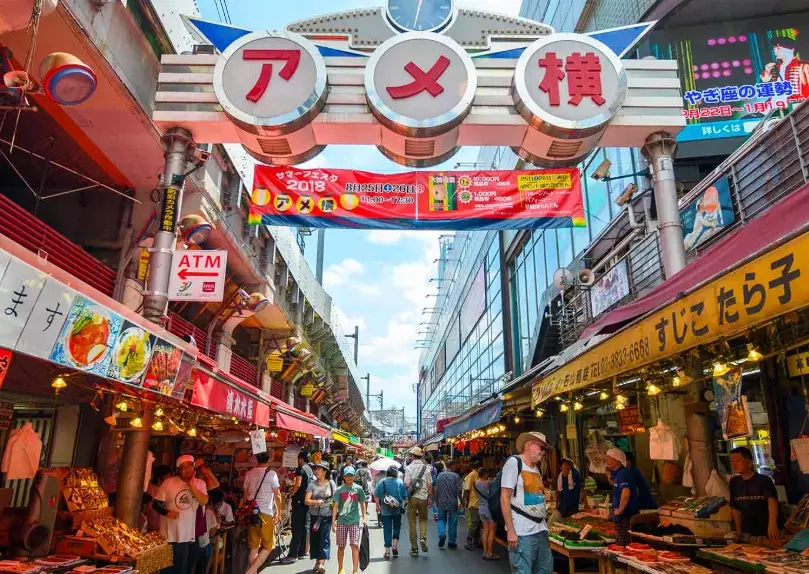
Kappabashi Dougu Street ("Kitchen Town")
Not a food market, but a market for everything that goes in, on, and around food. This street in Asakusa is a pilgrimage site for chefs and foodies. You'll find every imaginable kitchen tool, from $1 vegetable peelers to $300 hand-forged knives, and the famous plastic food samples. It's a functional, fascinating look at the tools of Japan's food culture. Address: Kappabashi, Taito City. Nearest station: Tawaramachi (Ginza Line).
Farmers' Markets & Antique Fairs
These are periodic and worth planning for. The UNU Farmers Market in Aoyama (weekends) features organic produce and artisanal goods from across Japan in a trendy setting. For something different, the Oedo Antique Market at the Tokyo International Forum (1st & 3rd Sundays) is a sprawling flea market where you can find vintage kimono, ceramics, and postcards. It feels like a community event.
A Non-Consensus Tip: Everyone raves about depachika (like the ones in Mitsukoshi, Isetan, or Takashimaya). They're stunning, yes. But they can be overwhelming and expensive for casual browsing. Instead, try the food floor of a major department store's annex building (like Seibu's 'Seed' in Ikebukuro or Odakyu's 'HALC' in Shinjuku). They often have similar, slightly more affordable and curated selections with fewer tourists.
A One-Day Tokyo Market Itinerary You Can Actually Do
Trying to hit Tsukiji, Ameyoko, and a local market in one day is a recipe for exhaustion. Here's a realistic, enjoyable plan that mixes iconic and local flavors.
Morning (8:00 AM - 11:30 AM): Tsukiji Outer Market. Arrive hungry. Have a savory breakfast hopping between stalls: a tamagoyaki stick, a grilled seafood skewer, maybe a small bowl of chirashi don. Do your souvenir shopping (knives, ceramics) while the shops are fresh and fully stocked.
Midday (12:00 PM - 3:00 PM): Kappabashi & Asakusa. Take the subway to Tawaramachi. Wander Kappabashi for an hour. Then, walk to Sensoji Temple. The Nakamise-dori leading to the temple is itself a historic market street—sample senbei (rice crackers) and ningyoyaki (small cakes). It's touristy, but it's the original template.
Late Afternoon to Evening (4:00 PM onwards): Ameyoko. Subway to Ueno. Dive into Ameyoko as the late afternoon sun hits and the salarymen start their shopping. This is the perfect time for that "walking beer" and snack dinner. Grab a bento, some fresh fruit, and maybe some dried snacks for the trip home. The energy here is best as day turns to night.
It's a full day, but it shows you three distinct market personalities: culinary, artisanal, and chaotic-commercial.

Share Your Thoughts