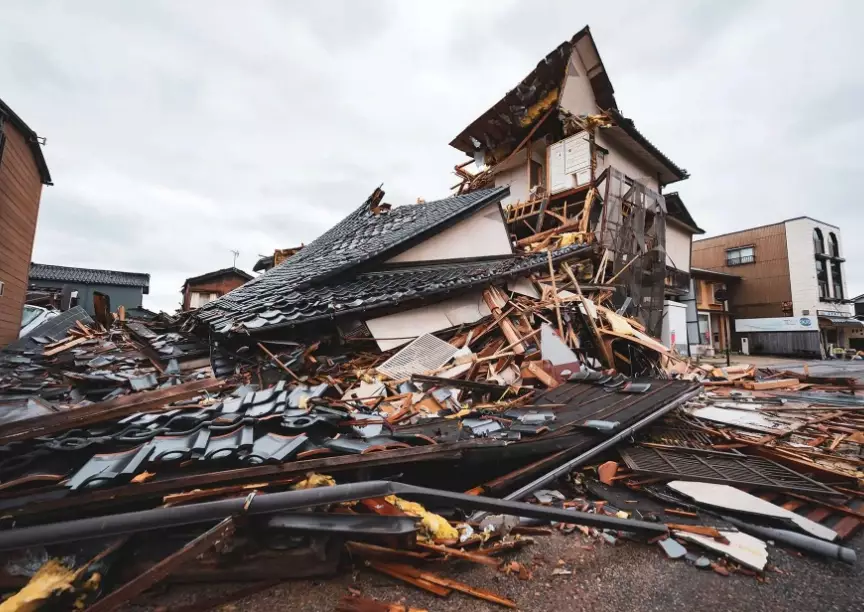
Let's cut to the chase. If you're asking "Is Japan safe from natural disasters?", the short, blunt answer is no. Japan is one of the most disaster-prone countries on the planet. It sits on the Pacific Ring of Fire, where several tectonic plates meet. This geological reality means earthquakes are a constant threat. Typhoons regularly batter the archipelago. Tsunamis, volcanic eruptions, and heavy snowfall in certain regions are all part of the annual calendar.
But here's the twist that most simple answers miss. The more relevant question for a traveler or potential resident isn't about absolute safety—it's about relative risk management. Japan isn't safe from disasters; it's arguably the world's safest country during and after them. The fatality rates from events like major earthquakes are astonishingly low compared to other seismically active regions. This isn't luck. It's the result of a national culture, infrastructure, and public education system built around coexisting with nature's fury.
I've lived through a few sizable quakes here. The first one scared me witless. But watching my Japanese neighbors calmly turn off the gas and get under a table without panic taught me more than any guidebook. This article won't sugarcoat the risks. Instead, it will give you the realistic picture, the systems in place, and the actionable knowledge you need to feel prepared, not just scared.
What's in this guide?
Why Japan is a Natural Disaster Hotspot
Geography is destiny. Japan's location is both its blessing and its curse. The same oceanic currents that bring abundant seafood and moderate climates also channel powerful storms. The tectonic activity that creates its beautiful hot springs and mountainous landscapes also builds up immense seismic pressure. Understanding this is key to respecting the environment here.
The Big Three risks are earthquakes, tsunamis, and typhoons. But the list doesn't end there. Active volcanoes like Mt. Fuji (though dormant) are monitored 24/7. In winter, regions like Hokkaido and the Japan Sea coast face paralyzing snowstorms and avalanches. In summer, the same torrential rains that feed rice paddies can trigger devastating landslides and flash floods, known as guerrilla rain (ゲリラ豪雨).
A common misconception is that disaster risk is uniform across Japan. It's not. The Pacific coast (Tokyo, Osaka, Sendai) faces higher tsunami risk. The southern islands (Okinawa, Kyushu) bear the brunt of typhoons. The central mountain regions are more prone to landslides. Your personal risk profile changes depending on where you are.
Navigating Specific Threats: Earthquakes, Typhoons & More
Knowing what you're up against is half the battle. Here’s a breakdown of the main events and what they realistically mean for you.
Earthquakes: The Ever-Present Rumble
You will likely feel an earthquake if you stay in Japan for more than a few months. Most are minor, a brief, surreal wobble. The critical thing is knowing the difference between a shake and the shake.
Japan operates the world's most advanced earthquake early warning system. Alerts blast across TVs, radios, and millions of smartphones seconds before the strongest tremors hit. Those seconds are for you to: DROP, COVER, and HOLD ON. Get under a sturdy table, protect your head, and hold the table leg so it doesn't slide away. Do not run outside. The biggest danger is falling objects and shattered glass.
Pro Tip: Enable emergency alerts on your phone. The sound is jarring—a loud, siren-like chime followed by a robotic voice (in Japanese). Don't ignore it. Even if you don't understand the words, the alarm itself means "brace for shaking now."
Tsunamis: The Ocean's Follow-Up Punch
A tsunami is almost always triggered by a large, shallow offshore earthquake. If you are near the coast and feel a long, strong quake that makes it hard to stand, do not wait for an official warning. Move immediately to higher ground or a designated tsunami evacuation building. The official warnings are color-coded and broadcast relentlessly.
Tsunami Warning Levels:
- Major Tsunami Warning (大津波警報): Dark red color. Predicts waves over 3 meters. Expect severe, widespread flooding. Evacuate immediately.
- Tsunami Warning (津波警報): Red color. Waves expected up to 3 meters. Evacuate immediately.
- Tsunami Advisory (津波注意報): Yellow color. Strong currents expected. Get out of the water and away from the shore.
Blue tsunami evacuation route signs are everywhere in coastal towns. Look for them during your first walk in a new area.
Typhoons: The Seasonal Scheduled Event
Typhoon season runs from roughly July to October, peaking in August and September. Think of them as Pacific hurricanes. The forecast track is incredibly accurate days in advance. Life doesn't fully stop for a typhoon, but it slows down significantly.
Flights and trains, especially shinkansen (bullet trains), are often canceled. The main dangers are flying debris, flooding in low-lying areas, and landslides. The advice is simple: stay indoors during the peak winds and rain. Stock up on water and food for a day. Charge your devices. Don't attempt to go sightseeing near rivers or the sea. It's a good day to binge-watch Netflix in your hotel.
| Disaster Type | Key Risk Period | Immediate Action for Visitors | Common Misstep to Avoid |
|---|---|---|---|
| Earthquake | Anytime, year-round | DROP, COVER, HOLD ON. Stay indoors. | Running outside during shaking (risk of falling tiles/glass). |
| Tsunami | After a strong coastal quake | Move to high ground immediately. Don't wait. | Going to the shore to "see the wave." This is fatal. |
| Typhoon | July - October | Stay indoors. Cancel travel plans for the day. | Underestimating flood risks and walking through moving water. |
| Heavy Snow | Dec - Feb (certain regions) | Check transport. Use proper footwear. | Driving without winter tires or chains. |
Japan's Multi-Layered Defense System: From Tech to Culture
This is where Japan transforms from a high-risk zone to a global leader in resilience. The safety net is woven into the fabric of society.
1. Engineering & Infrastructure: Building codes are brutally strict. Skyscrapers are built with massive shock absorbers and pendulums that sway to counteract quakes. Seawalls and floodgates protect coastal communities. Constant drills ensure infrastructure like gas lines shut off automatically to prevent fires.
2. Public Education & Drills: Disaster education starts in kindergarten. Every September 1st (Disaster Prevention Day), marking the Great Kanto Earthquake, nationwide drills are held. Companies, schools, and neighborhoods participate. As a result, the public response is often calm and procedural, which saves lives.
3. Early Warning Technology: Beyond earthquake alerts, Japan has dense networks of seismometers, ocean floor sensors for tsunamis, and Doppler radar for storms. Data from the Japan Meteorological Agency is ubiquitous.
4. Community & Designated Help: Your local ward office (kuyakusho) has multi-language disaster guides. Many convenience stores and public facilities double as stockpiles for emergency water and food. Designated evacuation centers (schools, community halls) are marked on most area maps.
The Gap: The system isn't perfect. In a catastrophic event, evacuation centers can be overcrowded and uncomfortable. Information in English, while improving, can lag or be sparse at the local level immediately after a major event. This is why personal preparedness is non-negotiable.
Your Personal Safety Plan: A Non-Negotiable Checklist
Relying solely on the system is a mistake. Here’s what you, as an individual, must do.
For Short-Term Travelers:
- Know Your Hotel's Evacuation Route: Check the map on the back of your door. Seriously.
- Pack a Mini "Go-Bag": Keep a small pouch with a phone charger (battery pack), a bottle of water, some cash (ATMs may fail), and a copy of your passport. Keep it near your bed at night.
- Register with Your Embassy's Smart Traveler Program: They can contact you in an emergency.
- Download Essential Apps: The official Safety Tips app from Japan Tourism Agency (JNTO) provides push alerts in English. Also consider Yurekuru Call for earthquake warnings.
For Long-Term Residents & Expats:
- Build a Full Emergency Kit: At least 3 days of water (3 liters/person/day), non-perishable food, a first-aid kit, radio, flashlight, work gloves, and warm clothes. Store it where you can grab it.
- Secure Your Furniture: Use L-brackets and straps to secure bookshelves, TVs, and heavy furniture to wall studs. This is the #1 way to prevent injury at home.
- Plan Family Meeting Points: One near home, one outside the neighborhood if local routes are blocked.
- Learn Basic Japanese Disaster Vocabulary: Words like Jishin (地震 - earthquake), Tsunami (津波), Hinan (避難 - evacuate), Hinanjo (避難所 - shelter).
Share Your Thoughts