In This Guide
So you're thinking about packing your laptop and heading to Japan for a workation? You're not alone. The idea of working from a cozy cafe in Tokyo, a tranquil ryokan in Kyoto, or with a view of Mount Fuji has become a major goal for remote workers worldwide. But here's the thing that trips most people up: the visa. Japan's immigration rules have been, let's be honest, pretty rigid for a long time. The classic tourist visa doesn't allow work, and the standard work visa requires a Japanese employer to sponsor you. That left digital nomads in a tricky spot.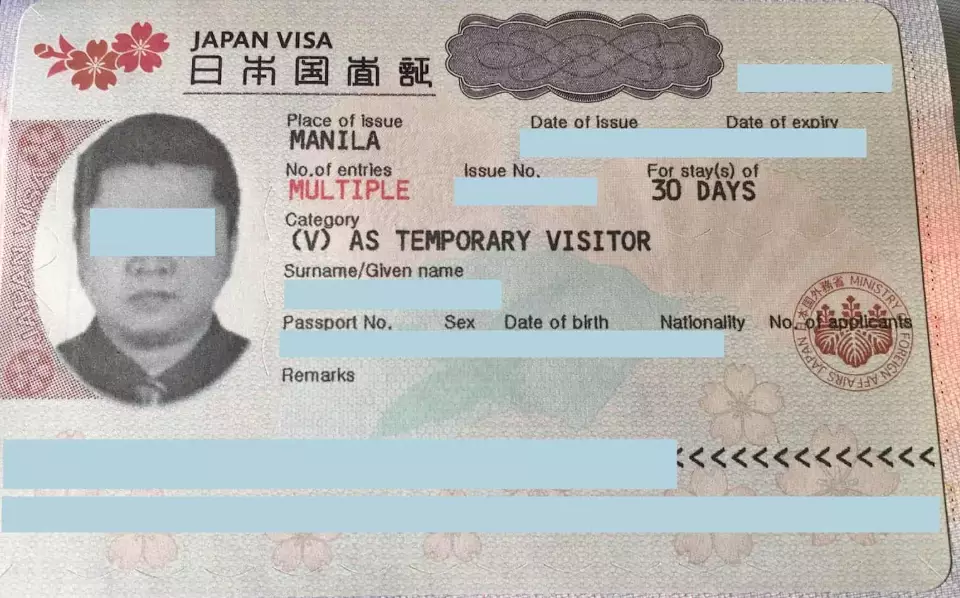
But things are changing. Japan has finally acknowledged the global remote work trend. While there isn't a visa officially called a "Japan workation visa," there are now clear, official pathways that function exactly like one. The most significant development is the launch of a specific digital nomad visa in early 2024. This is a game-changer.
I remember chatting with a friend who tried to do the "visa run" thing years ago, hopping between Japan and Korea every 90 days. It was stressful, expensive, and frankly, not sustainable. The new options are a breath of fresh air, but they come with their own set of rules. This guide is here to cut through the confusion. We'll break down every option, from the new digital nomad visa to the trusty Working Holiday, and give you the real, practical info you need to make it happen.
What Is a Japan Workation Visa, Really?
Let's clear this up first. When people search for a "Japan workation visa," they're usually looking for permission to live in Japan temporarily while continuing to work for their employer or clients back home (or anywhere outside Japan). It's not about finding a job in Japan; it's about bringing your existing job with you.
For years, the only semi-legal way to do this was on a tourist visa waiver, which explicitly prohibits any work for compensation. Some people did it quietly, but it was a gray area with real risk. Now, Japan offers legitimate channels. The core concept of a workation visa for Japan is now embodied in two main official programs: the new Digital Nomad Visa and the existing Working Holiday Visa (for eligible countries). These are your tickets to a legal, stress-free Japanese workation.
Your Options: Breaking Down the Different Visas
Not all visas are created equal. The best one for you depends entirely on your nationality, age, income, and how long you want to stay. Here’s a straightforward comparison to show you the lay of the land.
| Visa Type | Who It's For | Max Stay | Key Requirement | Can You Work for a Japanese Company? |
|---|---|---|---|---|
| Designated Activities (Digital Nomad) | Remote workers & freelancers with high income | 6 months | Annual income ≥ ¥10 million (~$68,000 USD) | No |
| Working Holiday Visa | Young adults (18-30/35) from partner countries | 1 year (typically) | Citizen of a participating country, primary purpose is holiday | Yes, part-time/temporary to supplement funds |
| Tourist Visa / Visa Waiver | Short-term visitors for tourism only | 15, 30, or 90 days | Proof of tourism intent, sufficient funds | Absolutely Not |
| Business Manager / Investor Visa | Entrepreneurs starting a business in Japan | 1-5 years (renewable) | Substantial investment (¥5M+), detailed business plan | Yes, for your own company |
See the difference? The digital nomad visa and the working holiday visa are the two that genuinely fit the Japan workation dream. The tourist route is risky for work, and the business visa is a whole other level of commitment.
The Japan Digital Nomad Visa: The New Kid on the Block
Launched in March 2024, this is Japan's direct answer to the global remote work movement. Officially, it's a status of residence under "Designated Activities." It's perfect if you're established in your career and want a solid six months to experience Japan.
The good stuff first: You get six whole months to live and work remotely. You can bring your spouse and children (they get a Dependent visa). And you're doing it all completely above board.
Now, the hurdles. They're not small.
- Income Requirement: This is the big one. You or your household must have an annual income of at least ¥10 million Japanese Yen (roughly $68,000 USD as of 2024). This is non-negotiable. You'll need tax documents, bank statements, or contracts to prove it.
- Nationality: You must be from a country/region that Japan has a tax treaty with and that also offers a reciprocal visa waiver for Japanese citizens. This covers most major countries like the US, Canada, UK, Australia, EU nations, South Korea, Singapore, and Taiwan. Always double-check the official list on the Ministry of Foreign Affairs of Japan (MOFA) website.
- Health Insurance: You must have private health insurance that covers your entire stay in Japan. National health insurance from your home country often doesn't suffice. You'll likely need to purchase a comprehensive international plan.
- Work Contract: You need to prove you work for a company registered outside Japan OR that you have clients outside Japan if you're a freelancer.
The Working Holiday Visa: For the Younger Crowd
This has been the classic backdoor into a long-term workation in Japan for decades, but only if your country is on the list. Countries like Australia, New Zealand, Canada, the UK, France, Germany, South Korea, and others have bilateral agreements. The MOFA Working Holiday page is the bible for this.
The vibe is different from the digital nomad visa. The primary purpose is supposed to be a "holiday," with work allowed to supplement your travel funds. In practice, many use it for a full-year workation.
Pros? It's often easier to get than the digital nomad visa if you qualify. No sky-high income requirement—you just need to show sufficient savings for your initial airfare and living costs (usually a few thousand dollars). You get a full year. And crucially, you are allowed to take part-time or temporary jobs in Japan. Want to work in a ski resort in Hokkaido for a season or teach a few English lessons? This visa lets you.
The cons are about eligibility. There's an age limit (usually 18-30, extended to 35 for some countries like Canada). It's usually a one-time, per-country, per-lifetime chance. And quotas can apply, meaning they might run out for the year.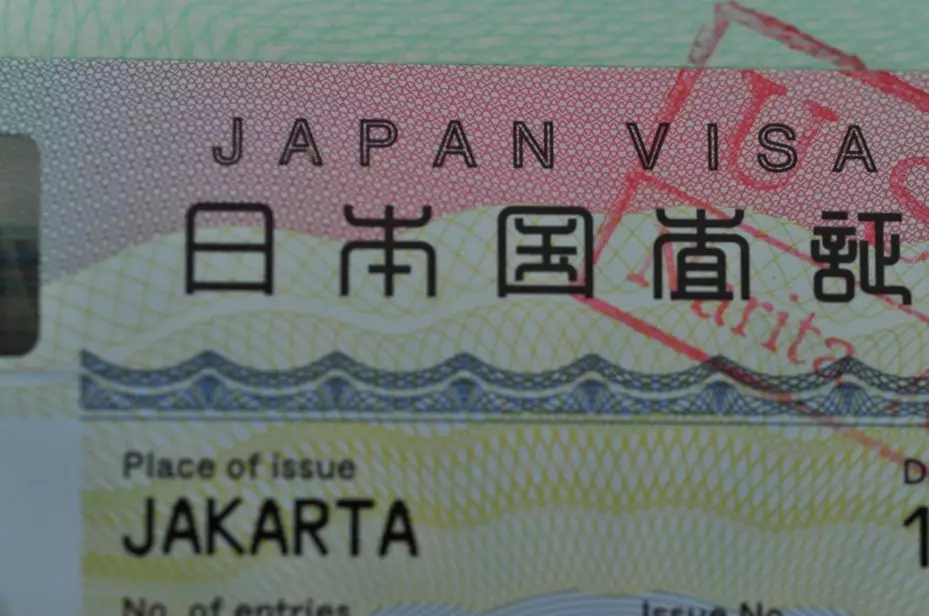
The Step-by-Step Application Process: From Paperwork to Landing
Okay, you've picked your path. Now, how do you actually get the visa? Let's walk through it. The process for the digital nomad visa is a bit more involved, so we'll focus on that, noting where the Working Holiday differs.
Step 1: Gather Your Documents (The Mountain of Paper)
This is the most tedious part. For the digital nomad visa, you'll typically need:
- Visa Application Form: Downloaded from your local Japanese embassy/consulate website.
- Passport & Photos: Your passport must be valid. Standard passport-sized photos.
- Proof of Remote Work/Income: This is critical.
- For employees: A letter from your employer stating your position, that you work remotely, your annual salary (must meet the threshold), and that you are allowed to work from Japan.
- For freelancers/entrepreneurs: Contracts with clients, tax returns, bank statements showing regular income deposits. This can be trickier to prove conclusively.
- Proof of Health Insurance: A policy document clearly showing worldwide coverage for the entire duration of your stay.
- Outline of Activities in Japan: A simple letter explaining your plans. You don't need a day-by-day itinerary, but a general idea (e.g., "I plan to live in Tokyo and Osaka, explore cultural sites, and continue my remote software development work").
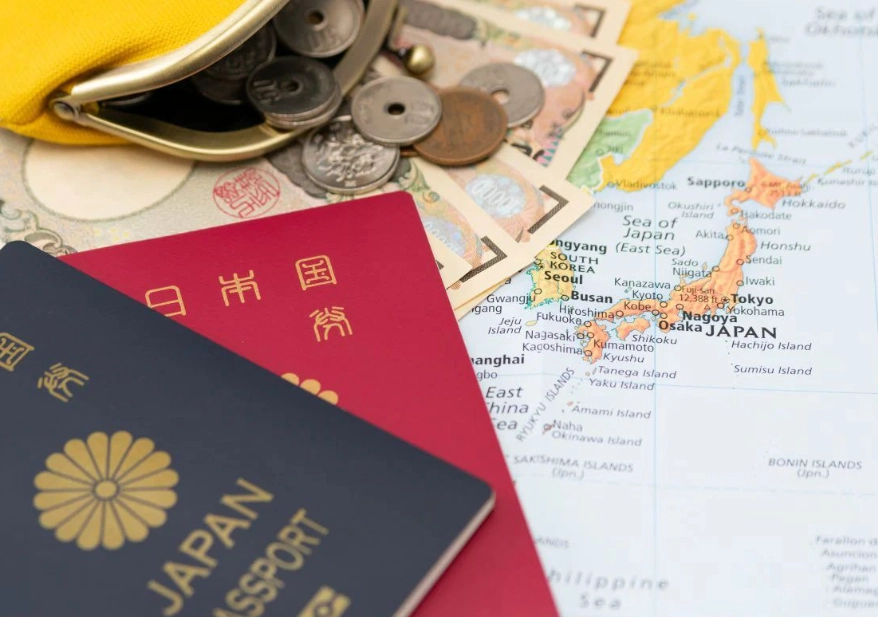
For the Working Holiday Visa, the documents are more about proof of funds (bank statements), a return flight itinerary or proof of funds to purchase one, and a simple plan of your holiday. The Japan National Tourism Organization (JNTO) site has good general guidance, but always defer to your specific embassy's list.
Step 2: Submit at the Japanese Embassy/Consulate
You cannot apply for these visas from within Japan. You must apply from your country of residence. Find your nearest Japanese diplomatic mission, check their specific submission instructions (appointment? walk-in?), and hand in your packet.
Then, you wait.
Processing times vary. For a digital nomad visa, expect several weeks. For a Working Holiday, it can be quicker, but if there's a quota, apply as soon as the application period opens.
Step 3: Receive Visa & Prepare for Arrival
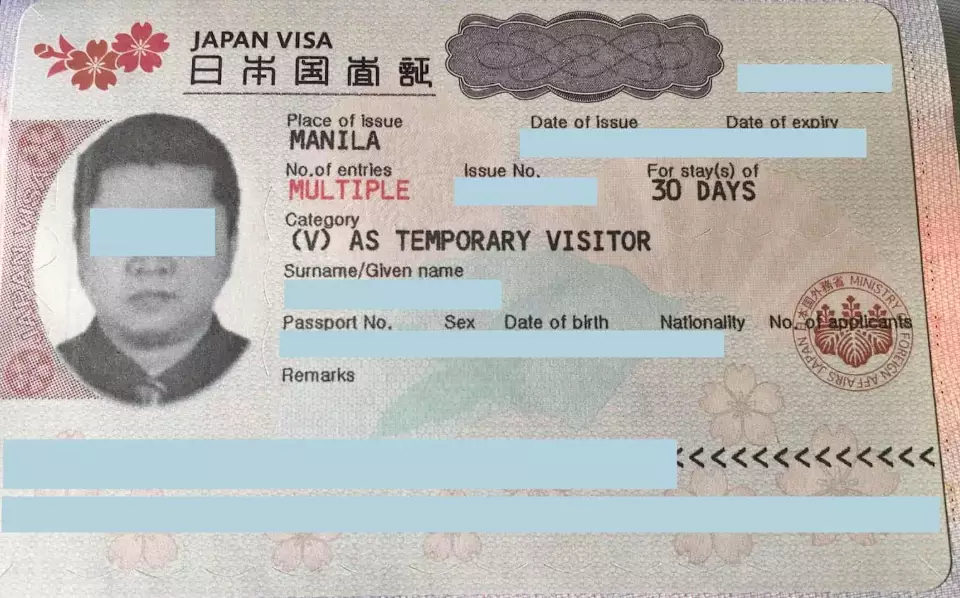
Once approved, you'll get a visa sticker in your passport. For the digital nomad visa, this sticker allows you to enter Japan. Upon arrival at immigration (at Narita, Haneda, Kansai, etc.), you'll receive your "Residence Card" (在留カード, Zairyu Card). This card is your most important document in Japan—it's your ID, and you must carry it with you always.
You'll also need to register your address at the local municipal office (区役所 or 市役所) within 14 days of moving into your accommodation. This is mandatory.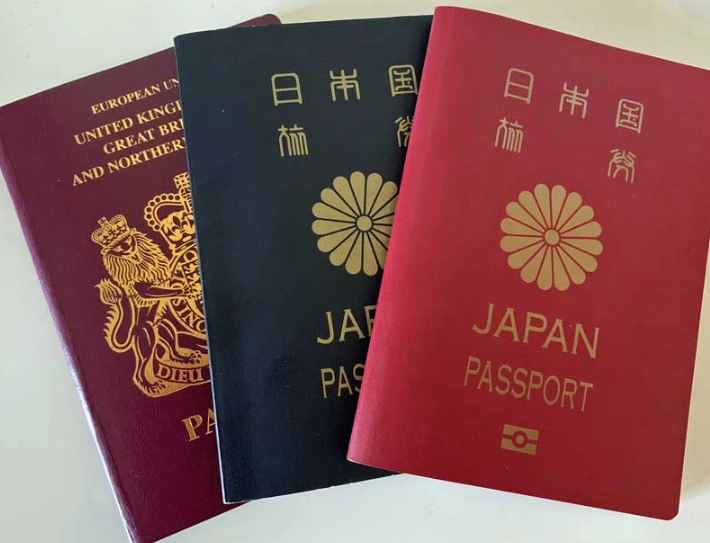
Life in Japan: Practical Realities of Your Workation
Getting the visa is only half the battle. Setting up your life is the other half. Japan is incredibly convenient but has its own unique systems.
Finding a Place to Live
This can be the biggest challenge. Most standard rental leases are for 2 years, require a Japanese guarantor, and have huge upfront fees (key money, deposit, agency fee). For a 6-month or 1-year workation visa stay, you want to look at:
- Monthly Mansions/Apartments: Furnished apartments aimed at foreign businesspeople. They're expensive but hassle-free. Examples include Oakhouse, Social Apartment, or Leopalace21 (some offer short-term).
- Share Houses: A fantastic way to meet people. Companies like Sakura House or Borderless House offer flexible contracts.
- Guest Houses & Airbnb: Can work for short periods, but be wary of legality and neighborhood rules (some areas restrict short-term rentals).
Money, Banking, and Taxes
Opening a full Japanese bank account can be very difficult on a temporary visa. Many banks refuse. Your best bets are:
- Japan Post Bank (Yuucho): Often the most flexible for foreigners on temporary visas.
- Digital Banks/FinTech: Consider using Wise or Revolut for multi-currency accounts and debit cards. You can use these to withdraw cash from Japanese ATMs (7-Bank and Japan Post ATMs are most foreign-card-friendly).
- Taxes: This is complex. Generally, if you stay in Japan for less than one year and your income is sourced entirely from outside Japan, you may not become a tax resident. However, the rules are nuanced. The National Tax Agency (NTA) website has information, but consulting with a tax professional familiar with international tax law is highly, highly recommended. Don't guess on this.
Staying Connected: Internet & SIM Cards
Japan has phenomenal internet. For your home, most short-term rentals will include wifi. If not, purchasing a pocket wifi router is easy (companies like Sakura Mobile or Ninja WiFi). For your phone, avoid tourist SIMs with low data caps. Get a proper monthly data SIM or eSIM from providers like Mobal, IIJmio, or Sakura Mobile. They cater to foreigners and offer registration help.
Common Questions & Concerns (FAQ)
Let's tackle the stuff that keeps people up at night.
Making the Decision: Is a Japan Workation Right for You?
Let's be real. Japan is an amazing place for a workation, but it's not the easiest. The language barrier is significant outside major cities. The cost of living, especially in Tokyo, is high. The bureaucracy, while efficient, is rigid.
But if you're prepared—if you have the financial means (especially for the digital nomad route), a spirit of adventure, and patience for learning new systems—it can be an unforgettable experience. The blend of cutting-edge technology, deep-rooted tradition, food, safety, and convenience is hard to beat.
My final piece of advice? Do your homework, get your documents in impeccable order, and manage your expectations. Don't expect it to be like a workation in Bali or Portugal. Japan is uniquely Japan. That's its challenge, and that's its magic.
Whether you choose the high-earner path of the digital nomad visa or the youthful adventure of the Working Holiday, securing that legitimate Japan workation visa is the key to unlocking a truly immersive, legal, and peaceful remote work chapter in one of the world's most fascinating countries. Start with the official sources, build your application carefully, and get ready for an incredible journey.




Share Your Thoughts