You've seen the pictures. Kyoto's Kiyomizu-dera, a sea of people under a canopy of red. Nikko's Shinkyo bridge, framed perfectly by tour buses. Don't get me wrong, they're beautiful. But Japan's autumn soul isn't found in those crowded frames. It's in the mist clinging to a remote mountain valley, the sound of leaves crunching underfoot on a path you have to yourself, and the warm light of a ryokan window in a town forgotten by time.
That's the Japan I want to show you. Forget ticking boxes. This is about immersion.
Your Autumn Adventure Map
The Northern Escape: Aomori's Wild Streams & Sacred Peaks
Most people fly into Aomori for the apples or to sprint through Hirosaki Castle. They're missing the region's raw, spiritual heart.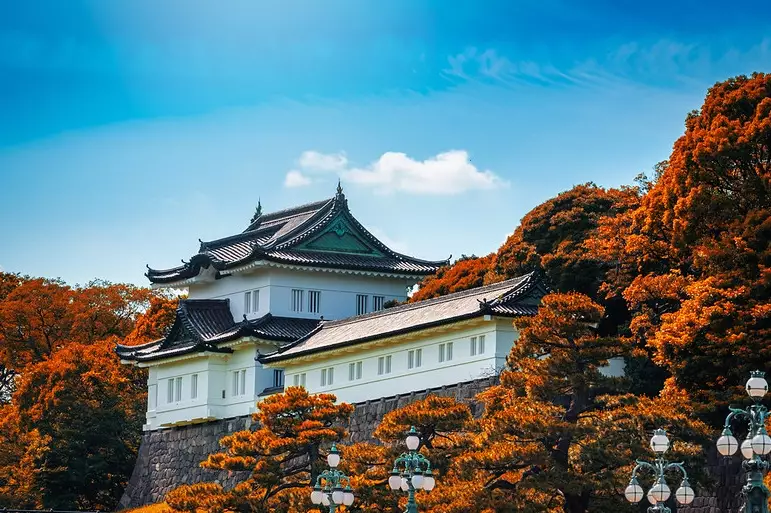
Oirase Stream: The Walk Everyone Gets Wrong
The Oirase Gorge is famous, yes. But 90% of visitors see it from a tour bus window on a rushed trip to Lake Towada. The secret? You walk it. The entire 14-kilometer path from Nenokuchi to Ishigedo is a living painting. In autumn, the moss-covered rocks contrast with fiery maples, and the water is so clear it hurts.
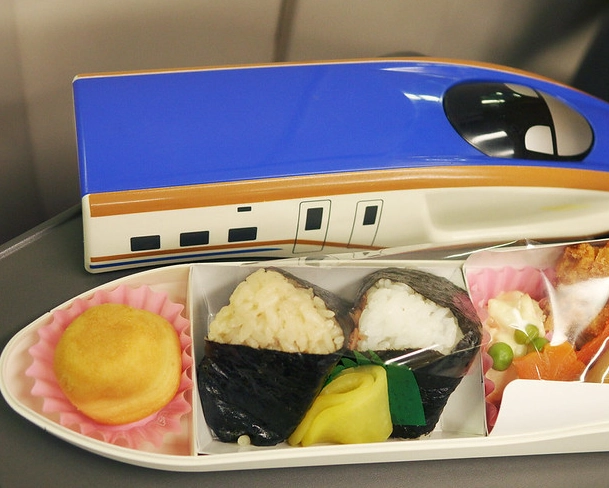
Here's the non-consensus tip: Start at the Lake Towada (Nenokuchi) end in the early afternoon. The tour buses do the opposite, starting from Ishigedo in the morning. By going against the flow, you'll have long stretches of path completely to yourself as the light turns golden. Pack a bento from Aomori station and eat by Choshi Otaki waterfall.
| Info | Details |
|---|---|
| Access | JR Bus from Aomori Station or Shin-Aomori Station to 'Nenokuchi' or 'Ishigedo'. Get the 1-day Oirase Gorge Line pass. |
| Walk Time | 4-5 hours one-way at a leisurely pace with photos. |
| Best Time (Autumn) | Mid to late October. Check the Japan Guide foliage forecast for precise timing. |
| Cost | Bus pass: ~¥2,600. Entry to the stream path is free. |
Mount Hakkoda: Above the Clouds
Take the ropeway up Mount Hakkoda and you leave the world behind. Up here, autumn comes early. The vast marshland turns a brilliant gold and crimson, a phenomenon called yama-momiji (mountain maple). It's silent except for the wind. The view? You can see all the way to the Sea of Japan on a clear day.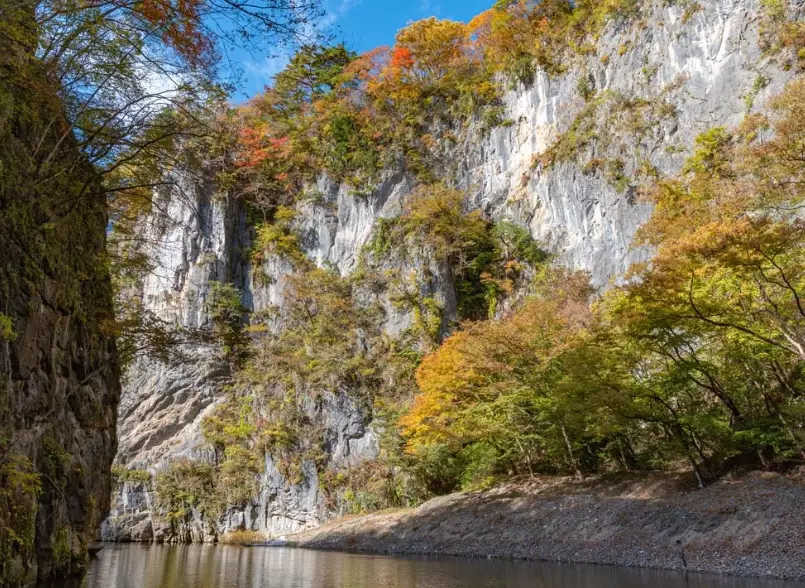
Most just do the ropeway and leave. Stay. Hike the gentle trail to Kenashitai Pond. It's an easy 40-minute loop, and the reflection of the colored mountains on the still water is something you won't find on Instagram—because few bother to walk there.
Where to Stay & Eat: Skip Aomori city for the night. Stay at a minshuku in the Sukayu Onsen area. You'll soak in one of Japan's most famous mixed-bathing rotemburo (outdoor baths) under the stars, surrounded by cold mountain air. Dinner is local river fish and mountain vegetables. It's not luxury; it's authenticity.
The Alpine Village: Hida-Furukawa's Timeless Charm
Everyone knows Takayama. Its old town is beautiful, but it knows it's beautiful. A 15-minute train ride away, Hida-Furukawa feels like Takayama's quieter, more introverted sibling. It's the setting for the anime Your Name, but that's not why you go. You go because life moves at the pace of the canals.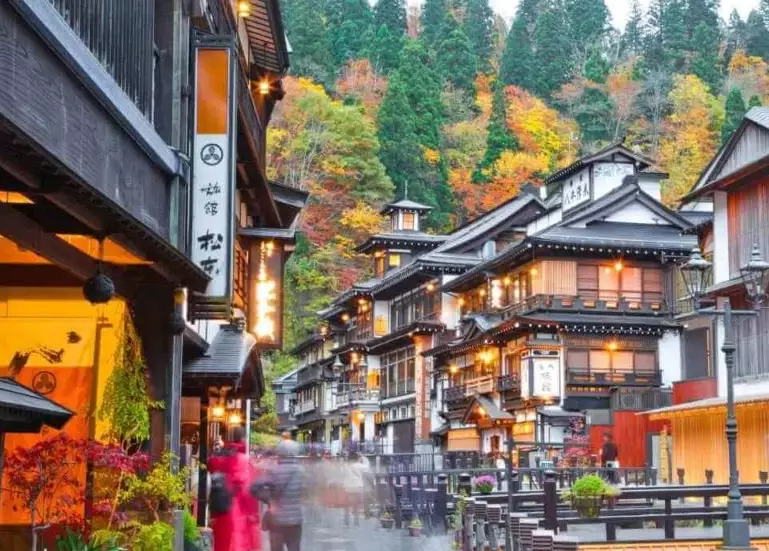
The Seto River canal area, with its willow trees and koi carp, is stunning in autumn. But walk two blocks in any direction. That's where you find the working town. Old sake breweries (like the 300-year-old Kansawagawa Sake Brewery—free tasting, no crowds), lacquerware studios where you can watch artisans work, and soba shops that have been using the same recipe for generations.
I made a mistake on my first visit. I followed the official map. On my second, I just wandered. I found a tiny shop selling gohei-mochi (skewered rice slathered in miso and walnut paste) from a grandmotherly figure for ¥150. It was the best thing I ate all trip.
The Festival No One Talks About (But Should)
If your timing is impeccable (early October), you might catch the tail end of the Furukawa Festival activities. It's a UNESCO intangible cultural heritage event, but unlike Takayama's, it doesn't feel staged for tourists. The atmosphere is genuinely local, focused on community.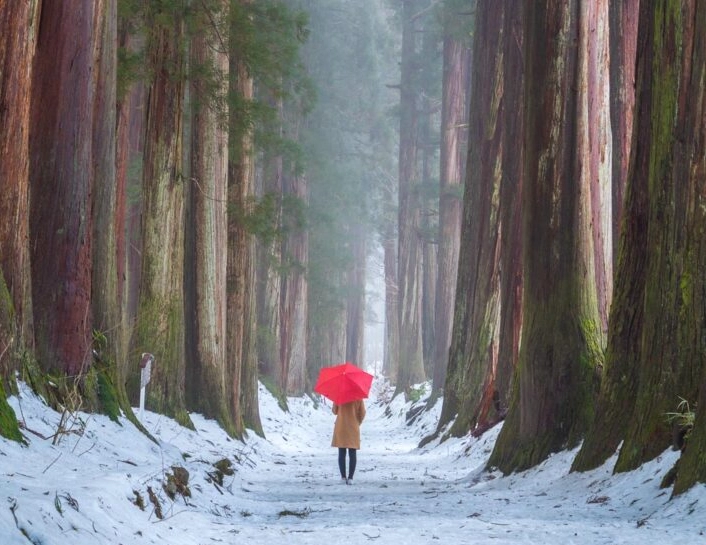
Tokyo's Secret Backyard: The Deep Valleys of Okutama
You're in Tokyo. The city is buzzing. But in under two hours on the JR Ome Line, you're in a different universe. Okutama is the wild, mountainous western part of Tokyo Metropolis. Yes, Tokyo.
The key here is to go beyond Lake Okutama. The lake itself is a weekend spot for families. Your goal is the valleys that feed it.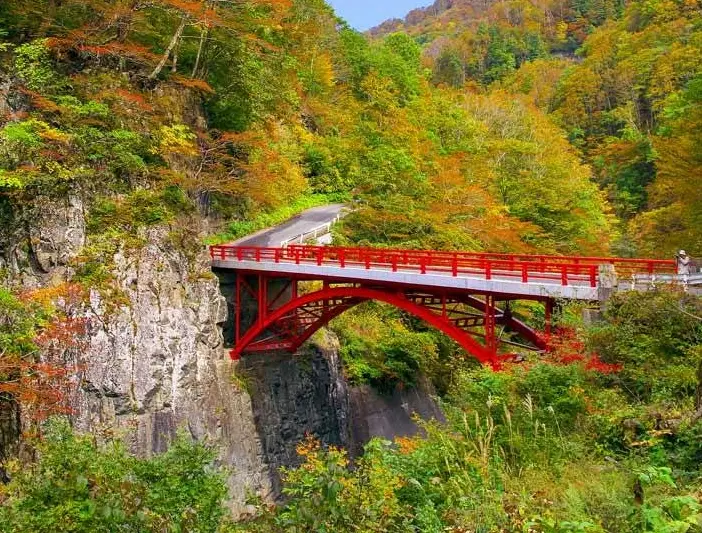
Nippara Limestone Caves & Surrounding Trails
The caves are cool (literally, 11°C year-round), but the real show is outside. The road to the caves winds through a narrow valley. In late November, the maple trees here ignite. There's a hiking trail that follows a creek, passing small shrines and waterfalls. You'll see more monkeys than people.
Getting here requires a bus from Okutama Station. The schedule is sparse. That's the point. The people on that bus are hikers and locals, not tour groups.
Afterwards, warm up at one of the rustic soba places near Okutama Station. They serve yamanomi (mountain berry) soda and wild vegetable tempula. It tastes like the forest.
This is the perfect antidote to urban fatigue. You can be back in Shinjuku for dinner, but you'll feel like you've had a week's retreat.
How to Plan Your Offbeat Autumn Trip: Practical Tips
Venturing off the main trails requires a slight shift in mindset. It's not harder, just different.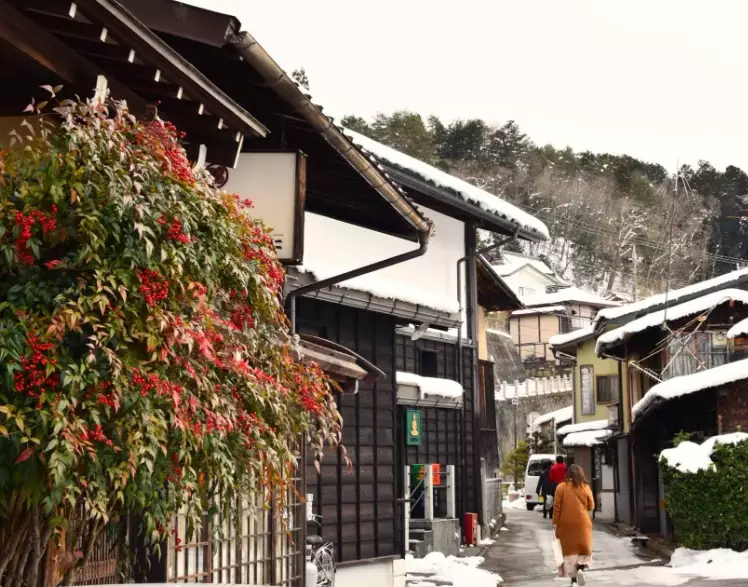
Transport is King. Rely on Google Maps for real-time bus/train info. For complex regional travel, Hyperdia is still a reliable resource for train schedules. Always check the last departure time back to your base. In rural areas, it might be as early as 6 PM.
Embrace the Minshuku. These family-run guesthouses are your gateway to local life. Dinner is often a spectacular, multi-course affair with local specialties. Don't expect hotel-style service; expect warmth and a genuine experience. Book direct via phone or their (often Japanese-only) website if you can, or use a platform like Japan Guest Houses.
Talk to People. Even with minimal Japanese, a smile and a phrasebook go a long way. The owner of the minshuku might drive you to a trailhead. The old man at the train station might point you to a hidden shrine. These interactions become the core memories of your trip.
The goal isn't to collect stamps on a passport. It's to find a moment of quiet awe under a golden ginkgo tree, with no one else around. That's the Japan off the beaten path in autumn.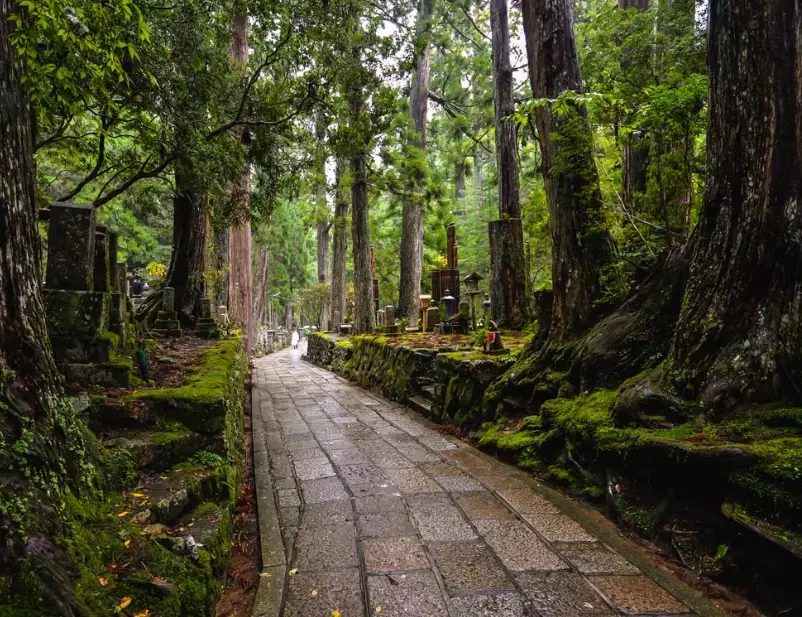


Share Your Thoughts