You ask about the famous street in Osaka for street food, and the answer echoes back with one word from every traveler, foodie, and local: Dotonbori. It's not just a street; it's a sensory overload in the best way possible. Think of a canal lined with giant, blinking mechanical crabs, neon-lit running men, and dragons, all competing for your attention while the air thickens with the smell of sizzling batter, grilled meat, and sweet sauces. This is where Osaka's unofficial motto, "kuidaore" (eat until you drop), was born and proudly practiced.
I've lost count of my visits over the years. I've been jostled by crowds, burned my tongue on molten-hot takoyaki more times than I care to admit, and discovered that the best bite isn't always under the biggest sign. This guide isn't just a list of what to eat. It's about how to experience Dotonbori like someone who knows where to find a moment of calm in the chaos and which alley holds the crispiest kushikatsu.
Your Quick Jump to Dotonbori Delights
What Exactly is Dotonbori?
First, let's clear a common mix-up. People say "Dotonbori" and mean two things: the Dotonbori canal itself, and the sprawling entertainment district around it, centered on Dotonbori Street. When you're hunting for street food, you're focusing on the main pedestrianized strip running parallel to the canal, from the iconic Glico Running Man sign eastward. This is ground zero.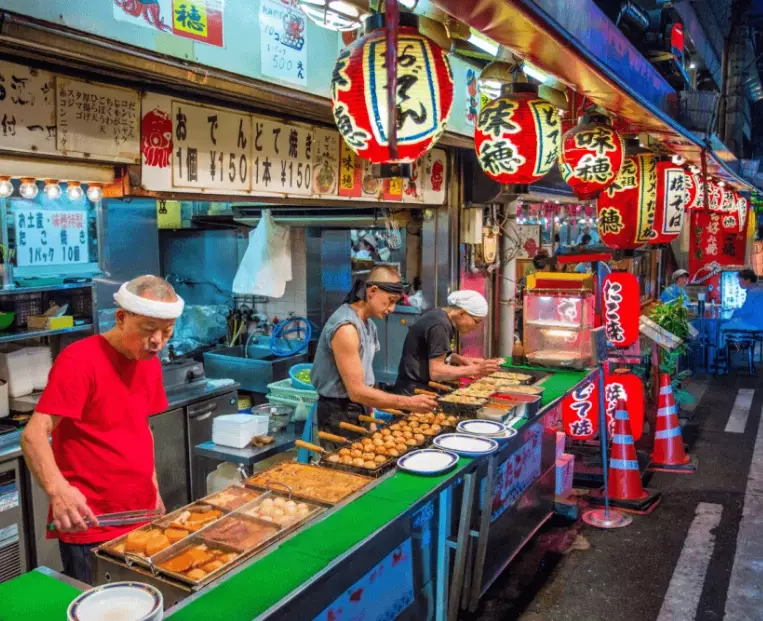
But here's the first pro tip most blogs miss: the immediate side streets, like Soemon-cho and the warren of alleys behind the main drag, are where you often find the more focused, less frenetic stalls and standing bars. The energy on the main street is unbeatable for a first-timer, but your second stop should always be a peek down these side lanes.
The Must-Eat Dotonbori Food Map
You could wander and eat blindly and have a great time. But knowing what to look for turns a good experience into a memorable one. Don't try to eat a full meal at one place. The strategy is to graze.
| Food | What It Is | Where to Look (Stall Examples) | Price Range (approx.) | Pro Tip |
|---|---|---|---|---|
| Takoyaki | Savory batter balls with a piece of octopus inside, topped with sauce, mayo, bonito flakes. | Kukuru (くくる) – Famous for rich, almost liquid center. Wanaka (わなか) – A long-standing favorite. Stalls are everywhere. | ¥500 - ¥800 for 8 pieces | Let them cool for 90 seconds. The center is lava. Ask for "karikari" if you prefer a crispier shell. |
| Okonomiyaki | Osaka's savory cabbage pancake, grilled with your choice of meat/seafood. | Chibo (千房) or Mizuno (美津の) – These are sit-down restaurants, not stalls, but are Dotonbori institutions. | ¥1,200 - ¥2,500 per pancake | Go to a restaurant for this. The experience of watching it grilled on a teppan in front of you is part of the fun. |
| Kushikatsu | Deep-fried skewers of meat, seafood, and vegetables. | Daruma (だるま) – The most famous chain, with several branches in the area. Look for the grumpy-faced logo. | ¥150 - ¥400 per skewer | CRUCIAL: Do NOT double-dip the shared dipping sauce. Take what you need on your first dip. It's a sacred rule. |
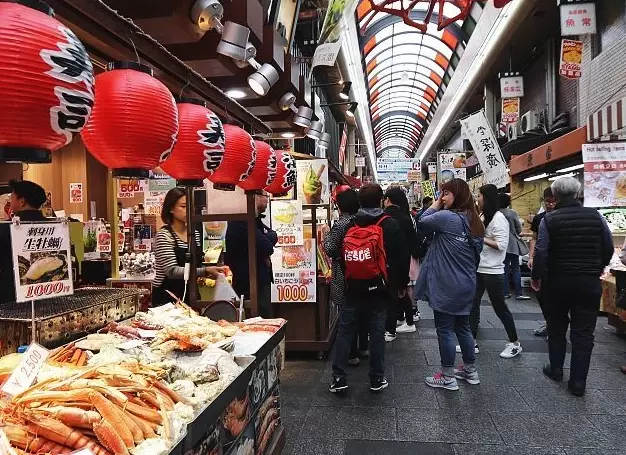
| Grilled Crab Legs | Often seen at stalls with giant crab signs (like Kani Doraku). | Stalls under the giant moving crab models. | ¥800 - ¥1,500 per leg | More of a novelty. They're fine, but the flavor can be underwhelming for the price. Prioritize other items. |
| Melon Pan with Ice Cream | Sweet, crispy "melon"-shaped bread filled with soft-serve. | World's Second Best Melon Pan (yes, that's the name) – Usually has a queue near the Glico sign. | ¥400 - ¥600 | A perfect sweet finish. Get it fresh and eat it immediately before it melts. |
Beyond the table, keep your eyes peeled for butaman (steamed pork buns), ikayaki (grilled squid on a stick), and crepes from the numerous dessert stalls. A recent trend I've enjoyed is cheese tarts from specialty shops—great for a less messy walk-and-eat option.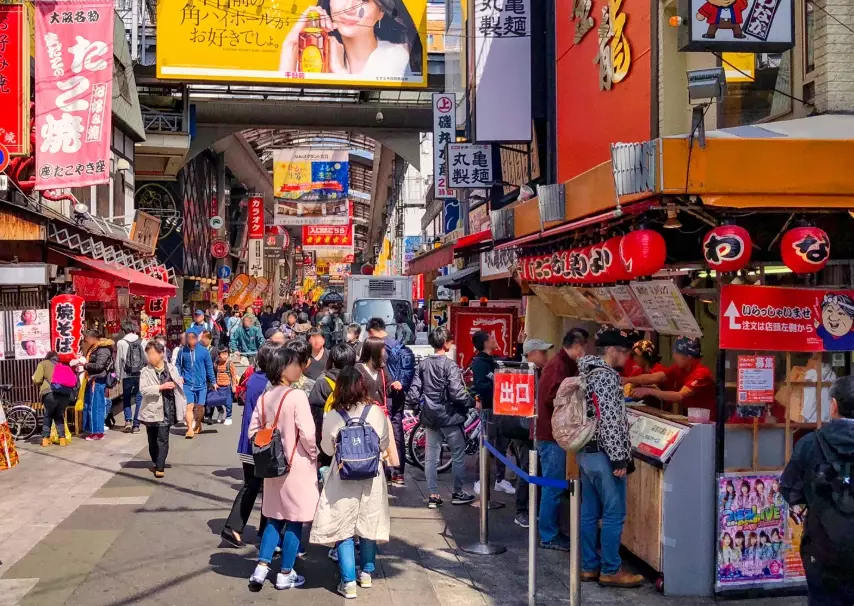
The Overlooked Gems: Side Street Eats
Venture into Soemon-cho. Here, you'll find tiny bars (tachinomiya) where you can stand, have a cheap beer, and order small plates. Look for places specializing in oden (simmered fish cakes and vegetables) or yakitori (grilled chicken skewers). The prices are often lower, and the vibe is more local. One of my personal favorite finds was a tiny stall tucked away that did nothing but perfectly grilled scallops with a dot of miso butter. No fancy sign, just incredible food.
How to Navigate Dotonbori Like a Pro
The crowds, especially on weekends and evenings, are no joke. Here’s how to survive and thrive.
Timing is Everything: If you hate crowds, go on a weekday afternoon between 2-5 PM. You'll miss some of the night-time energy, but you can actually move. The classic experience is from 6 PM onwards when everything is lit up and buzzing. Post-9 PM, the families thin out, and it becomes more of an adult nightlife scene.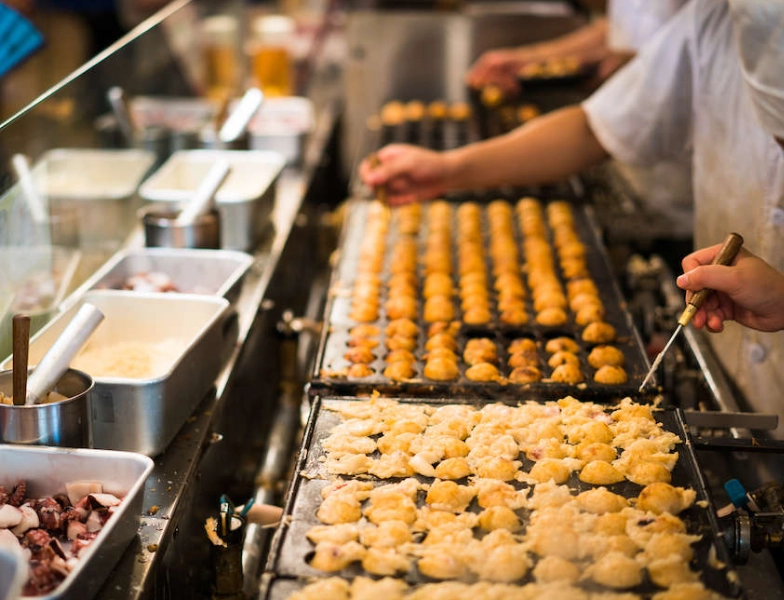
The Cash Rule: While more places take cards now, many street food stalls are cash-only. Always have at least ¥3,000-¥5,000 in yen notes and coins on you. The 7-Eleven and Lawson convenience stores have ATMs that accept foreign cards if you get stuck.
Trash Disposal: This is a major pain point. You will almost never find public trash cans in Japan, and Dotonbori is no exception. Stalls will sometimes have a small bin for their own packaging, but don't count on it. The universal solution? Carry a small plastic bag in your daypack to hold your trash until you get back to your hotel or find a convenience store (they usually have bins inside).
Where to Eat: Most food is designed to be eaten standing right where you bought it. Some stalls have a narrow counter. If you want to sit, look for the steps along the canal wall. It's a popular, scenic spot to perch and eat your takoyaki while watching the tourist boats go by. Just be mindful and clean up after yourself.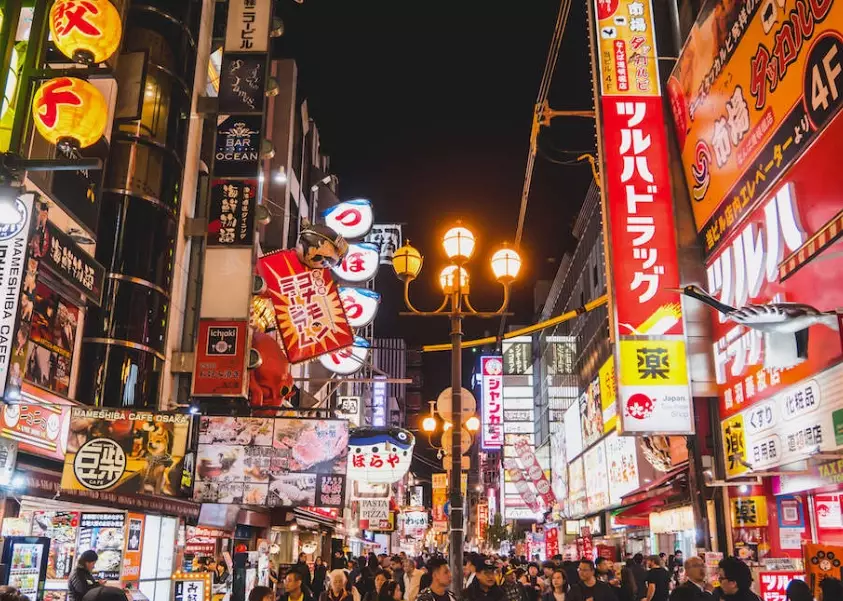
Crafting Your Perfect Dotonbori Food Crawl
Let's build a sample itinerary for a first-time visitor hitting Dotonbori for dinner.
Step 1: Start at the Glico Sign (around 6:30 PM). Soak in the iconic view across the Ebisu-bashi bridge. Don't spend too long—you can come back later for photos.
Step 2: Grab your first snack. Instead of joining the longest takoyaki queue you see, walk 50 meters down the main street. Find a stall with a steady stream of locals. Order one box of takoyaki to share. Eat it by the canal.
Step 3: Dive into the side streets. Pick one alley that looks intriguing. Look for a kushikatsu place. Order 2-3 skewers per person—try the classic pork, the cheese, and the shishito pepper. Remember the no double-dipping rule!
Step 4: Main dish decision. Are you still hungry? If yes, now's the time for a sit-down okonomiyaki experience. Head to Mizuno or Chibo (expect a wait). If you're filling up, skip to step 5.
Step 5: Sweet ending. Grab a Melon Pan with ice cream or a crepe. Wander back towards the Glico sign. The neon lights are now fully dazzling. Your photos will be much better now.
Step 6: Digest and explore. Walk across the bridge into the Shinsaibashi shopping arcade or simply find a less crowded spot along a side street to people-watch. The energy here lasts well into the night.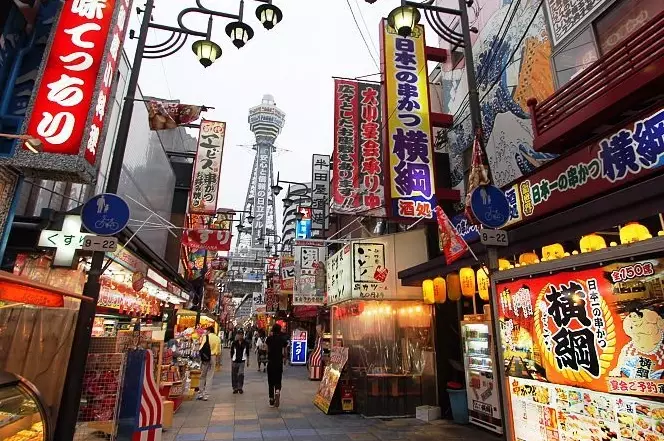
Dotonbori Street Food FAQs Answered
Dotonbori is more than a checklist of foods. It's the pulsating, messy, glorious heart of Osaka's food culture. Go with an empty stomach, cash in your pocket, and a willingness to get a little lost in the crowds and the aromas. That's where you'll find the real magic of Osaka's most famous street for street food.

Share Your Thoughts