You've seen the pictures. A winding road through red torii gates in Kyoto, a coastal highway with Mount Fuji in the distance, a serene drive through the Japanese Alps. The idea of a self-drive tour of Japan promises ultimate freedom. But is it really all smooth sailing? After multiple trips driving across Hokkaido, Honshu, and Kyushu, I can tell you the answer is a resounding yes, but with major caveats. A Japan road trip is fantastic for the right traveler and the right itinerary. It's terrible for others. This guide strips away the Instagram filter and gives you the concrete details to decide if it's for you.
What's Inside This Guide?
The Brutal Honesty: Pros and Cons of Driving in Japan
Let's not romanticize this. Japan's public transport is world-class. So why drive?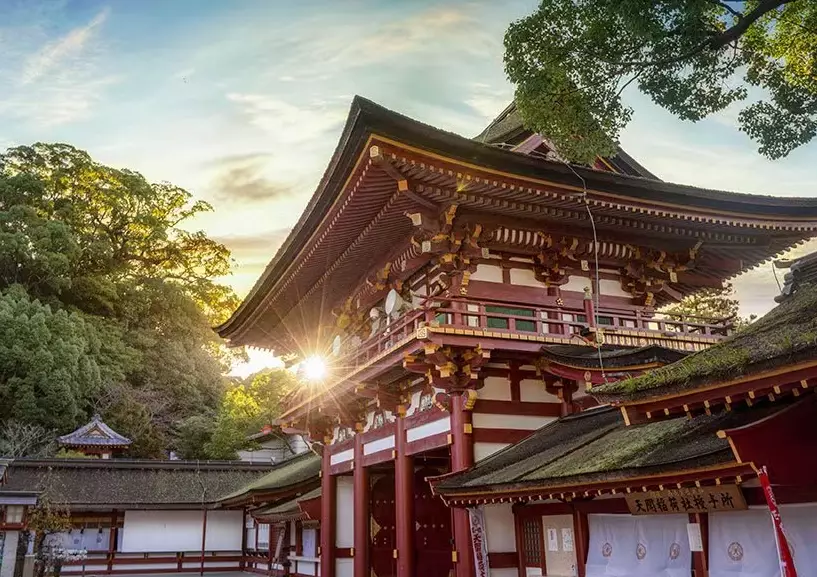
The Good Stuff (Where Driving Wins):
- Access to the Untouched: This is the biggest win. Places like the Shirakawa-go gassho-zukuri villages, the art islands of Naoshima, or the remote onsens of Kyushu become simple day trips instead of multi-transfer logistical puzzles.
- Rural Freedom: In Hokkaido, driving is almost mandatory. The distances between Furano's lavender fields, Biei's rolling hills, and the coastal town of Otaru are vast and poorly served by frequent trains.
- Cost-Effective for Groups: A rental car split between four people can be cheaper than four Shinkansen tickets for a medium-distance journey. It also eliminates luggage forwarding fees.
- Serendipity: You can stop at that random, perfect-looking soba shop by the road, or pull over at a michi-no-eki (roadside station) selling incredible local produce.
The Harsh Reality (Where Trains Win):
- City Nightmare: Driving in Tokyo, Osaka, or central Kyoto is expensive (tolls, parking), stressful, and utterly pointless. Your car will be a prison.
- Toll Costs: Expressways (kōsoku-dōro) are incredibly expensive. The toll from Tokyo to Kyoto can exceed ¥10,000 per car. The Japan Expressway Pass (JEP) can mitigate this for tourists, but you must buy it BEFORE arriving.
- Parking Puzzles: Parking is scarce and pricey in towns. Many hotels charge ¥1,000-¥2,500 per night. That charming ryokan? It might not have parking at all.
Left-Side Driving: If you're from a right-side driving country, the first hour is a mental workout. Roundabouts and parking garages are where most mistakes happen.
My Rule of Thumb: Use the bullet train to cover long distances between regions (e.g., Tokyo to Hiroshima). Then, pick up a rental car to explore that specific region in depth (e.g., drive around the Seto Inland Sea from Hiroshima). This hybrid approach is the sweet spot.
How to Plan Your Japan Self-Drive Itinerary
Planning is everything. A good itinerary isn't just a list of places; it's a realistic assessment of drive times, parking, and overnight stops.
A Sample 7-Day Central Honshu Itinerary (Tokyo -> Kyoto)
This route avoids city driving and maximizes scenery. Pick up the car after exploring Tokyo.
| Day | Route & Drive Time | Key Stops & Overnight | Parking & Logistics Notes |
|---|---|---|---|
| 1 | Pick up car in Tokyo (Shinjuku). Drive to Hakone (~2 hrs with tolls). | Hakone Open-Air Museum, Lake Ashi cruise, onsens. Overnight in Hakone. | Most hotels have parking. Use the Hakone Free Pass for local transport, not the car. |
| 2 | Hakone to Matsumoto via Route 20 (~3.5 hrs). Scenic mountain drive. | Matsumoto Castle (parking ~¥700). Overnight in Matsumoto or nearby onsens. | Matsumoto Castle has a dedicated paid lot. City is small and walkable after parking. |
| 3 | Matsumoto to Takayama via Norikura Skyline (seasonal) or Route 158 (~2.5 hrs). | Explore Takayama's old town (Hida Folk Village). Overnight in Takayama. | Use a large municipal parking lot (like the one near the station, ~¥500/day). |
| 4 | Day trip to Shirakawa-go (~50 mins each way). | UNESCO World Heritage gassho-zukuri farmhouses. Return to Takayama. | Shirakawa-go has large paid parking lots (~¥1,000). Arrive early to avoid crowds. |
| 5 | Takayama to Kanazawa via Shokawa Valley (~2.5 hrs). | Kenrokuen Garden, Omicho Market, Nagamachi Samurai District. Overnight Kanazawa. | Hotel parking is essential here. City driving is moderate but parking is key. |
| 6 | Kanazawa to Kyoto (~3 hrs via toll expressway). | Drop bags at hotel on outskirts of Kyoto. Evening in Gion or Pontocho. | DO NOT DRIVE IN CENTRAL KYOTO. Book hotel with parking and use trains/buses. |
| 7 | Return car at Kyoto Station or Kansai Airport. | Explore Kyoto using public transport. | Major rental companies have offices at Kyoto Station. Drop-off is straightforward. |
Top Scenic Drives and Regional Itineraries
Forget generic lists. These are drives where the journey is the destination.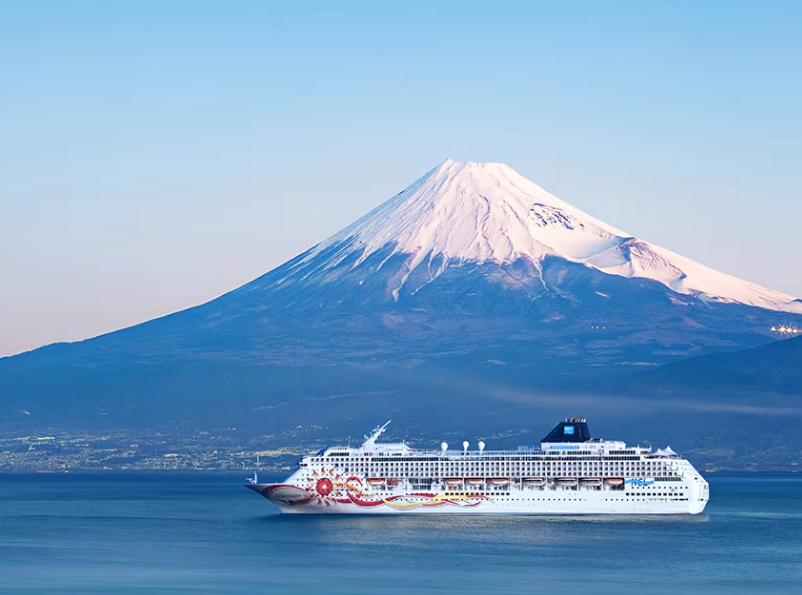
1. The Irohazaka Winding Roads & Lake Chuzenji (Nikko): A series of dramatic switchbacks climbing from Nikko town up to the stunning Lake Chuzenji and Kegon Falls. It's an engineering marvel, especially in autumn. Drive Time: 40 minutes for the climb, but allow a half-day for stops.
2. The Yamanami Highway (Kyushu): Connecting Beppu and Kurokawa Onsen, this road cuts across the mountains between Mt. Aso and Mt. Yufu. The views are vast, volcanic, and unlike anything else in Japan. Stop at the Yumei Otsurihashi suspension bridge. Drive Time: 2-3 hours without stops.
3. The Noto Peninsula (Hokuriku Region): This is remote, rugged coastal Japan. The route from Kanazawa up the west coast features dramatic sea cliffs, traditional fishing villages like Wajima, and the unique Senmaida (thousand rice paddies) terraces. This is a 2-3 day road trip in itself.
Car Rental, Costs, and Navigation Logistics
Here's the nitty-gritty most blogs gloss over.
Renting the Car: Use aggregators like Rentalcars.com or book directly with major Japanese companies (Toyota Rent a Car, Nippon Rent-A-Car, Times Car Rental). They have English sites and staff at major locations. You MUST have an International Driving Permit (IDP) alongside your home license. Get it from your local automobile association (like AAA in the US) before you fly.
Cost Breakdown (Per Day Estimate):
- Compact Car Rental: ¥6,000 - ¥9,000
- Collision Damage Waiver (CDW): ¥1,000 - ¥1,500 (often included in "full coverage" packages)
- Expressway Tolls: Highly variable. Tokyo to Nagoya is about ¥7,000. Budget ¥5,000-¥10,000 per long drive day.
- Parking: ¥1,000 - ¥2,500 per night at hotels; ¥300 - ¥1,000 per attraction stop.
- Fuel: Around ¥160 per liter. A compact car is very efficient.
Navigation: Google Maps or Apple Maps work perfectly 95% of the time. They show toll costs and real-time traffic. Pro tip: Set the language to English but keep voice guidance in Japanese. The pronunciation of place names is often clearer, and you'll learn to recognize key terms like hidari (left) and migi (right). Always have a mobile Wi-Fi router or SIM for constant data.
Driving Rules, Etiquette, and Unwritten Laws
Japanese drivers are courteous but expect you to know the rules.
- Speed Limits: They are low and strictly enforced by cameras. National highways are often 50-60 km/h, expressways 80-100 km/h. Everyone goes slightly over, but don't be the fastest car.
- Stop Lines: Come to a complete stop at all red lights and stop (tomare) signs. Rolling stops will earn you stares.
- Headlights: It's common to drive with headlights on during the day for visibility.
- The "Hazard Light Thank You": Flash your hazard lights twice quickly if someone lets you merge in front of them. It's the standard "thank you." Do it.
- Parking: Never, ever park illegally (akushon parking). Your car will be towed immediately, and the fine and recovery process is a nightmare. Always use designated paid parking.
One Unwritten Rule Everyone Misses: On narrow rural roads without sidewalks, pedestrians have absolute right of way. Slow down to a crawl and give them a wide berth, even if it means your tires go into the gutter. It's a sign of respect.

Share Your Thoughts