You're planning a pilgrimage on Japan's ancient Kumano Kodo, and the first question that hits you is a practical one: how many days will this take? The short, honest answer is: it depends, wildly. The "Kumano Kodo" isn't a single trail but a network of routes. Your time can range from a long day hike to a profound two-week journey. Most people vastly underestimate the terrain and overestimate their daily distance. I've seen fit hikers reduced to a crawl by the relentless stone steps and humidity. Let's cut through the vague estimates and break down exactly what dictates your walking time, route by route.
Your Trail Map to This Guide
The Core Routes: Walking Times & Distances
Forget a single number. Your choice of route is the biggest factor. The Nakahechi is the popular "Imperial Route," but the Kohechi is a beast for mountain lovers. Here’s a realistic look at the main pilgrim paths.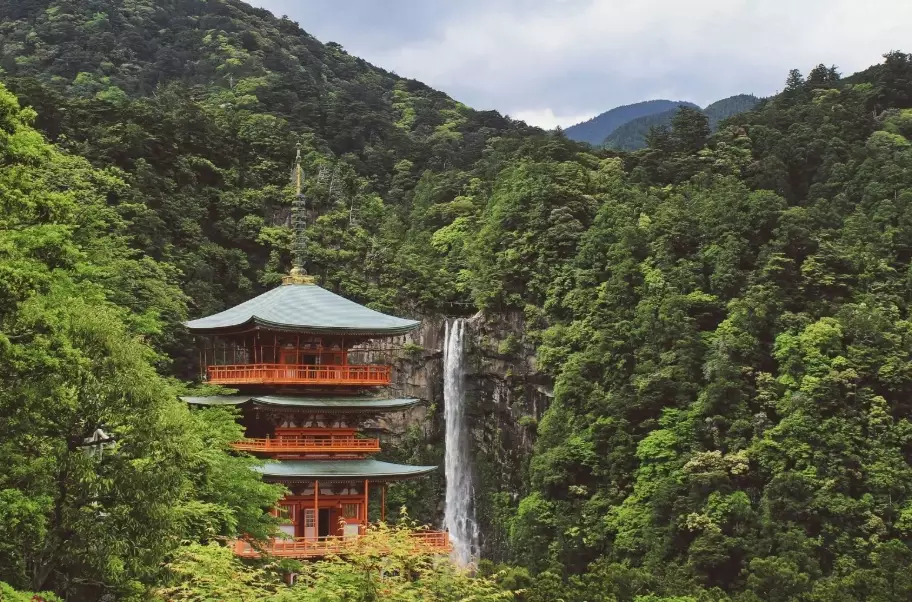
| Route Name | Typical Distance | Official "Standard" Days | Realistic Time for Fit Hikers | Key Character |
|---|---|---|---|---|
| Nakahechi (Imperial Route) | ~40 km (Takijiri-oji to Kumano Hongu Taisha) | 2 days | 2 full, long days. Day 1 (Takijiri to Chikatsuyu) is tough. Many split it further into 3 gentler days. | The classic. Well-signed, best infrastructure, moderate-to-strenuous with steep stone stair sections. |
| Kohechi (Mountain Crossing Route) | ~70 km (Koyasan to Kumano Hongu Taisha) | 4 days | 4-5 very strenuous days. This is a serious mountain trek with major ascents/descents daily. Don't rush it. | The challenge. Remote, steep, minimal facilities. For experienced, self-sufficient hikers only. |
| Iseji (Eastern Coastal Route) | ~170 km (full length) | 7+ days | Varies widely. Often hiked in sections (e.g., 2-3 day chunks). Mixes coastal paths, roads, and forest trails. | The long haul. Less pilgrim traffic, more varied scenery, but involves road walking. |
| Ohechi (Coastal Scenic Route) | ~50 km (historical route) | 2-3 days | Mostly day hikes now. Large sections are modern roads, not recommended as a through-hike. | Historical. Best for short scenic walks on remaining trail sections, not a continuous pilgrimage. |
Most first-timers aim for the Nakahechi route. The official 2-day walk from Takijiri-oji to Kumano Hongu Taisha is about 40km. Sounds manageable? The cumulative elevation gain is over 2,000 meters. Those are mountain meters, on old, uneven stone steps (ishinatatami). A fit hiker walking 6-7 hours a day can do it in two days. But most people, especially if carrying their pack, enjoy it more as a 3-day hike, adding a night in places like Nonaka or Tsugizakura-oji.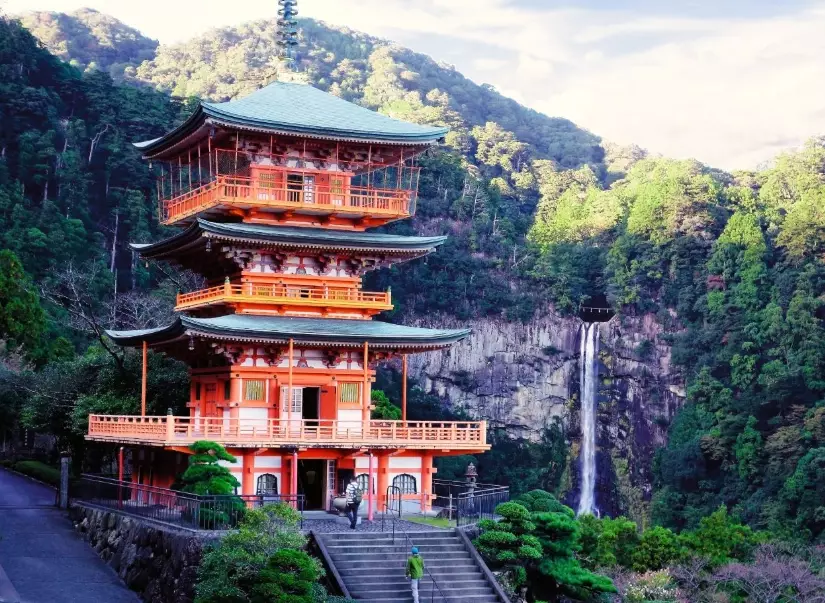
Pro Tip: The "Dual Pilgrim" goal (walking both the Kumano Kodo and Spain's Camino) often focuses on the Nakahechi. To get your official stamp, you need to walk at least the final 7km from Hosshinmon-oji to Kumano Hongu Taisha, plus visit all three Grand Shrines (Hongu, Hayatama, Nachi). This can technically be done in a minimum of two very full days, but it feels like a checklist sprint, not a pilgrimage.
What Really Slows You Down (The Hidden Time-Eaters)
Distance on a map is a liar. On the Kumano Kodo, your pace is decided by more than fitness.
Terrain: The Stone Step Quotient
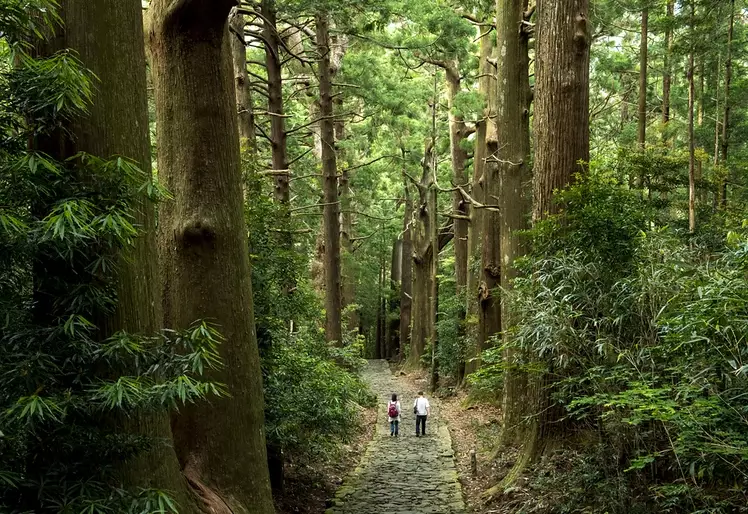
This is the biggest shock. Long sections, especially on the Nakahechi and Kohechi, are paved with ancient, mossy stone steps (ishinatatami). They're beautiful but brutal. They're often uneven, steep, and slippery when wet. You don't walk up them; you climb. Your pace can drop to 1-1.5 km per hour on the toughest ascents. Descending is harder on the knees and often slower for safety.
Weather and Season
Summer (June-August) means heat and stifling humidity. You'll need to start at dawn (5:30-6 AM), take long midday breaks, and carry massive amounts of water. Your daily distance shrinks. The rainy season (June-July) adds slippery trails and leeches. Autumn and spring are ideal, but perfect weather brings more hikers. Winter is possible but days are short, and some remote lodgings close.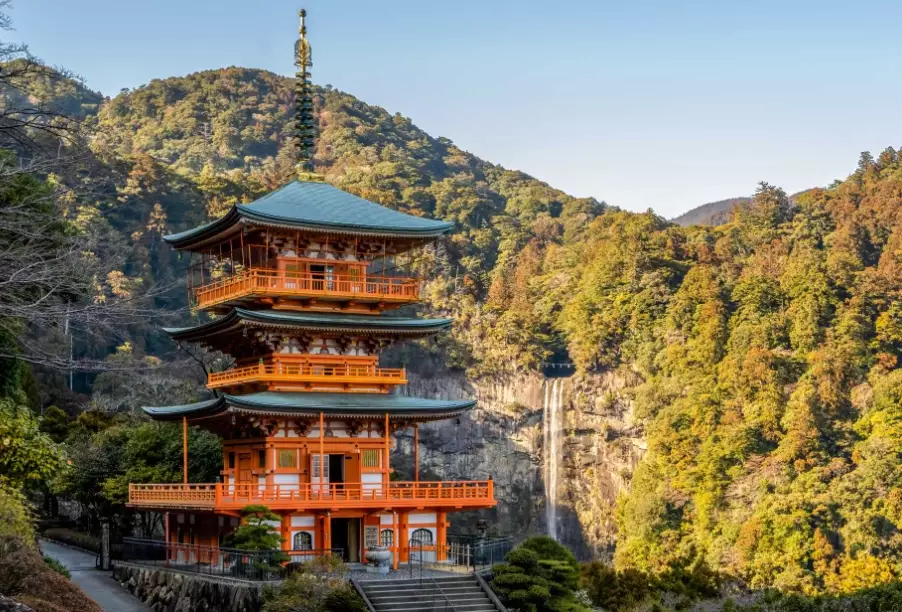
Your Pack and Logistics
Are you carrying all your gear? A 10-15 kg pack changes everything. Using a baggage transfer service (takkyubin) is the single best time-saver and enjoyment-booster. For about ¥2,000 per bag per leg, your pack waits at your next lodging. You hike with just a daypack. This easily adds 2-3 km to your daily comfortable distance. Booking this in advance is non-negotiable.
The Bus Factor: Trailheads and lodgings are connected by infrequent, sometimes once-a-day, rural buses. Missing the 4:15 PM bus from Kumano Hongu Taisha to your ryokan might mean a ¥8,000 taxi. Your daily finish time is often dictated by a bus schedule, not your legs. Always have the current bus timetable (from the Tanabe City Kumano Tourism Bureau website) and a Plan B.
Stopping Actually Matters
This isn't a race. You'll stop at tiny oji (subsidiary shrines) to get your stamp (nokyocho). You'll drink from sacred springs. You'll stare at a 800-year-old cedar. You'll have a lengthy chat with a local farmer. If you budget 6 hours for walking, add at least 1-2 hours for these essential, meaningful pauses. A hike that's just about covering ground misses the point entirely.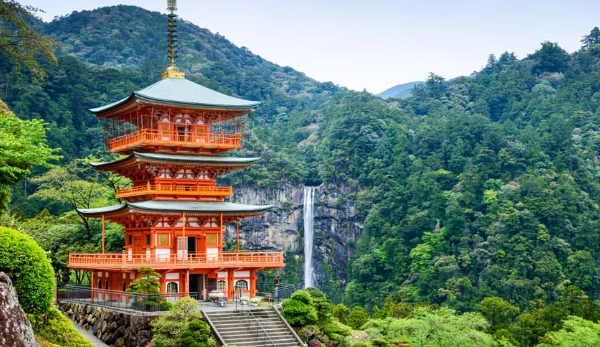
How to Plan Your Perfect Itinerary: 3 Realistic Scenarios
Let's translate this into actual plans. Assume you're a moderately fit hiker, using baggage transfer.
Scenario 1: The Nakahechi Classic (4 Days / 3 Nights)
This is the sweet spot for most first-timers, balancing depth with comfort.
- Day 1: Arrive in Tanabe. Take bus to Takijiri-oji (the trailhead). Walk to Tsugizakura-oji (≈6-7 hrs). Stay in a local minshuku. This breaks the hardest climb into manageable chunks.
- Day 2: Hike from Tsugizakura-oji over the Hyakken-gura pass to Kumano Hongu Taisha (≈6-7 hrs). Visit the grand shrine. Take bus to nearby Yunomine Onsen or Wataze Onsen for a soak and sleep.
- Day 3: Bus back to Hongu. Optional boat down the Kumano River to Shingu, or walk the Dainichi-goe route to Hosshinmon-oji. Visit Kumano Hayatama Taisha in Shingu.
- Day 4: Bus to Nachi. Walk the Daimon-zaka slope to Kumano Nachi Taisha and see the Nachi Falls. Depart.
Scenario 2: The Kohechi Challenge (5 Days / 4 Nights)
For seasoned hikers craving solitude and mountains.
- Start at Koyasan, spend a night in temple lodging.
- Days are defined by major passes: Miura-goya, Obako-toge, etc. Expect 7-9 hour hiking days with significant elevation.
- Accommodation is in basic mountain huts (like Miura-goya) or small family-run lodges in valleys. Bookings are absolutely essential and often require direct phone calls in Japanese.
- This route demands map, compass, and full self-sufficiency. There is no baggage transfer service for the full route.
Scenario 3: The Grand Shrines Express (2 Very Full Days)
If time is extremely tight, but you're determined. This is a logistical puzzle, not a relaxing walk.
- Day 1: Early start. Bus to Hosshinmon-oji. Walk the final 7km of the Nakahechi to Kumano Hongu Taisha (2 hrs). Get stamp. Bus to Shingu, visit Kumano Hayatama Taisha. Bus to Nachi area, stay overnight.
- Day 2: Walk Daimon-zaka to Kumano Nachi Taisha (1.5 hrs). Get final stamps. Depart.
- You've "done" the pilgrimage technically, but you've spent more time on buses than on trails. It's better than nothing, but the essence is lost.
Practical Logistics: Buses, Bags, and Where to Sleep
Logistics dictate your schedule. Here’s the nitty-gritty.
Accommodation: You're not camping. You stay in ryokans, minshukus (family-run B&Bs), or the rare temple. They book out months in advance for spring/autumn. They provide dinner and breakfast (half-board). Check-in is often 3-4 PM, and dinner is served at 6 PM sharp. This creates a natural daily deadline for your hike.
Baggage Transfer: Use Sagawa or Yamato (Black Cat) services. Your lodging will help arrange it for the next day. Pack a separate daypack with rain gear, water, lunch, camera, and your stamp book.
Getting There: The gateway is Kii-Tanabe Station (on the JR Kinokuni Line from Osaka/Shirahama). From there, local buses (run by Nara Kotsu) go to trailheads. The Kumano Travel website has all schedules. Consider the 5-day Kansai Wide Area JR Pass if arriving from Osaka/Kyoto.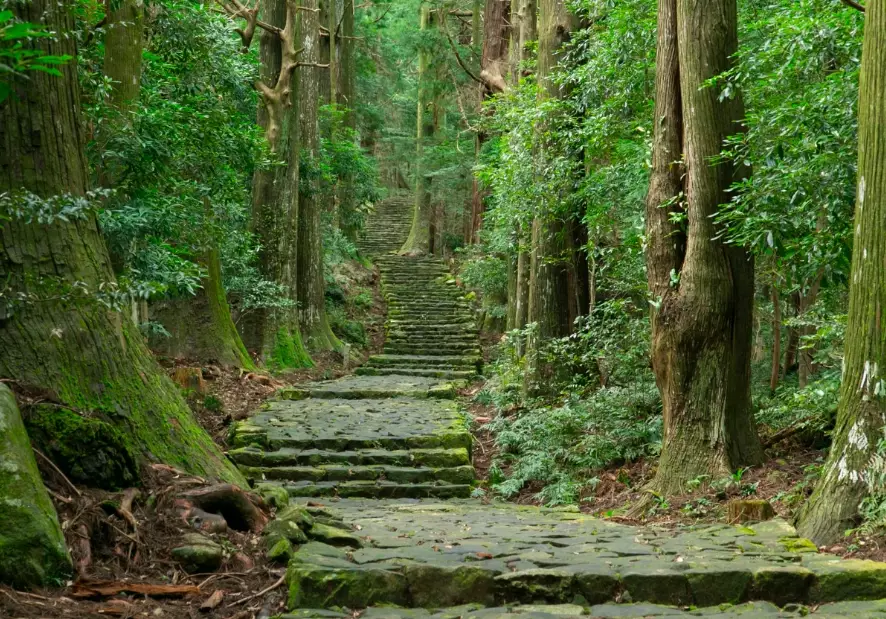
Kumano Kodo FAQs: Answers You Won't Find in Brochures
So, how long does it take to walk the Kumano Kodo? For the core Nakahechi pilgrimage, plan for 3 to 4 full days of walking, sandwiched between travel days. That's the timeframe where the journey shifts from a physical task to a mental and spiritual experience. Rushing it turns it into an endurance test against bus timetables. Giving it time allows the rhythm of the steps, the quiet of the forests, and the depth of the history to actually sink in. Your pace isn't just about kilometers per hour; it's about how much of the experience you allow yourself to absorb.


Share Your Thoughts