Quick Guide
Let's be honest. You've seen the pictures. That sea of people crossing the Shibuya Scramble, the packed rows of tourists at Fushimi Inari, the shoulder-to-shoulder experience in Kyoto's Arashiyama Bamboo Grove. It can feel less like a spiritual journey and more like being herded. I remember standing in line for over an hour just to get a clear photo at Kinkaku-ji, the Golden Pavilion, only to have my view constantly blocked by selfie sticks and tour groups. It was frustrating. That's when I realized there had to be a better way. If you're wondering how to avoid crowds in Japan and actually enjoy the tranquility the country is famous for, you're in the right place. This isn't about skipping the highlights; it's about experiencing them smartly, and discovering the Japan that exists beyond the guidebook checklists.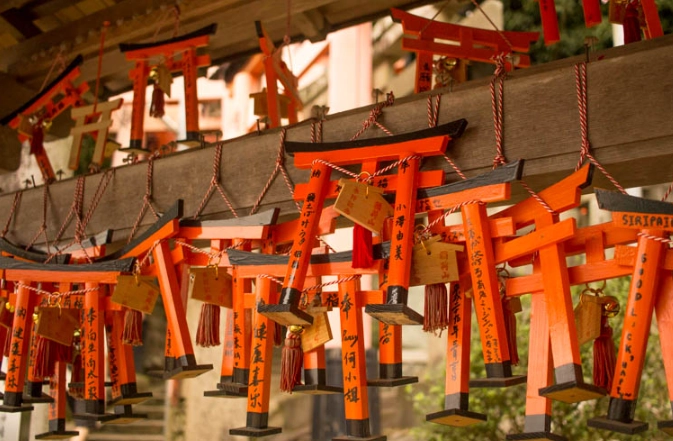
This guide is built on multiple trips, plenty of mistakes, and conversations with locals who've shown me their secret spots. We'll ditch the generic advice and get into the nitty-gritty of timing, location scouting, and mindset shifts that make all the difference. Forget just "go early." Let's talk about how early, what to do when you're there, and what to do when, despite your best efforts, you still find yourself in a crowd.
The Golden Rule: It's All About Timing (And a Bit of Psychology)
Everyone tells you to avoid Golden Week and cherry blossom season. Well, duh. But what if you can only travel then? Or what if you simply must see the sakura? The first layer of learning how to avoid crowds in Japan is mastering the clock and the calendar on a granular level.
Master the Calendar: Beyond the Obvious Peak Seasons
Sure, late March to early April and November are peak. But have you considered the sweet spots right after? Early May, after Golden Week ends, can be surprisingly manageable. Late November, just as the autumn colors start to fade in Kyoto but are still stunning in Nikko, is another window. The Japanese school year starts in April, making weekdays in late April and May less crowded with domestic trips.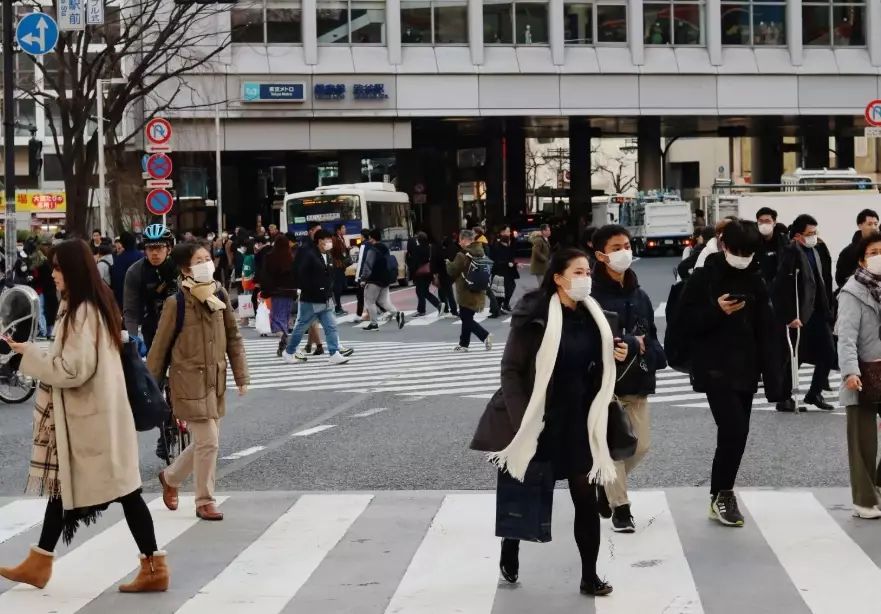
Check the Japanese public holiday calendar religiously. A single holiday on a Monday can create a three-day weekend (a "shukanshu") that sends locals traveling. The official Japan Government website lists all national holidays. A Tuesday after a Monday holiday is often a fantastic day to visit major sites, as everyone has just returned home.
Own the Clock: Your Daily Battle Plan
"Go early" means different things. For the Bamboo Grove in Arashiyama, it means being at the gate by 7:00 AM. For teamLab Borderless in Tokyo (when it reopens), it means booking the very first entry slot online. The first 90 minutes after any major attraction opens are pure gold.
But here's a counterintuitive tip: the last hour before closing can be equally magical. Most tour buses have left, and day-trippers are heading back to stations. I've walked through Nara Park near closing time with only the deer and the fading light for company—a completely different experience from the midday circus.
Weekends are a different beast. Sundays in big cities can be quieter than Saturdays, as many families stay local. But in tourist towns like Kyoto, weekends are uniformly busy. Your best bet for learning how to avoid crowds in Japan on a weekend is to target lesser-known neighborhoods or take a short train trip to a satellite town.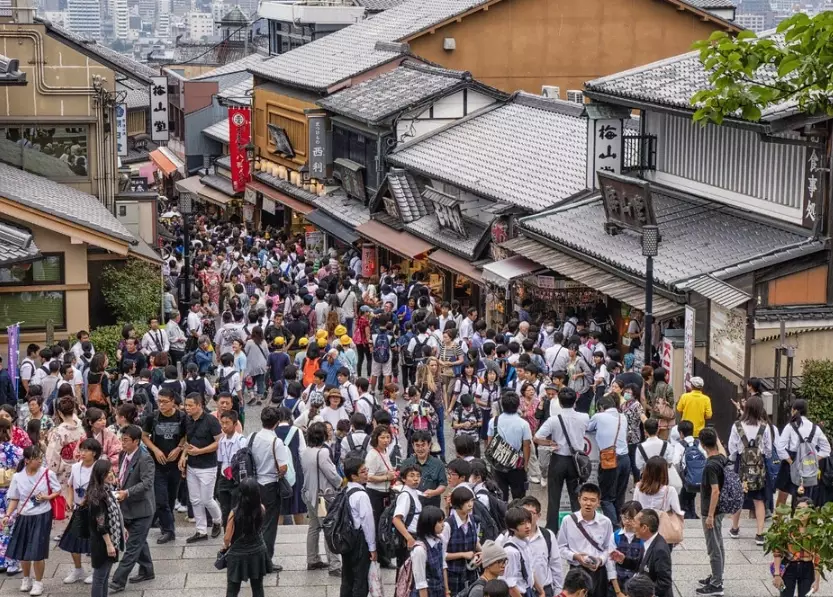
Location, Location, Location: The Art of Strategic Substitution
You want the essence of an experience, not just the Instagram pin. This is the most creative part of crowd avoidance—finding places that give you the same feeling without the human traffic jam.
The Alternatives List: Where to Go Instead
This isn't about skipping greatness; it's about finding parallel greatness.
| If You Want This... | But Want to Avoid This Crowd... | Consider This Alternative... | Why It Works |
|---|---|---|---|
| Historic Temple Atmosphere | Kiyomizu-dera, Kyoto (always packed) | Gio-ji Temple, Arashiyama | A stunning moss garden and thatched-roof hall with a handful of visitors. It feels secret and sacred. |
| Bamboo Forest Vibe | Arashiyama Bamboo Grove, Kyoto | Kodai-ji Temple Bamboo Path, Kyoto | A shorter, enclosed path that's equally beautiful, often included with temple entry, and far less trafficked. |
| Traditional Thatched-Roof Village | Shirakawa-go (over-touristed) | Ainokura Village, Gokayama | Same UNESCO status, same stunning houses, but accessed by a quieter road with a fraction of the visitors. It feels lived-in. |
| Ephemeral City Views | Shibuya Sky or Tokyo Skytree | Metropolitan Government Building, Shinjuku | It's free. The views are spectacular, and while it gets busy, the throughput is high and queues move fast. |
| Fushimi Inari's Torii Gates | The main lower path | The upper trails of Fushimi Inari | 90% of visitors never go past the first half-mile. Keep climbing. The gates continue, the crowds dissolve, and the views get better. |
See the pattern? Do a bit of digging. For every mega-famous spot, there's a sibling or a nearby neighbor that offers 80% of the experience with 20% of the people. The Japan National Tourism Organization's official travel site is a good starting point for discovering regional gems.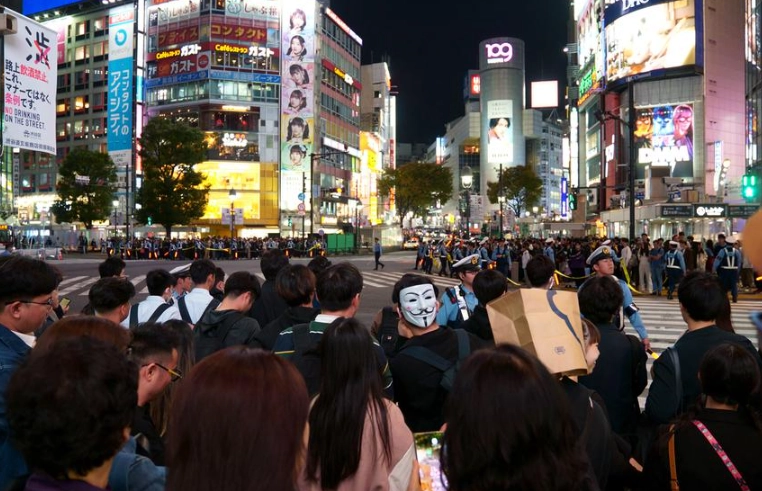
Embrace the Regional and the Rural
The magnet effect of Tokyo, Kyoto, and Osaka is real. But Japan's train system is a miracle that makes getting off the beaten path easier than you think.
Consider basing yourself in a smaller city and doing day trips. Want old Japan? Try Kanazawa as a base instead of Kyoto. You've got stunning gardens (Kenrokuen), a preserved samurai district, great food, and it's a gateway to the Noto Peninsula. Love art? Setouchi's art islands like Naoshima are busy during triennale years but serene otherwise. Even within a region, pick the less-hyped town. Everyone goes to Hakone for Fuji views. I prefer the Izu Peninsula—same volcanic hot springs, dramatic coastlines, and chances to see Fuji, but with a slower, more local pace.
This approach is the core of a sustainable strategy for how to avoid crowds in Japan. You spread economic benefits, have more genuine interactions, and see a more nuanced portrait of the country.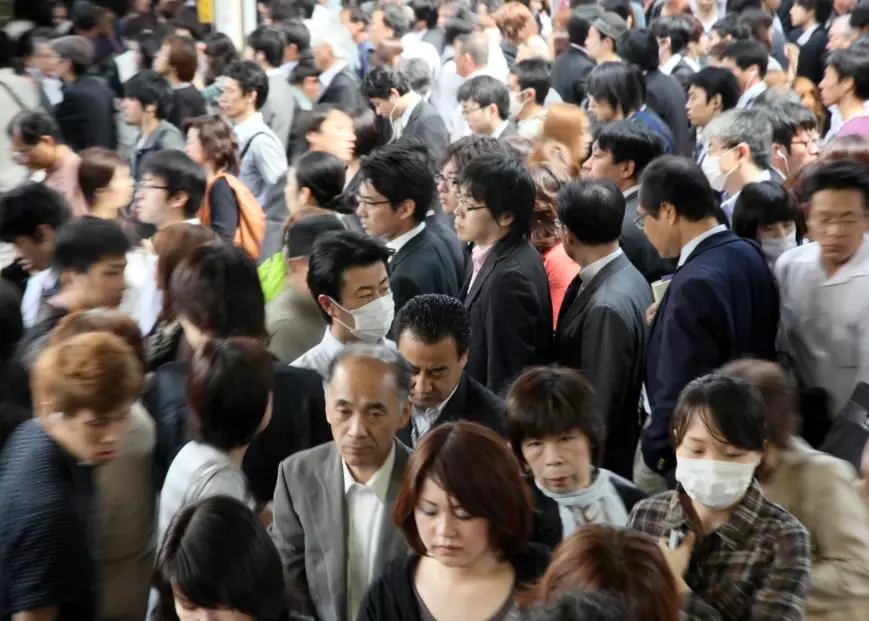
The Nitty-Gritty: Transportation and Accommodation Hacks
Your choices on how to move and where to sleep can create or dissolve crowds around you.
Smart Transit Choices
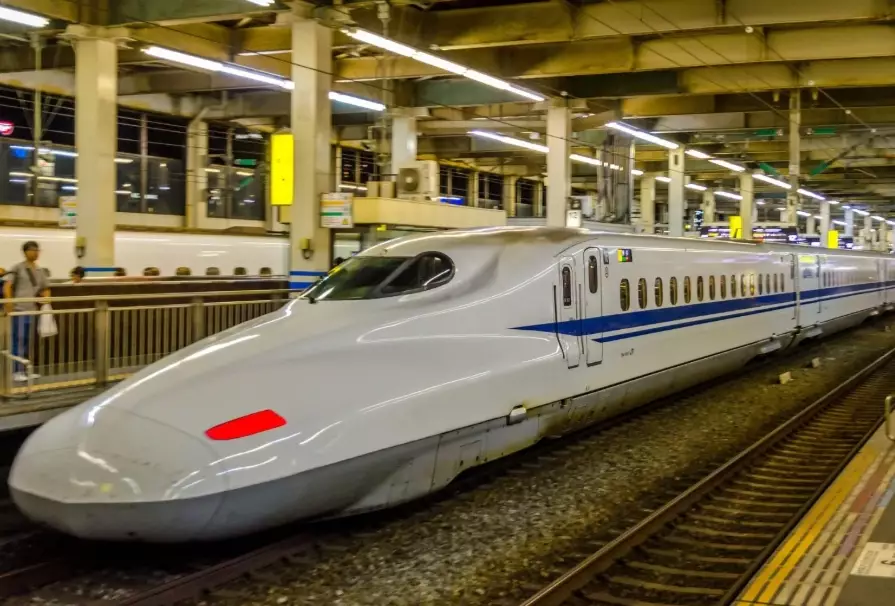
The shinkansen (bullet train) is a wonder, but the reserved seat cars on the most popular routes (like Tokyo-Kyoto) can feel like a busy airport terminal. Here's a trick: book the non-reserved seats (if you're traveling light) and aim for the first or last cars. Or, take a slightly earlier or later train than the obvious 9 AM or 5 PM departures. Local trains, while slower, offer a window into everyday life and are often less crammed outside of metropolitan rush hours (7-9 AM, 5-7 PM).
Renting a car in rural areas (Hokkaido, Kyushu, Shikoku, the Japanese Alps) is a game-changer for crowd avoidance. You unlock tiny villages, coastal drives, and mountain temples that public transport barely touches. Just be prepared for tolls and the challenge of navigating narrow streets.
Where to Stay to Escape the Hustle
Choosing a hotel in a major city's secondary district is key. In Tokyo, instead of Shinjuku or Shibuya, look at areas like Yotsuya, Ichigaya, or even across the river in Koto Ward (near Toyosu). You're still a short train ride from everything, but your neighborhood has local restaurants, quiet streets, and a sense of calm at night.
In Kyoto, the city center around the station is convenient but soulless and crowded. Staying in the quieter northern Higashiyama area (near Ginkaku-ji) or in the western Arashiyama area puts you within walking distance of major sights at their quietest times. Waking up and walking to the Bamboo Grove before the trains arrive from Osaka is the ultimate hack.
Ryokans (traditional inns) in onsen towns are the pinnacle of this philosophy. You're not just visiting a place; you're immersed in it. Places like Kinosaki Onsen or lesser-known towns in Gunma prefecture offer relaxation as the main activity, effectively forcing you to slow down and escape the tourist treadmill.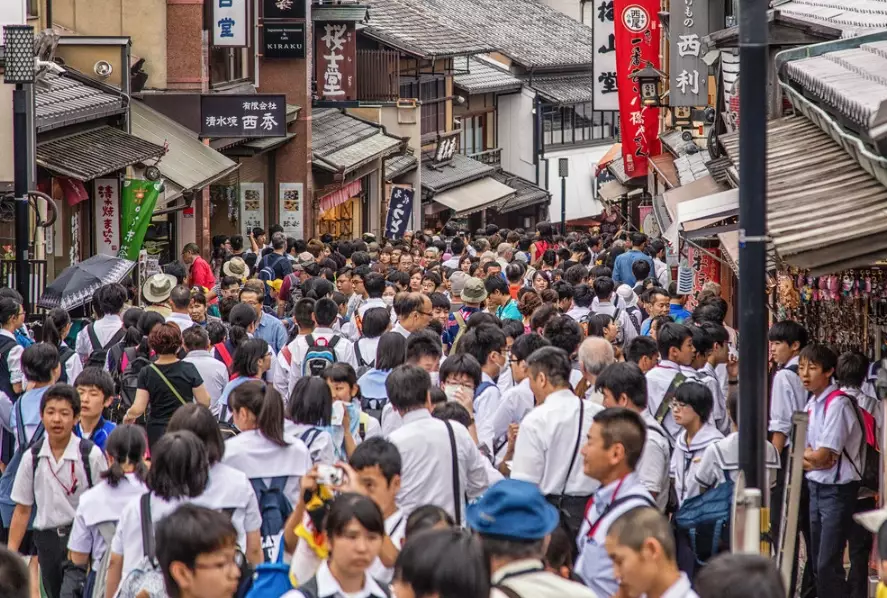
The On-the-Ground Mindset and Practical Tactics
Alright, you've timed it right, picked alternative spots, and sorted your logistics. Now, how do you handle it when you're actually there?
The Art of the Strategic Visit
Always, always check if a major attraction requires or offers online timed-entry tickets. This has become standard for places like Ghibli Museum, teamLab Planets, and even some popular museums. This locks in your entry time and saves you from a brutal standby queue. It's a non-negotiable part of modern travel planning for how to avoid crowds in Japan.
When you enter a crowded temple or garden, don't follow the flow. Most people turn right or go straight. Look at the map and go left, or head to the farthest point first and work your way back. At Tokyo's Senso-ji, everyone beelines for the main hall. Instead, explore the quieter temple buildings to the sides first.
Rain is your friend. A rainy day in Kyoto scares off the fair-weather tourists but makes the moss gardens and stone paths glow with vibrant color. Put on a good rain jacket, grab an umbrella from a convenience store, and have some of the most atmospheric places nearly to yourself. Some of my most memorable temple visits have been in a light drizzle.
Embrace the Local Rhythm
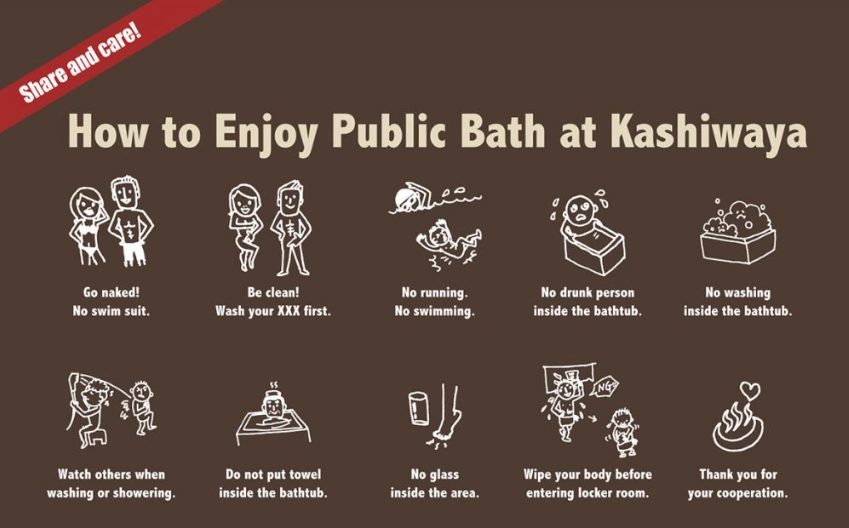
Japanese cities have a pulse. Department stores and major shopping streets get packed in the late afternoon and evening. Use that time to visit a sento (public bath), find a tiny jazz bar, or just wander neon-lit backstreets where the crowds are local office workers, not tourists.
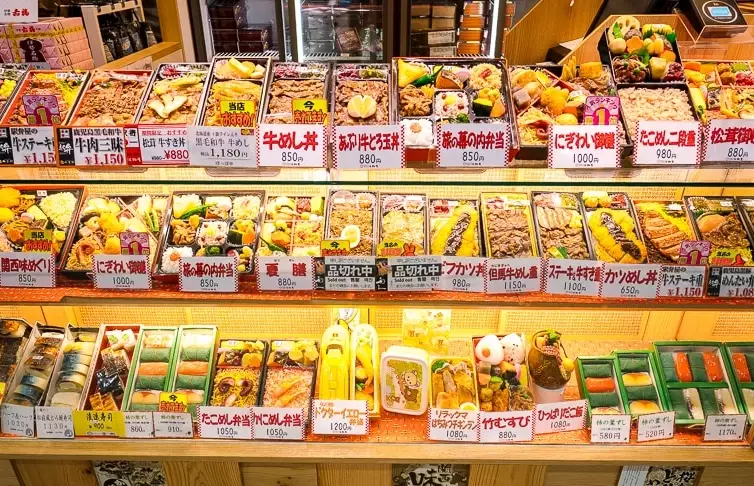
Eat at off-peak hours. Have a big breakfast, a late lunch at 2 PM, and a late dinner after 8 PM. You'll walk into popular eateries with ease. Conveyor belt sushi at 3 PM? No wait. That famous ramen joint at 9:30 PM? You'll be slurping in minutes.
And finally, just accept that some level of crowding is part of the experience in certain places. The energy of a packed izakaya, the collective awe under a sakura tree in full bloom in a park—these can be wonderful. The trick is to not let it define your entire trip. Balance the iconic, crowded moments with plenty of planned solitude.
Answering Your Questions (The FAQ You Actually Need)
Let's tackle some specific worries head-on.
Share Your Thoughts