Osaka is fantastic for food and city vibes, but sometimes you just need to breathe. Luckily, you're sitting in one of the best hubs in Japan for accessing stunning, diverse national parks. Within a few hours, you can trade neon lights for ancient forests, rugged coastlines, and sacred mountains. I've spent years exploring these areas, and the biggest mistake visitors make is trying to see them as quick checkboxes. These parks demand a slower pace.
Your Quick Guide to the Parks
The Three Major National Parks Accessible from Osaka
Let's cut to the chase. When people search for "national parks near Osaka," they're usually looking at three main options. Each offers a completely different experience. Don't get hung up on the official "national park" label—Japan's system includes vast areas with towns and transport inside them. The key is knowing what slice of the park you can realistically tackle from Osaka.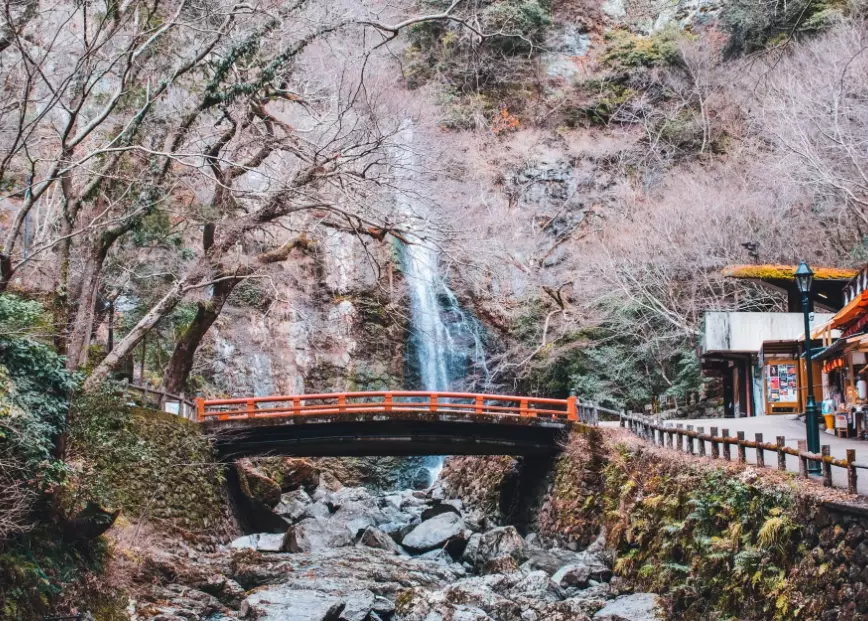
| Park Name | Core Experience | Travel Time from Osaka (One-Way) | Best For |
|---|---|---|---|
| Yoshino-Kumano National Park | Sacred mountains, pilgrimage trails (Kumano Kodo), waterfalls, onsens. | 2 - 3.5 hours by train/bus | Hikers, spiritual seekers, onsens lovers. |
| Setonaikai (Seto Inland Sea) National Park | Island-hopping, contemporary art (Naoshima, Teshima), calm seas, cycling. | 1 - 2 hours by train/ferry | Art enthusiasts, relaxed cyclists, seafood fans. |
| San’inkaigan National Park | Dramatic coastal cliffs, sea caves (Tottori Sand Dunes are nearby), fresh seafood. | 2.5 - 3 hours by train | Coastal scenery, geology, uncrowded trails. |
A common misconception is that you need a car. You don't. Japan's public transport gets you remarkably close to the trailheads and key sights. Renting a car offers flexibility, especially in Yoshino-Kumano, but adds cost and the hassle of navigating narrow mountain roads.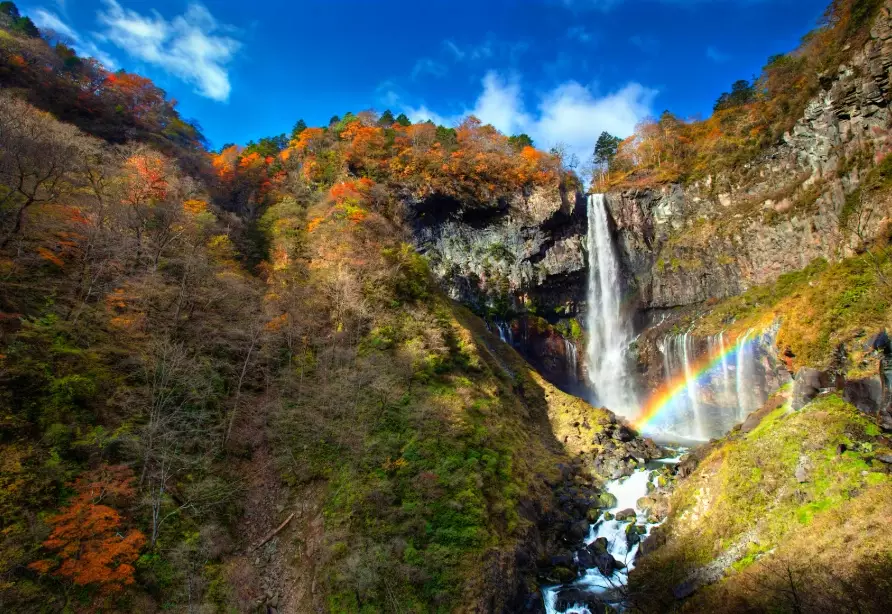
Yoshino-Kumano National Park: The Spiritual Heart
This is the big one. It's not a single spot but a massive region spanning Wakayama, Nara, and Mie prefectures. Trying to "see it all" from Osaka in a day is a recipe for exhaustion. You need to pick one gateway.
How to Get There & What to Do
Gateway 1: Kii-Tanabe for the Kumano Kodo. Take the limited express train from Osaka's Nankai Namba Station to Kii-Tanabe (about 2 hours). This is the main access point for the Nakahechi route of the Kumano Kodo pilgrimage trails. From the station, a bus (about 1 hour) takes you to the trailhead at Takijiri-oji. A rewarding day hike is from Takijiri-oji to Tsugizakura-oji (roughly 4km, steep in parts). You'll walk under towering cedars past ancient stone oji (sub-shrines). It's immersive. For a less strenuous option, take the bus further to Hongu Taisha, one of the three grand shrines, and visit the nearby Yunomine Onsen village for a foot bath or a stay at a historic ryokan.
Gateway 2: Yoshino for the Cherry Blossoms & Temples. From Osaka's Abenobashi Station, take the Kintetsu Line to Yoshino Station (about 90 minutes). The town is famous for thousands of cherry trees covering the mountain slopes (peak bloom is early April, and it's packed). Outside spring, it's a serene escape. Ride the cable car up and explore the temples of the Yoshimizu-jinja area. The views over the valley are worth the trip alone. Hiking trails connect the various temple districts.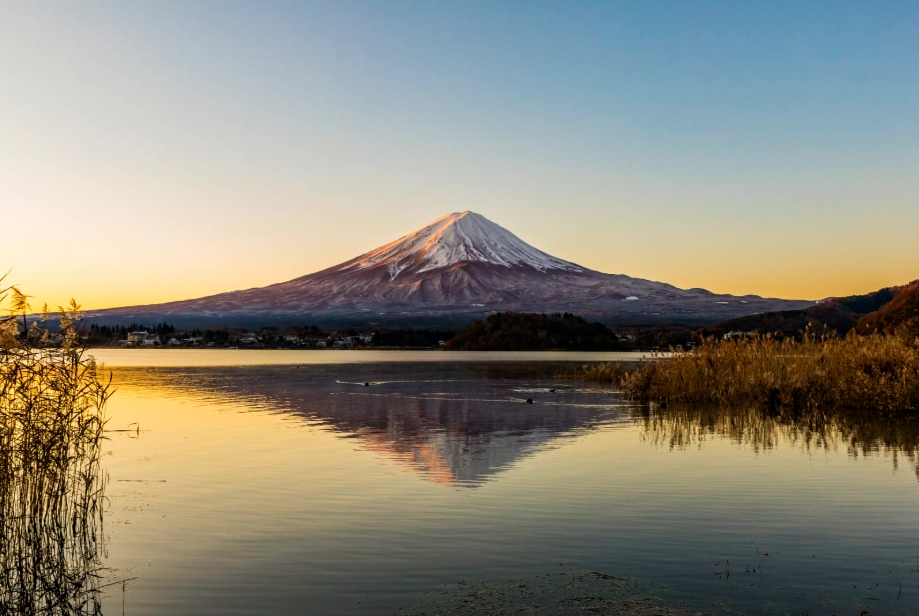
My Take: Most guides send everyone to the most famous Kumano Kodo trail sections. If you want to avoid the (relative) crowds, consider the Iseji route on the eastern coast. Accessible from Shingu or Owase, it features stunning coastal paths like the Matama Toge Pass. You'll see more locals than tourists.
Setonaikai National Park: The Inland Sea
This park is defined by its calm waters and islands. The experience is less about wilderness trekking and more about cultural discovery and serene landscapes. The art islands are the star attraction here.
Crafting Your Island Day Trip
From Osaka, take the Shinkansen to Okayama (about 45 minutes) or a local train to Uno Port (about 2 hours). From Uno, ferries frequently depart for the islands.
Naoshima: The most famous. Rent an electric bicycle at Miyanoura Port. Must-sees include the Chichu Art Museum (book tickets online weeks ahead), the Benesse House complex, and the iconic yellow pumpkin. Plan a full day.
Teshima: More rural and peaceful. Visit the stunning, droplet-shaped Teshima Art Museum and the Teshima Yokoo House. The coastal road is perfect for cycling.
Shodoshima: Larger, with olive groves, an angel road sandbar, and the Kankakei Gorge (spectacular in autumn). You'll need more time here, perhaps an overnight stay.
The official Setouchi Tourism Authority website is the best resource for ferry schedules and art site hours.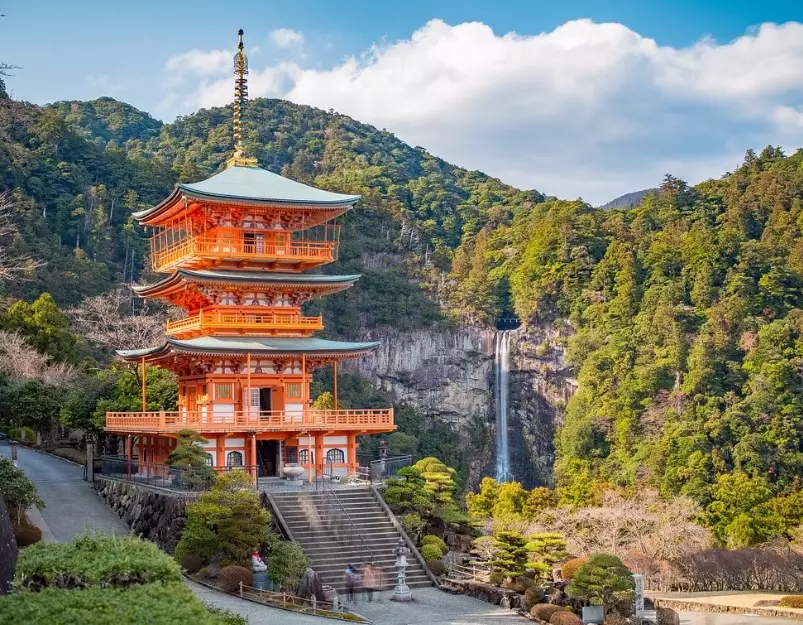
San’inkaigan National Park: The Dramatic Coast
This park, stretching along the Sea of Japan in Hyogo and Tottori prefectures, is the underdog. It's less trafficked by international tourists and offers raw, powerful coastal scenery.
The most efficient access is via the Super Hakuto limited express train from Osaka Station to Tottori Station (about 2.5 hours). From Tottori, you can connect to coastal sites.
Key Spot: The Uradome Coast. Take a local train from Tottori to Iwami Station (about 30 minutes). Here, you can join a coastal boat tour that weaves through dramatic rock formations and sea caves—it's the park's highlight. There are also well-maintained hiking trails along the cliffs if you prefer to walk. The nearby Tottori Sand Dunes, while not technically part of the national park, are a surreal addition to the trip—giant dunes right next to the sea.
Lodging is limited right on the coast. Many choose to stay in Tottori city, which has a charming, laid-back vibe and incredible crab cuisine in winter.
How to Choose and Plan Your Trip
Your choice depends entirely on your available time and energy.
The Perfect Day Trip: Setonaikai's art islands are the most day-trip friendly. The logistics are straightforward: train to Uno, ferry to Naoshima or Teshima, explore by bike, and return. You get a complete, satisfying cultural and scenic experience without feeling rushed if you stick to one island.
For a Weekend or More: This is where Yoshino-Kumano shines. Book a night in a temple lodging (shukubo) in Koyasan or a ryokan in Yunomine Onsen. Hike a section of the trail one day, soak in an onsen, and visit the grand shrines the next. You'll actually feel the spiritual atmosphere everyone talks about.
If You Hate Crowds: Head to San’inkaigan. Even on a sunny weekend, the coastal paths feel quiet. Combine it with the Tottori Sand Dunes for a unique "sea and sand" contrast most visitors miss.
Always check bus and ferry schedules for weekends/holidays. In rural areas, the last departure can be surprisingly early (like 4 or 5 PM). Missing it means an expensive taxi or a stranded night.

Share Your Thoughts