Forget the crowded temples and bustling cities for a moment. Japan's soul is often found on its trails, winding through misty cedar forests, over volcanic passes, and past ancient stone markers. Multi-day hiking here isn't just exercise; it's a deep dive into a landscape shaped by Shinto reverence, volcanic forces, and centuries-old pilgrimage traditions. I've spent over a decade exploring these paths, from the snowy peaks of Hokkaido to the subtropical trails of Yakushima, and I can tell you the logistics are easier than you think—if you know where to look.
Your Hiking Trail Map
Why Multi-Day Hiking in Japan is Unique
You get two journeys in one. Physically, you're tackling mountains. Culturally, you're walking through living history. Trails like the Kumano Kodo are UNESCO World Heritage sites for a reason. You'll pass o-ji (sub-shrines), drink from sacred waterfalls, and sleep in shukubo (temple lodgings) or mountain huts (yama-goya) that serve hot curry and rice. The infrastructure is shockingly good. Most popular trails have well-maintained huts every few hours, meaning you can hike with a lighter pack, relying on them for meals and a futon. This isn't a raw wilderness survival test; it's an accessible, immersive way to experience Japan's backcountry.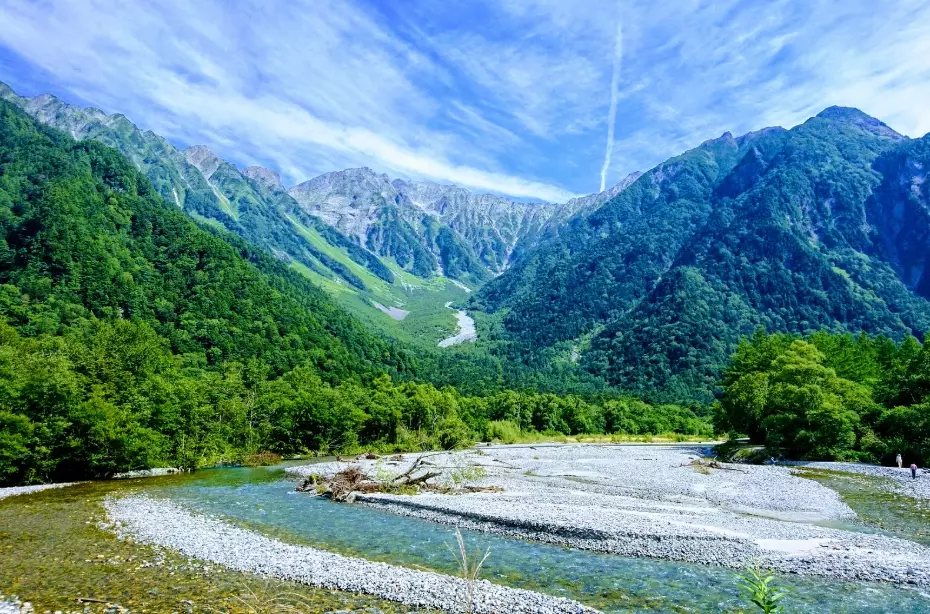
Top 5 Multi-Day Hiking Trails in Japan: At a Glance
Picking a trail depends on your fitness, time, and what you want to see. This table breaks down the heavy hitters.
| Trail Name | Region | Classic Duration | Difficulty | Best Time to Go | Core Experience |
|---|---|---|---|---|---|
| Nakasendo Way (Kiso Valley Section) | Central Honshu (Nagano/Gifu) | 2-4 days | Easy to Moderate | May-June, Sept-Oct | Walking a historic post road between preserved post towns like Magome and Tsumago. |
| Kumano Kodo Nakahechi Route | Kii Peninsula (Wakayama) | 3-5 days | Moderate | April-May, Oct-Nov | A spiritual pilgrimage to three grand shrines, through forested mountains. |
| Tateyama-Kurobe Alpine Route & Nearby Peaks | Northern Alps (Toyama/Nagano) | 2-4 days | Moderate to Strenuous | July to mid-September | High-alpine scenery, snow walls (in spring), and hut-to-hut hiking above 2000m. |
| Mt. Fuji Yoshida Trail (Climb) with Lakes Circuit | Yamanashi/Shizuoka | 2-3 days | Strenuous (Fuji) / Easy (Lakes) | July 1 – Sept 10 (official climbing season) | Summiting Japan's icon and recovering while circling the scenic Fuji Five Lakes. |
| Shikoku Pilgrimage (Select Segments) | Shikoku Island | 5-7 days (for a segment) | Moderate | March-May, October-November | A cultural deep-dive, visiting a series of temples and engaging with local o-settai (offerings) culture. |
Trail Deep Dive: Itineraries & Key Details
Here’s a closer look at three of my top picks, with the nitty-gritty details you need to plan.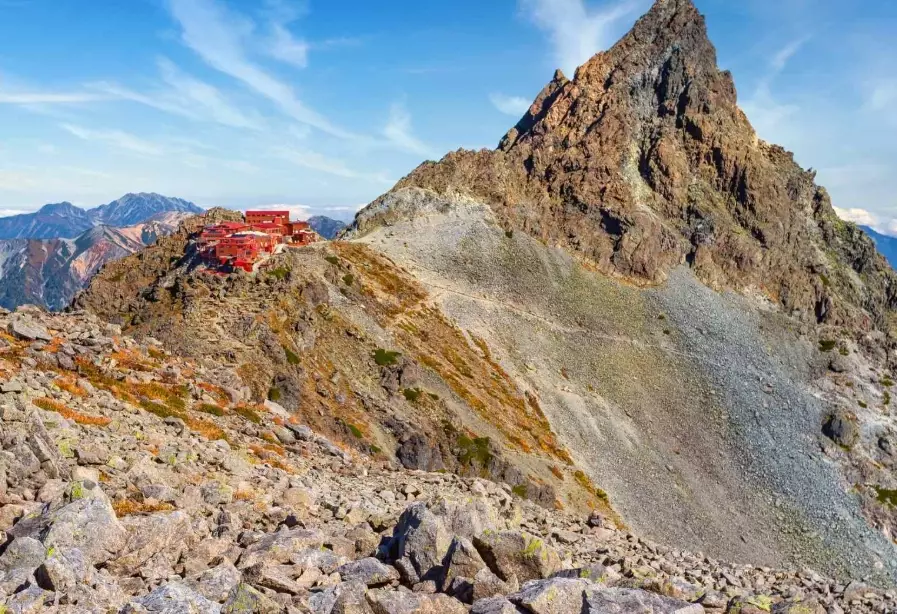
1. Kumano Kodo Nakahechi Route (The Spiritual Pilgrimage)
This is Japan's most famous pilgrimage walk. You're following in the footsteps of emperors and samurai for over 1000 years. The full Nakahechi from Takijiri-oji to Nachi Falls takes about 4-5 days. The trail is stone-paved in sections, winding through deep forests of cedar and cypress.
A 4-Day Sample Itinerary:
- Day 1: Arrive at Kii-Tanabe Station. Bus to Takijiri-oji (the trailhead). Hike to Takahara (approx. 3-4 hrs). Stay at a guesthouse in Takahara (the "village above the clouds").
- Day 2: Hike from Takahara to Chikatsuyu (approx. 6-7 hrs). This section includes the passes of Tsugizakura-oji.
- Day 3: Hike from Chikatsuyu to Kumano Hongu Taisha (approx. 7-8 hrs). Visit the grand shrine, then take a local bus to Yunomine or Wataze Onsen for a well-deserved hot spring bath and overnight stay.
- Day 4: Bus from Hongu to Koguchi. Hike the challenging Ogumotori-goe pass to Nachi Taisha (approx. 6-7 hrs). See the iconic Nachi Falls and the pagoda. Depart from Nachisan/Katsuura Station.
2. Tateyama-Kurobe Alpine Route & Nearby Peaks (The High Mountain Escape)
This isn't a single trail but a spectacular alpine traverse accessed by cable cars, buses, and a trolley bus. For hikers, the real treasure is using it as a gateway to the Tateyama Mountains. A classic multi-day loop starts from Murodo Station.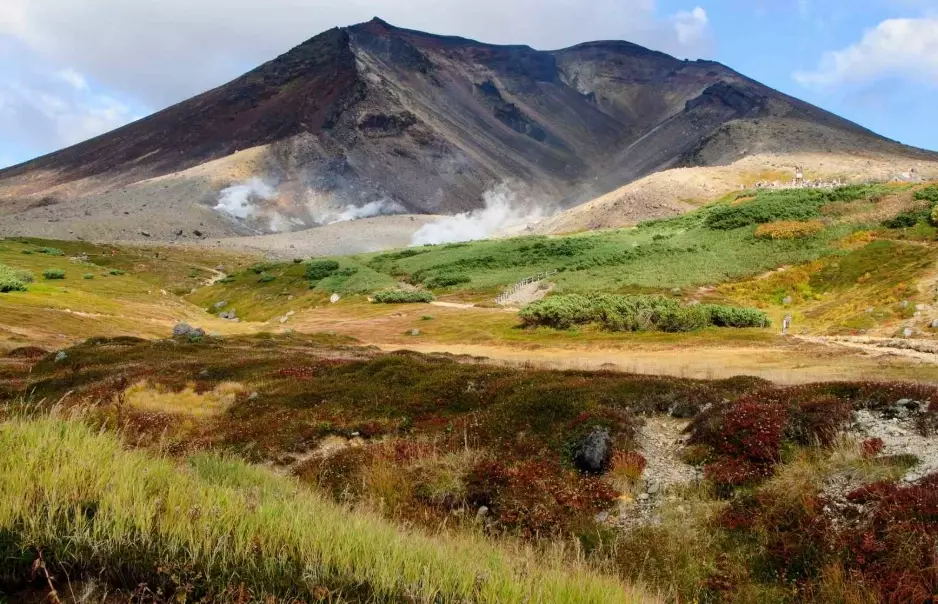
A 3-Day Hut-to-Hut Loop from Murodo:
- Day 1: Take the Tateyama Alpine Route to Murodo (2450m). Hike to Tateyama Caldera and stay at Raichozawa Hut (approx. 3 hrs hiking). The views into the volcanic crater are surreal.
- Day 2: Hike from Raichozawa over Tsuri-gane ridge to Yarigatake Hut (approx. 5-6 hrs). This is proper alpine hiking with chains and ladders in sections—thrilling but not for the faint-hearted.
- Day 3: Summit Mt. Tateyama (3015m) in the morning (approx. 2 hrs return from hut). Descend back to Murodo Station and take the Alpine Route down to Toyama or Nagano side.
Logistics: The Alpine Route itself is a paid transport corridor (around ¥18,000 round trip from Dentetsu Toyama Station). You must book mountain hut stays in advance through their websites or phone. The season is brutally short due to snow—check conditions with the Japan Alps National Park guides.
3. Nakasendo Way: Kiso Valley (The Historical Walk)
Perfect for beginners or those who want culture with their hike. You walk on the original stone path between beautifully preserved post towns.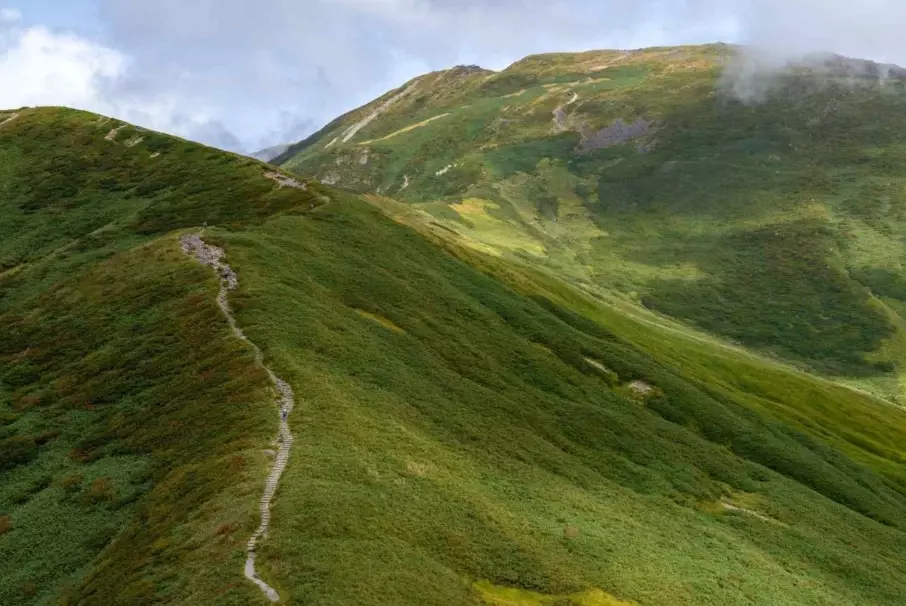
The Classic 2-Day Walk:
- Day 1: Start at Magome (bus from Nakatsugawa Station). Walk the well-signed, uphill forest path to Tsumago (approx. 8km, 2.5-3 hrs). Explore Tsumago (cars are banned on the main street), then stay at a traditional ryokan like Fujioto.
- Day 2: Walk from Tsumago to Nojiri via the pass (approx. 12km, 4 hrs). This section is less crowded and more rustic. From Nojiri, take a local train to Nagiso or back to Nakatsugawa.
A major perk: the baggage forwarding service (takkyubin). You can send your main luggage from Magome to your lodging in Tsumago for about ¥1000 per bag, hiking with just a daypack. It’s a game-changer.
Planning Your Trek: Permits, Huts & Gear
Here’s what most blogs don't tell you clearly.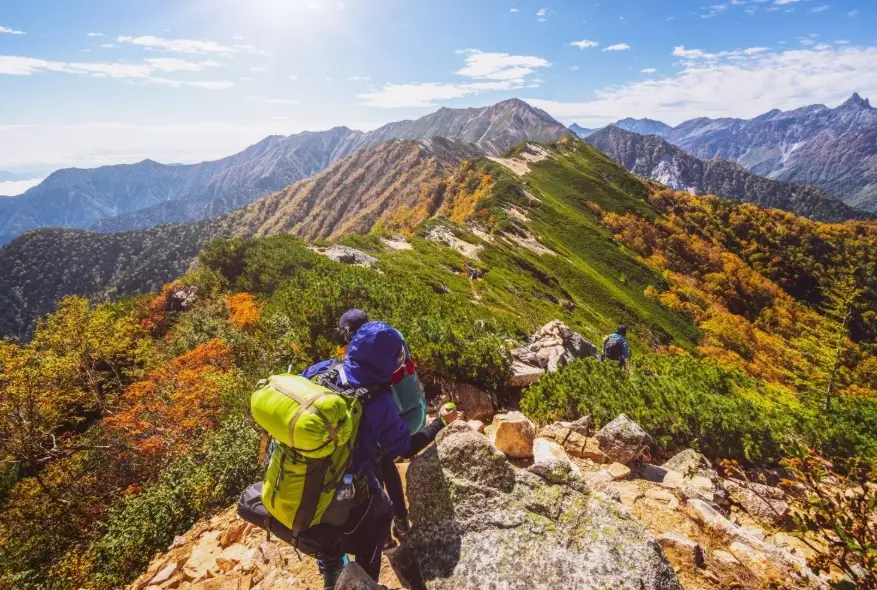
Accommodation: Mountain huts (yama-goya) are not hotels. You get a futon in a shared dormitory. Dinner and breakfast are usually included (and are hearty!). Book directly via their (often Japanese-only) websites or use a service like JapanHiking. For pilgrim trails, use the official pilgrimage association websites.
Permits: Most trails don't require permits. The major exception is climbing Mt. Fuji outside the official season—don't do it, it's dangerous and illegal. Some protected areas may ask for a small conservation donation.
Gear: Even in summer, the mountains are cold. Pack layers, a good rain shell, and sturdy broken-in boots. A sleeping bag liner is essential for huts. Bring cash—many huts and remote shops don't take cards.
Trail Etiquette: This is huge. Greet fellow hikers with a "Konnichiwa." Carry out ALL your trash. There are almost no public bins on trails. Stay on the path to protect fragile ecosystems.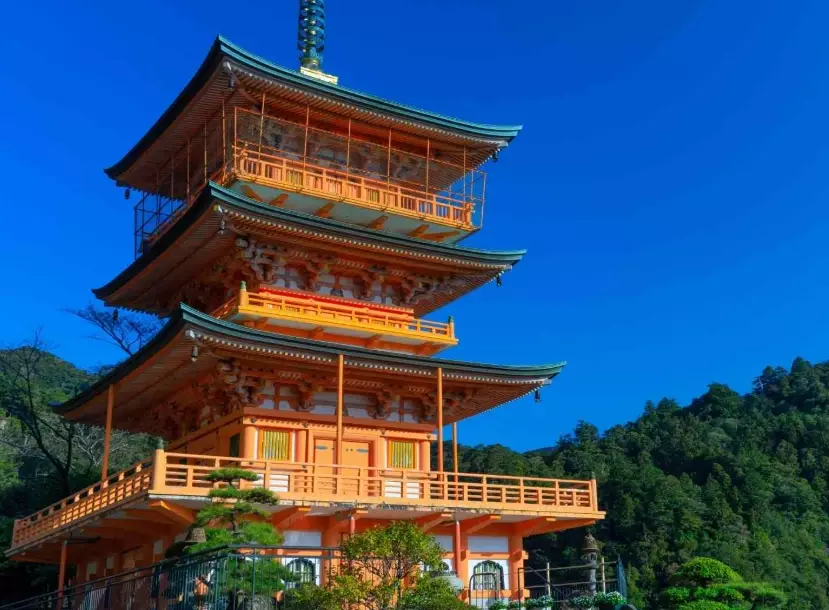



Share Your Thoughts