When you think of Japan, what comes to mind? Maybe it's the bustling streets of Tokyo, the ancient temples of Kyoto, or the iconic peak of Mount Fuji. But for me, some of the most memorable moments happen in Japan's parks and gardens. They're not just green spaces; they're living art, reflections of history, and essential escapes from the urban rhythm. A visit to a famous Japanese park is a masterclass in design, seasonality, and tranquility. Let's move beyond the postcard image of cherry blossoms and explore the parks that truly define the Japanese experience, with all the practical details you need to plan your visit.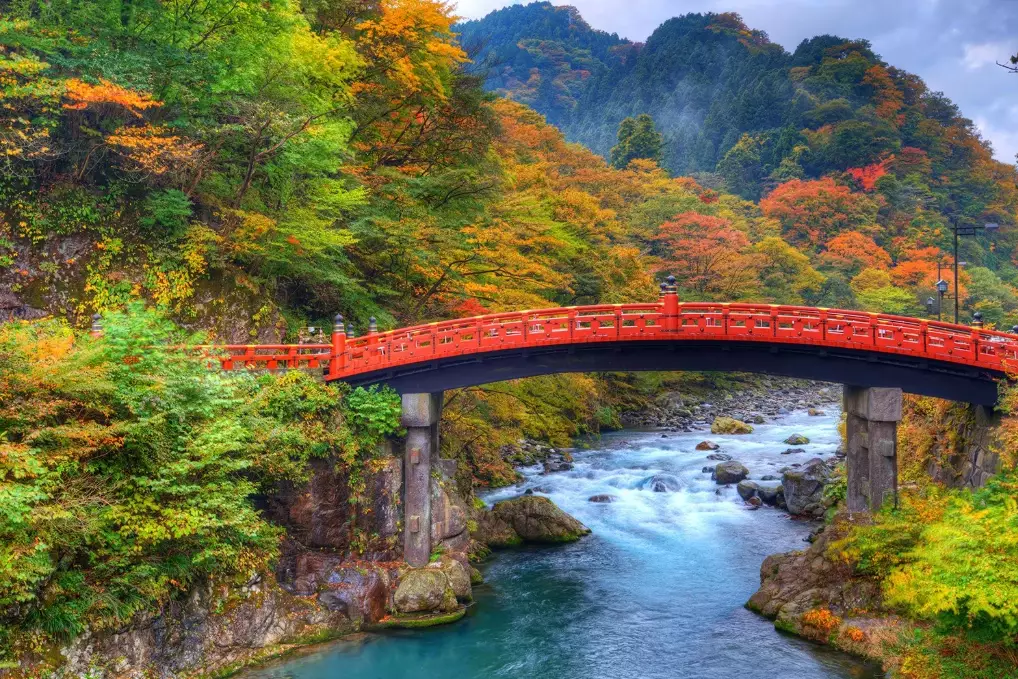
Your Quick Park-Hopping Guide
Tokyo's Urban Oases: Imperial, Shinjuku & Ueno
Tokyo's parks are lungs for a megacity. They each have a distinct personality, and picking the right one depends on the experience you're after.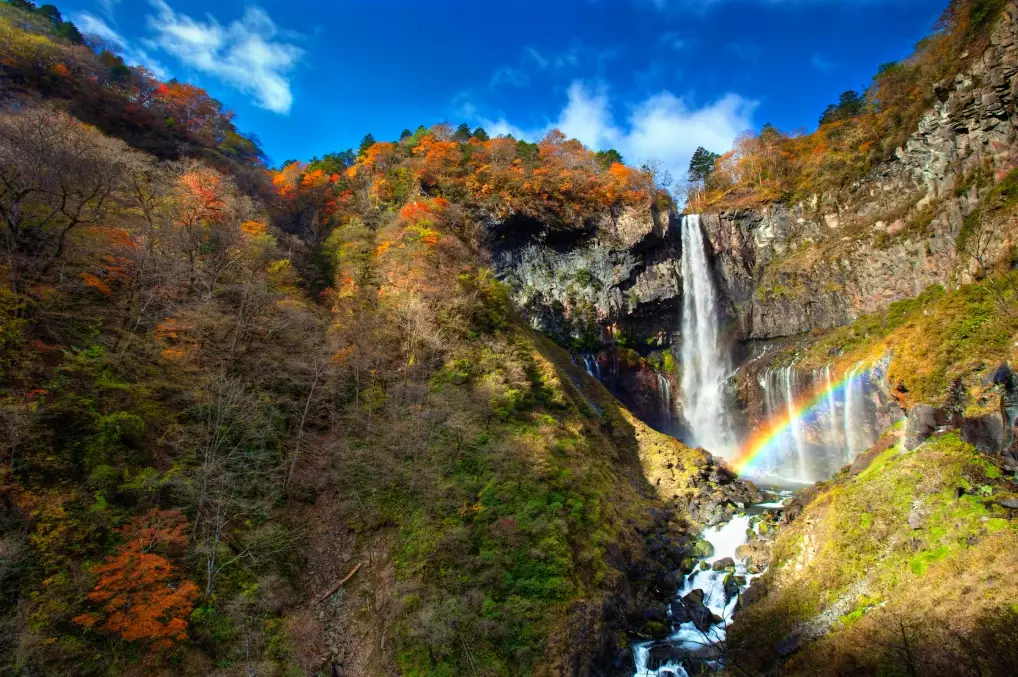
Shinjuku Gyoen National Garden: The All-Season Star
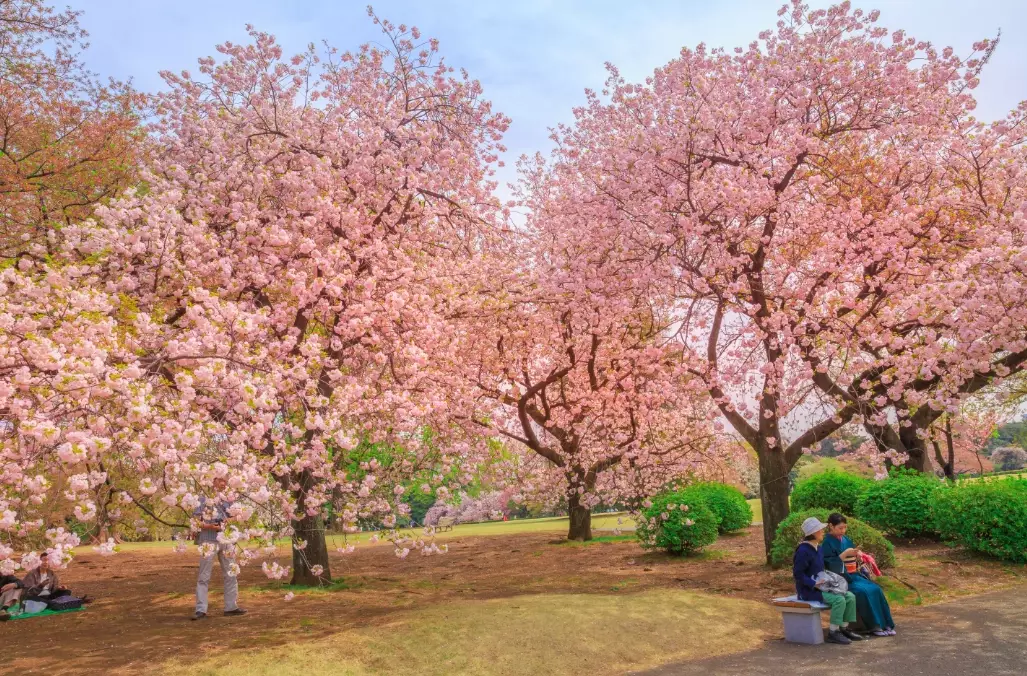
This is my top recommendation for a first-timer. Shinjuku Gyoen isn't just a park; it's a curated collection of landscapes. You've got the formal French Garden, the sweeping English Landscape Garden, and of course, the traditional Japanese Garden with its ponds and teahouses. It's famous for cherry blossoms, sure, but its secret power is autumn. The maple trees here put on a show that rivals any in Kyoto, with far fewer people. The grass is actually meant for sitting on—a rarity in Japan—so pack a picnic.
Need to Know: Entry is 500 yen. It's open 9:00 AM to 4:30 PM (last entry at 4:00 PM), closed Mondays. The nearest stations are Shinjuku-gyoemmae (Exit 1) or Sendagaya. From Shinjuku Station's south exit, it's about a 10-minute walk. Get there early, especially on weekends.
Ueno Park: The Cultural Powerhouse
Ueno Park feels like a festival. It's massive, crowded, and packed with museums (like the Tokyo National Museum and National Museum of Nature and Science), a zoo, and the beautiful Benzaiten shrine on its island in Shinobazu Pond. The cherry blossom scene here is legendary and insanely busy, with hundreds of people having hanami parties. Honestly, if you hate crowds, visit Ueno Park on a weekday morning outside of sakura season. Its charm is in its vibrant, slightly chaotic energy.
Access tip: The park itself is free, but you pay for each attraction inside. It's directly outside Ueno Station. Open 24 hours, but the attractions have their own hours.
The Imperial Palace East Gardens: A Taste of History
This is the part of the Imperial Palace grounds open to the public. It's more historical garden than sprawling park. You'll see the ruins of the old castle keeps, meticulously maintained Japanese-style gardens, and get that iconic view of the Nijubashi bridge. It's serene and feels very official. Don't expect wide lawns or picnic spots. It's for a contemplative stroll through Japanese history and landscaping precision.
Free entry. Open 9:00 AM to 4:00/5:00 PM (seasonal), closed Mondays and Fridays. Enter from the Otemon gate, a short walk from Tokyo Station or Otemachi Station.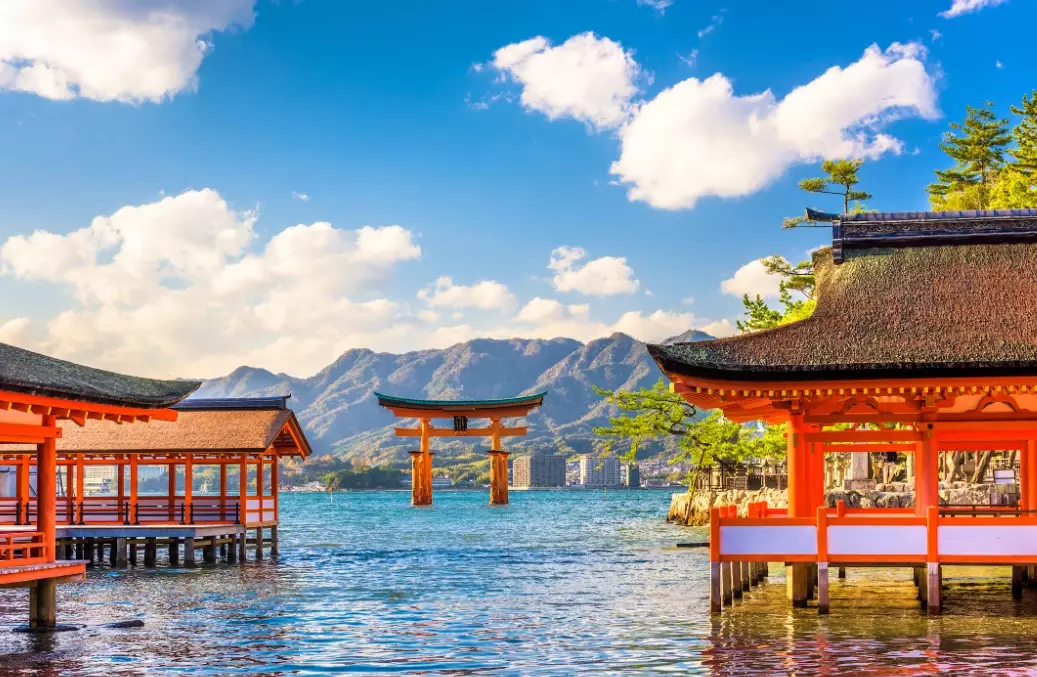
Kyoto's Garden Masterpieces
In Kyoto, gardens are philosophical statements. They're often attached to temples and shrines, requiring an admission fee, but you're paying for a world-class artistic experience.
Kinkaku-ji (The Golden Pavilion) Garden
The pavilion itself is stunning, but the garden design is what makes the visit. The way the pond reflects the gold, the carefully placed islands and stones—every angle is composed. It's always crowded, there's a set path, and you'll be done in 40 minutes. Is it worth it? Absolutely, once. Go right at opening to beat the worst of the tour groups.
Logistics: 400 yen entry. 9:00 AM to 5:00 PM. Take Kyoto city bus 101 or 205 from Kyoto Station. It's in the northwest part of the city.
Ryoan-ji Temple Rock Garden
The ultimate Zen experience. Fifteen rocks arranged in raked white gravel, viewed from a veranda. You can sit and stare, trying to see all 15 rocks at once (spoiler: you can't from any single vantage point). The silence here, even with people around, is profound. The surrounding moss garden and pond are equally beautiful and often overlooked. I prefer this to Kinkaku-ji for its meditative quality.
500 yen entry. 8:00 AM to 5:00 PM (Mar-Nov), 8:30 AM to 4:30 PM (Dec-Feb). It's a short walk from Ryoan-ji Station on the Keifuku Kitano Line, or a bus ride from central Kyoto.
Arashiyama Bamboo Grove & Tenryu-ji Temple Garden
This is a two-for-one. The Bamboo Grove path is technically a public road, free and open 24/7. It's magical early in the morning (before 8 AM) when it's quiet. Right next to it is Tenryu-ji, a UNESCO World Heritage site. Its garden, designed by the master Muso Soseki, is a "shakkei" (borrowed scenery) masterpiece, incorporating the Arashiyama mountains into its design. Pay the extra fee to enter the garden itself, not just the temple building.
Tenryu-ji Garden entry is 500 yen (800 yen for temple + garden). Temple open 8:30 AM to 5:00 PM. Access via the JR Saga-Arashiyama Station or the Keifuku Railway.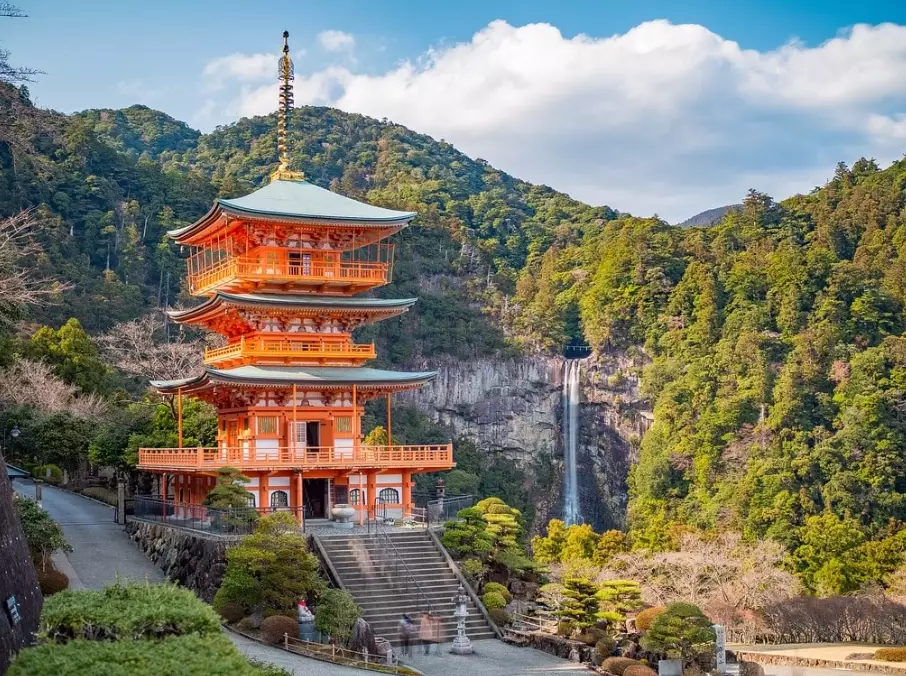
Beyond Kanto & Kansai: National Treasures
If you're traveling further, these parks offer completely different experiences.
Kenrokuen Garden (Kanazawa)
Considered one of Japan's "Three Great Gardens" (alongside Kairakuen in Mito and Korakuen in Okayama). Kenrokuen is a strolling garden from the Edo period that showcases the six attributes of a perfect landscape: spaciousness, seclusion, artifice, antiquity, water, and panoramas. It's spectacular in every season—snow-laden pines in winter, plum and cherry blossoms in spring, greenery in summer, and fiery colors in autumn. Kanazawa is less crowded than the main tourist circuit, making the experience more relaxed.
320 yen entry. 7:00 AM to 6:00 PM (hours extend in summer, shorten in winter). A short bus ride from Kanazawa Station.
Miyajima's Momijidani Park (Near Hiroshima)
While Itsukushima Shrine is the star, Momijidani (Maple Valley) Park, leading up to the ropeway, is a stunning natural gorge filled with hundreds of maple trees. Visit in late November for one of Japan's best autumn color displays. It's a natural, wooded park, contrasting with the meticulously manicured gardens elsewhere.
Free. Access via ferry from Miyajimaguchi Station to Miyajima Island. The park is a 15-minute walk from the ferry pier.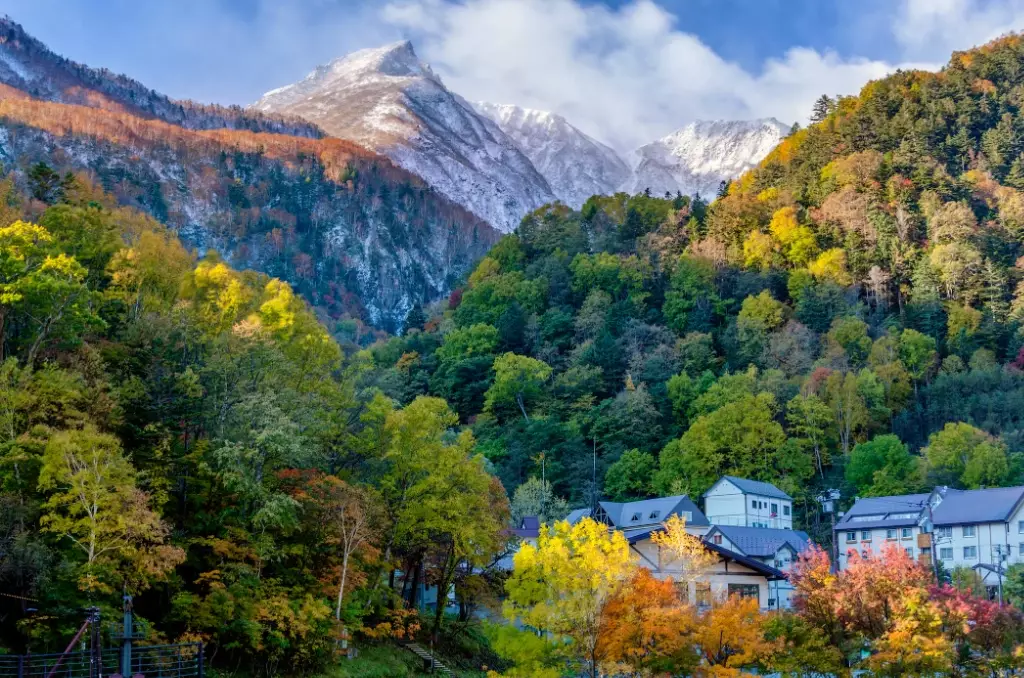
How to Plan Your Park Visits Like a Pro
Here’s a quick comparison to help you decide based on your trip style. For the most accurate and current information, always check the official websites (like the Japan National Tourism Organization or individual park sites) before you go.
| Park Name | Best For | Entry Fee | Key Access Station | Time Needed |
|---|---|---|---|---|
| Shinjuku Gyoen | All-season beauty, picnics, variety | 500 yen | Shinjuku-gyoemmae | 2-3 hours |
| Ueno Park | Museums, cherry blossom parties, lively vibe | Free (pay per attraction) | Ueno | Half to full day |
| Kinkaku-ji Garden | Iconic photo, classic landscape | 400 yen | Kinkaku-ji Michi (Bus) | 45-60 mins |
| Ryoan-ji Rock Garden | Zen contemplation, unique design | 500 yen | Ryoan-ji | 45-60 mins |
| Kenrokuen Garden | Peak Japanese garden artistry, all seasons | 320 yen | Kanazawa Station (then bus) | 1.5-2 hours |
A common mistake I see? Trying to cram too many garden visits in one day. You'll get garden fatigue. Pick one or two per day, max. Pair a morning garden visit with a nearby cultural site or neighborhood exploration in the afternoon.
Always have cash for entrance fees. While major tourist spots might take IC cards (like Suica) now, many still only accept yen.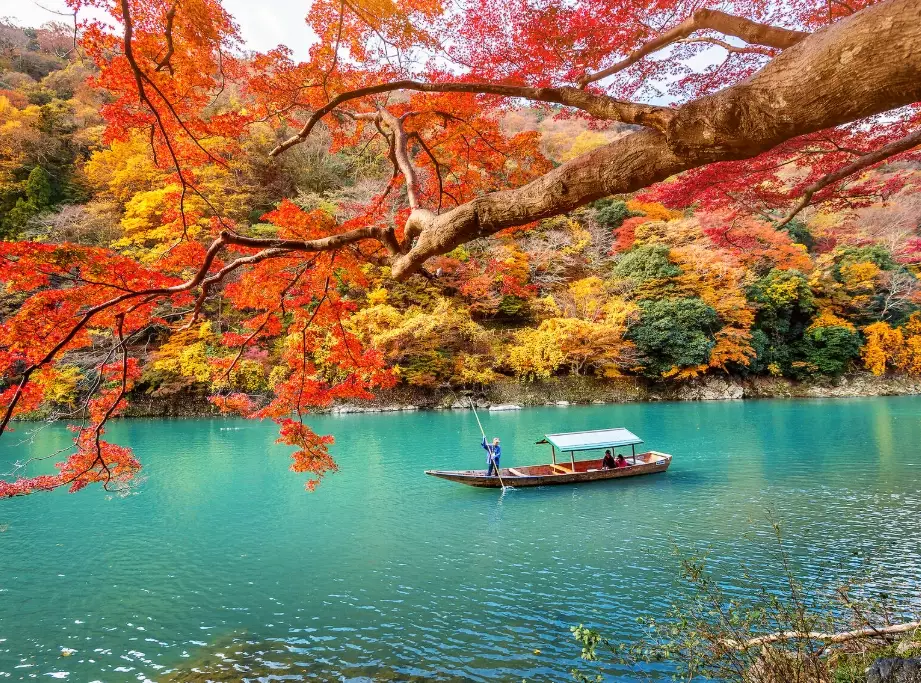
Your Japan Park Questions Answered
 What's the biggest mistake tourists make when visiting Japanese parks and gardens?
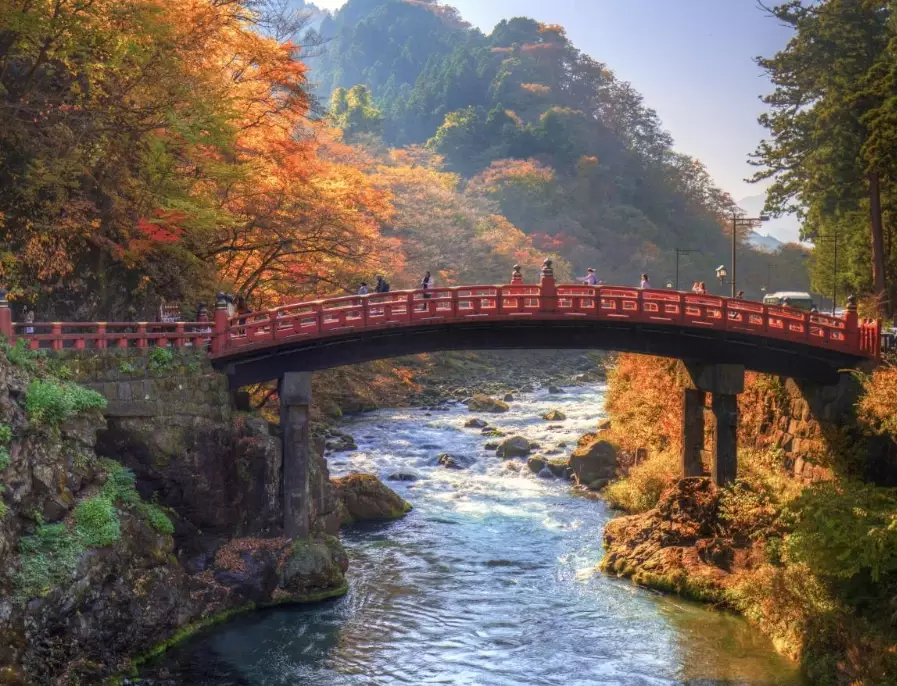 Japan's famous parks are gateways to understanding the country's soul—the respect for nature, the pursuit of harmony, and the celebration of fleeting beauty. They're not just items on a checklist but places to slow down, observe, and breathe. Pick the ones that match your pace, respect the rules, and you'll discover why these green spaces are truly among Japan's greatest treasures.


Share Your Thoughts