Let's be honest. You're here because you've heard the name Yamazaki. Maybe you've seen a bottle behind a bar, impossibly expensive. Maybe you've read about it winning awards. Or perhaps you just love whisky and a trip to Japan sounds perfect. Whatever brought you, you're curious about the place where it all started.
Yamazaki Distillery isn't just a factory. It's the birthplace of an entire industry. Walking its grounds feels like stepping into a living history book of Japanese craftsmanship. But visiting? That's where things get tricky. The hype is real, the crowds are real, and the booking process is a test of patience.
I've been through it all—the frantic online booking, the train ride from Kyoto, the moment you first smell the angel's share in the aging cellar. I've also made the mistakes so you don't have to. This guide cuts through the romance and gives you the straight story on how to experience Yamazaki Distillery, not just see it.
Your Journey Starts Here
Inside Japan's First Distillery: More Than Just a Tour
Shinjiro Torii founded the distillery in 1923. Think about that date for a second. The ambition was staggering—to create a whisky suited to the Japanese palate in a land with no whisky tradition. He chose Yamazaki, a small town between Kyoto and Osaka, for a reason most tours gloss over: the water.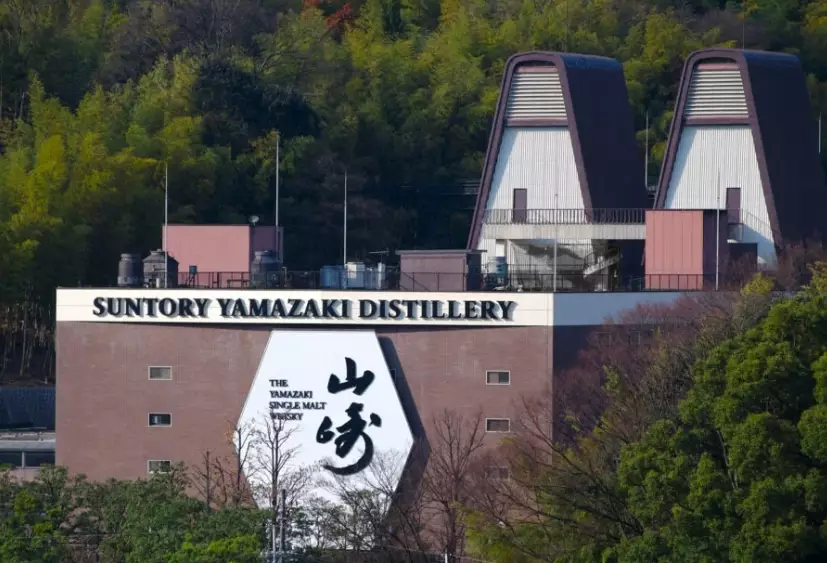
The water from the nearby mountains is famously soft and mineral-rich. It's the same reason the area has been a center for tea ceremony and sake brewing for centuries. Torii wasn't just building a distillery; he was tapping into a centuries-old vein of Japanese refinement.
The tour takes you through the classic process, but the magic is in the details they point out.
The Parts Most People Miss
Everyone takes a photo of the giant copper pot stills. They're beautiful, each with a different shape (neck angle, bulge) that influences the final spirit's character. But lean in and look at the wood-fired boiler still in operation. It's a direct link to the distillery's early days, creating a heavier, more complex vapor. You can smell the difference—it's earthier, more robust.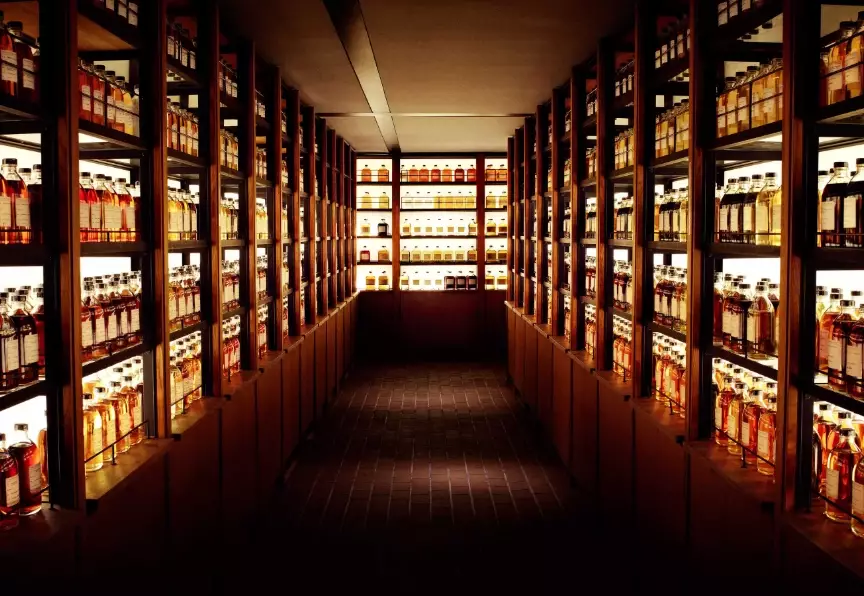
Then there's the cask aging warehouse. The smell hits you first—sweet, woody, profound. They'll let you taste whisky directly from a cask. This isn't the polished product in the bottle. It's raw, powerful, and unforgettable. Pay attention to the markings on the casks: American white oak, Spanish oak, the precious Mizunara oak. This is where the real alchemy happens.
Yamazaki Distillery at a Glance
Address: 5-2-1 Yamazaki, Shimamoto-cho, Mishima-gun, Osaka 618-0001, Japan. Don't let the Osaka prefecture fool you—it's closer to Kyoto.
Nearest Station: Yamazaki Station (JR Tokaido Main Line). It's a 10-15 minute walk through a quiet, semi-residential area. Look for the signs with the little whisky barrel icon.
Standard Tour Hours: Tours run at set times, usually between 10:00 AM and 3:30 PM. The facility itself is closed on Mondays (or Tuesdays if Monday is a holiday) and over the New Year period. Always, always confirm on the official Suntory website.
Tour Cost: The basic "Yamazaki Distillery Tour" is 1,000 yen (about $7 USD). It includes the tour and a tasting of two selected whiskies. More premium tasting tours cost more.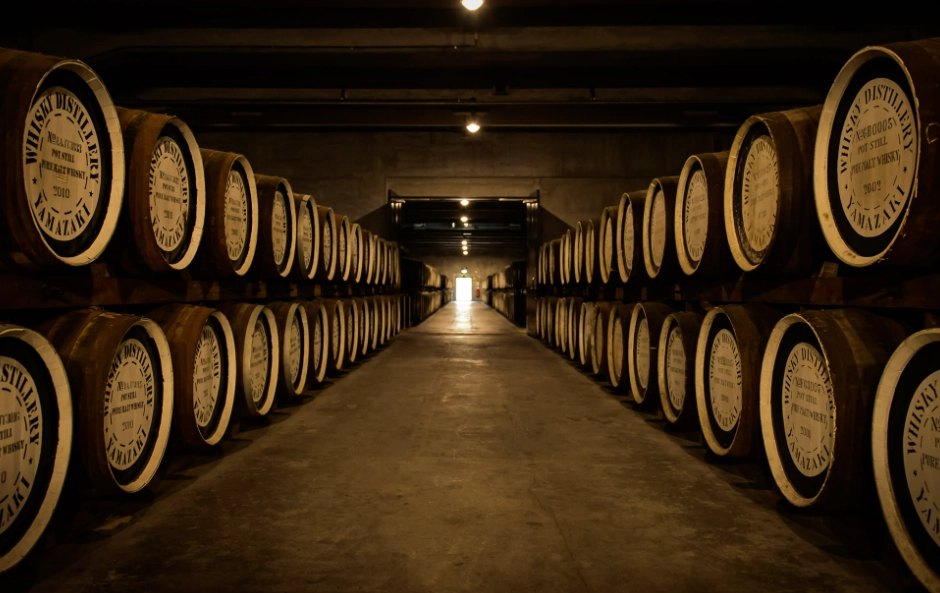
How to Visit Yamazaki Distillery: A Step-by-Step Plan
This is the practical part. Fail here, and your trip is a non-starter.
Step 1: The Booking Battle
Reservations open at 10:00 AM Japan Standard Time on the first day of the month, for visits two months ahead. Want to visit on July 15th? You need to book on May 1st at 10 AM JST sharp.
The English tour slots are the first to vanish, sometimes within 2-3 minutes. Have your account created on the Suntory website beforehand. Be logged in, credit card ready. Use an auto-refresh browser extension. It feels extreme, but it's necessary.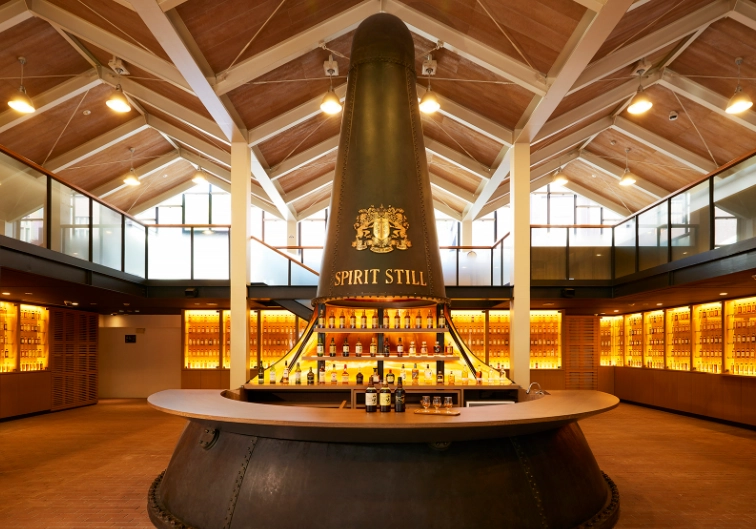
If you strike out, all is not lost. You can still visit the free museum (the "Whisky Museum") and the shop. You can also pay for a tasting flight at the bar without a tour reservation. It's not the full experience, but it's something.
Step 2: Getting There Without the Stress
From Kyoto Station, take the JR Tokaido Line towards Osaka. Local trains take about 25 minutes. The rapid service takes about 15 minutes. Get off at Yamazaki Station. The walk is pleasant and well-signposted.
Come early. Even with a tour ticket, arriving 30 minutes before gives you time to explore the museum at your own pace. The museum is small but excellent—it houses historical documents, old bottles, and explains the science in an accessible way.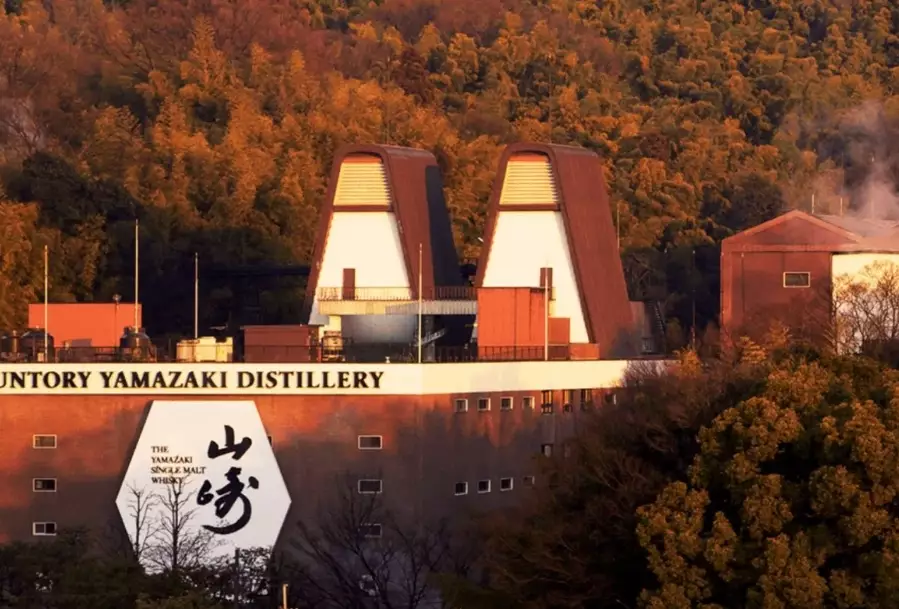
Tasting Yamazaki Whisky: What You're Actually Drinking
The tasting at the end of the tour is the payoff. They'll usually serve you two core expressions. Here’s what your palate should be looking for, beyond "this is good."
| Expression | What's In The Glass | The Expert Takeaway |
|---|---|---|
| Yamazaki Distiller's Reserve | No age statement. A vatting of young whiskies from wine casks and older Mizunara oak whiskies. | This is the distillery's business card. It's designed to showcase the house style immediately: red berry fruit from the wine casks, a creamy vanilla base, and that signature Mizunara sandalwood and coconut whisper at the finish. If you get only one note, make it the Mizunara spice. |
| Yamazaki 12-Year-Old | The classic. Matured in American, Spanish, and Japanese Mizunara oak casks. | This is where the harmony happens. The youthfulness of the Distiller's Reserve mellows into deep honey, dried fruit, and a richer oak influence. The Mizunara is more integrated. The mistake is to think older is always better. The 12-Year-Old is a masterpiece of balance—it's the reference point. |
| Single Malt Whisky "Cask Style" (often a tasting bar option) | Bottlings showcasing a single cask type: Spanish Oak, Puncheon, Peated Malt, etc. | This is your education. Tasting a pure Spanish oak Yamazaki side-by-side with a Puncheon (a larger American oak cask) shows how the wood drives flavor more than anything else. The Spanish oak is all dried fruit and Christmas cake. The Puncheon is lighter, creamier. It changes how you think about whisky. |
Don't just knock it back. Add a few drops of the provided water. In Yamazaki whisky, water doesn't just dilute; it opens up new aromatic compounds, especially from the Mizunara oak, releasing more incense and floral notes. Try it neat, then with water. The difference is a lesson in itself.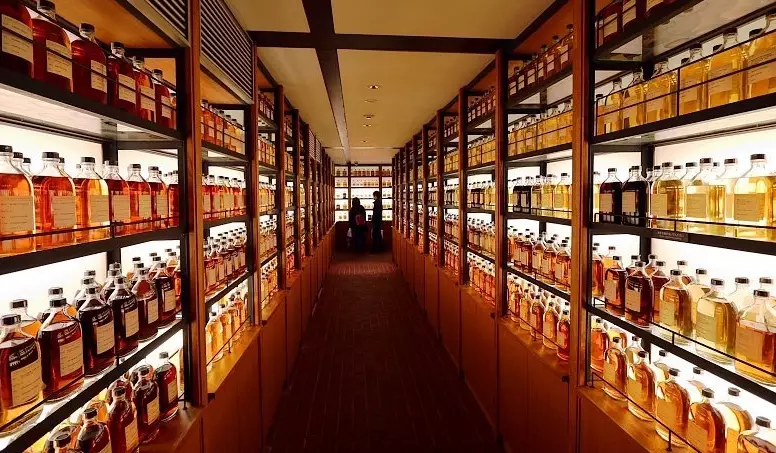
What to Buy (And What to Skip) at the Distillery Shop
The shop is a temptation. Keep a clear head.
Do Buy: The distillery-exclusive bottles. These are single malts or blends you can only get here. They often have unique cask finishes or special vattings. They're not cheap, but they're truly unique souvenirs. The Yamazaki Single Malt Sherry Cask (when available) is legendary. Also, consider the small 180ml bottles of their core range—perfect for gifts or a later tasting memory.
Maybe Skip: The standard Yamazaki 12-Year-Old or Hakushu 12-Year-Old. If you see them, they'll be at MSRP, which is great. But they are heavy to carry and available (though often marked up) at duty-free and specialty stores worldwide. Use your luggage space for the exclusives.
Fun Grab: Whisky-inspired goods. The Yamazaki soda (non-alcoholic) is surprisingly delicious. The chocolates, cake, and even whisky-scented soap make for quirky, light-weight gifts.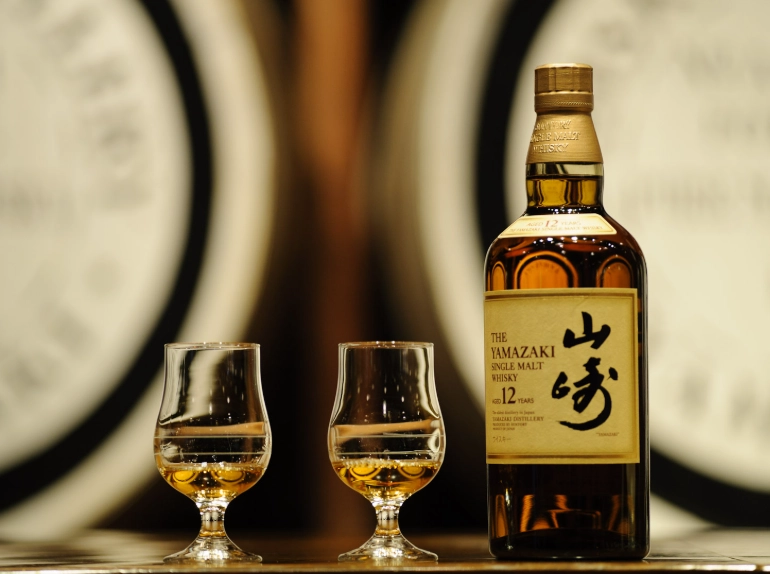
The Real Questions: Your Yamazaki FAQ Deep Dive
Walking out of Yamazaki Distillery, you carry more than just a shopping bag. You carry the scent of oak and fermentation, the memory of that cask-strength taste, and an understanding of why this place started a revolution. It's not a slick corporate tour—it's a pilgrimage to the source. Plan well, pay attention, and that first sip of Yamazaki you have back home will taste completely different.

Share Your Thoughts