That's the question every visitor to Tokyo's winter illumination festival asks themselves. You've seen the pictures – millions of lights, sprawling installations, and promises of a magical evening. But then you think about the ticket price (around ¥2,500-¥3,000 for adults), the time it takes to get there (often an hour or more from central Tokyo), and the inevitable crowds. So, is the Tokyo Mega Illumination actually worth it? The short answer is: it depends entirely on what you're looking for. For some, it's an unforgettable spectacle. For others, it might be a crowded, overpriced disappointment. Having visited similar large-scale light shows in Japan and abroad, let's cut through the marketing hype and look at what you're really paying for.
What's Inside This Review?
The Quick Verdict: Pros vs. Cons
Let's be brutally honest. No review that just lists features is helpful. You need a clear breakdown of the good, the bad, and the ugly to decide if this is for you.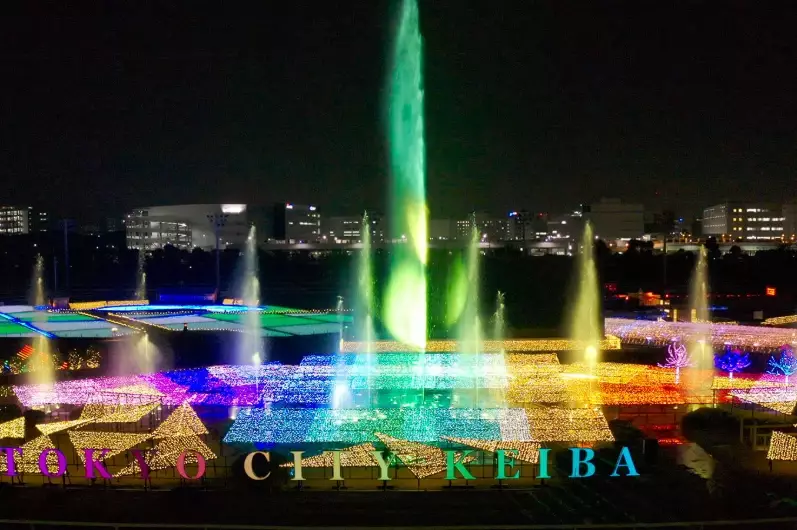
The Good (What Makes It 'Mega')
- Sheer Scale: The word 'Mega' isn't an exaggeration. We're talking about multiple hectares of parkland transformed. It's not just a few trees lit up; it's entire gardens, forests, and pathways covered in themed lights. The official website often lists the total number of lights (in the millions), and it's usually accurate. The scale is genuinely impressive and feels different from smaller, local illuminations.
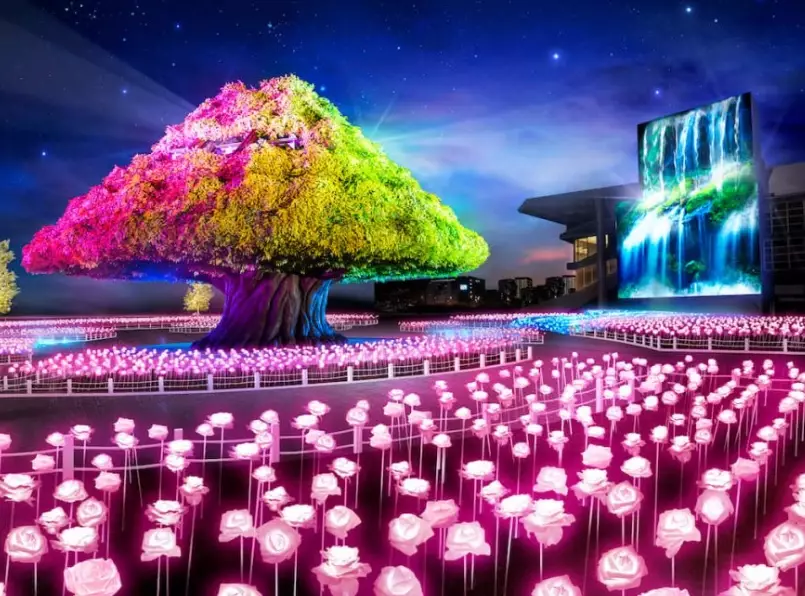
- Theme and Craftsmanship: The themes change annually (e.g., 'Fantasy Ocean', 'Galaxy of Flowers'), and the production value is high. These are not just static lights; expect moving elements, synchronized music in some zones, and intricate installations that are clearly designed with Instagram in mind (but in a good way).
- Photo Opportunities: This is a photographer's dream, if you know where to look. More on that later.
- Evening Out Atmosphere: There's a festive, almost carnival-like atmosphere with food stalls, sometimes light shows, and a general sense of occasion. It's a proper 'go out and do something' evening event.
The Bad (The Potential Downsides)
- The Price: Yes, the tickets are expensive. An adult ticket can cost around ¥2,800-¥3,200. Children are cheaper, but family costs add up. You need to view this not just as an entrance fee, but as the price for a 2-3 hour outdoor winter experience. Compared to a movie or dinner, it might hold up. Compared to free public illuminations in Tokyo? That's a different calculation.
- The Crowds: This is the biggest make-or-break factor. If you go on a weekend evening, especially around the peak hours of 6-8 PM, you will be sharing the experience with thousands of others. This can mean queues for popular installations, difficulty getting clean photos, and a generally crowded feel.
- The Location and Transport: Most 'Mega' illuminations are not in central Tokyo. They are in parks like Yomiuriland or Hikarigaoka or Showa Kinen Park. This means a train ride, often followed by a shuttle bus or a walk from the station. Factor in at least 60-90 minutes of travel time each way from central Tokyo stations like Shinjuku or Tokyo Station.
- Weather: You are outdoors in winter. It will be cold. Possibly damp or even rainy. Dressing appropriately is non-negotiable.
How to Save Money on Tickets (A Common Mistake)
Here's a mistake I see every year: people buying tickets at the gate. The on-the-day gate price is almost always the highest. Here are your real strategies:
1. The Online Advance Purchase: This is the golden rule. Almost every major illumination offers a discount of around ¥200-¥500 for tickets purchased online at least one day in advance. Sometimes, these are called 'Web Price' tickets. They also often come with a designated entry time window, which can help you avoid the longest queues for general admission.
2. Combo Tickets: If the illumination is held within a larger amusement park (which is common), check if there's a 'park + illumination' combo ticket. Sometimes, if you enter the park in the late afternoon, you can get a discounted evening illumination ticket. This requires planning but can save money.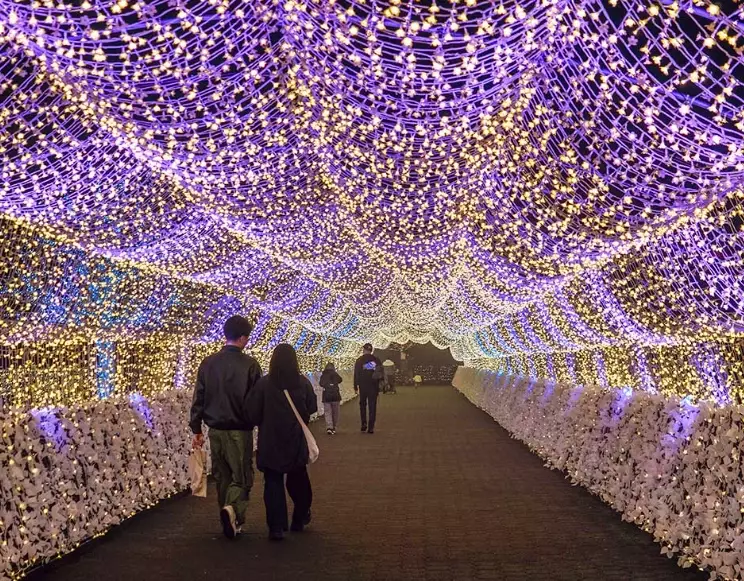
3. Group Discounts: These exist but are rarely advertised to international tourists. Look for terms like "団体" (dan-tai) which means group. Often, a group is considered 15 or more people. However, some travel agencies or even your hotel might offer group rates if you ask. It's always worth inquiring.
4. The 'Weekday' vs. 'Weekend' Price Myth: Some places do have slightly cheaper weekday tickets, but the real saving is not the ticket price itself. It's the potential saving on transportation (less crowded trains) and overall experience.
The Absolute Best Time to Visit (And When to Avoid)
This is not just about picking a date; it's about picking a time.
The Absolute Best Time: Weekdays (Monday through Thursday) are the obvious choice. But here's a more nuanced tip: Go on a weekday, but aim for the opening hour. Most illuminations start at 4 PM or 5 PM. Be there at opening. Why? The light is at its best for photography during the first hour (the transition from daylight to dusk). The crowds are thinnest. You can see the main installations and then decide if you want to stay longer.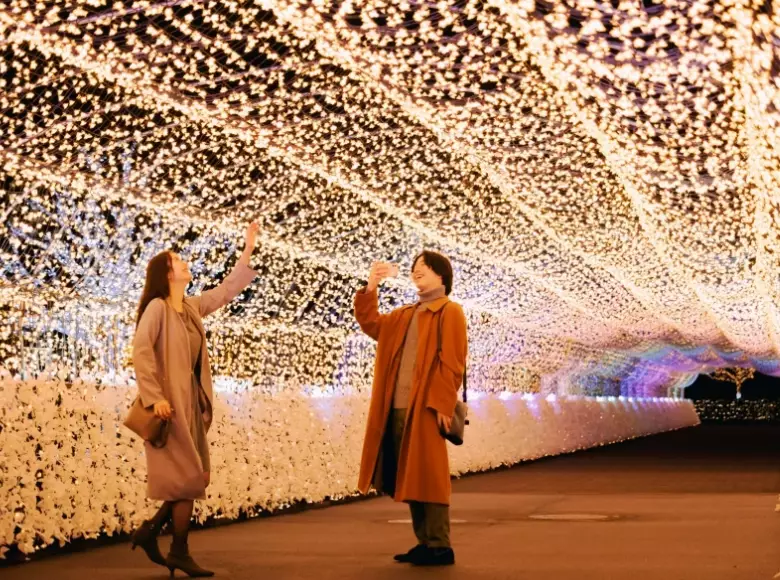
The Second-Best Time: If you must go on a weekend, go on a Sunday. Saturdays are statistically the busiest. Sunday evenings, especially after 7 PM, often see a slight drop in attendance as weekend visitors start to head home.
The Worst Time: A Saturday evening between 6-8 PM. This is the absolute peak. If you find yourself in this situation, my advice is to abandon the main entrance flow immediately. Don't follow the crowd from the station to the main gate. Look at the park map (usually available online or at the entrance) and identify a secondary entrance or a less popular area of the park. Go there first. You can always circle back to the main attractions later, but you'll avoid the initial crush.
Photo Tips Most People Miss
Everyone gets the same shot of the main tunnel or the giant tree. Here's how your photos can look different:
1. Avoid the Direct Flash Look: Turn off your phone's flash. Seriously. The ambient light from millions of LEDs is usually enough. Using flash will often wash out the colors and create harsh shadows. Instead, increase your camera's ISO sensitivity slightly (if you know how) or use the 'night mode' or 'pro mode' on your phone to let it capture more light.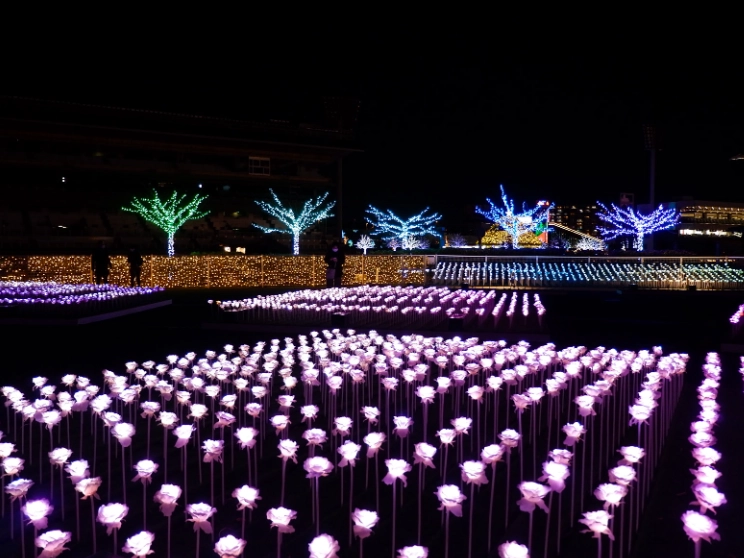
2. Look for Reflections: Is there a pond, a puddle from a recent rain shower, or even a glossy decorative surface? Use it. These reflections can double the impact of your photo and create a unique composition.
3. Frame with Natural Elements: Instead of taking a head-on shot of an installation, can you position it so that it's framed by a tree branch, an archway, or even other people (out of focus, as bokeh)? This adds depth and context.
4. The 'Blue Hour' Secret: Most people aim to go when it's fully dark to see the lights. A pro tip is to arrive about 30-45 minutes before official sunset time. This gives you a window where the sky is a deep, rich blue, not pitch black. Your photos will have a beautiful natural background, and the lights will still pop against it, without the harsh contrast of a black sky.
How to Avoid the Worst Crowds
This is crowd psychology 101. Most visitors follow a predictable pattern:
- They arrive by train.
- They follow the signs from the station.
- They enter through the main gate.
- They turn right (or follow the main flow).
You can use this to your advantage. If the layout is a loop, go left (counter-clockwise). Most people are right-handed and tend to turn right instinctively. By going left, you often encounter the same installations but in reverse order, with significantly fewer people in front of you for the first 30-45 minutes of your visit.
Another strategy: once inside, don't head for the central, most advertised display first. Look at the map. Are there any installations along the perimeter or side paths? Go there first. The main crowd will take at least an hour to fully disperse into the park, giving you a head start on the less crowded areas.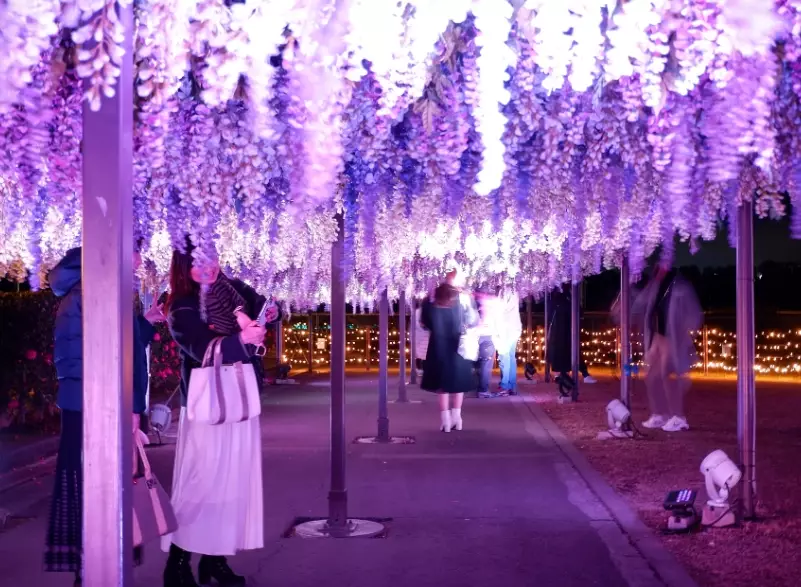
Final Verdict: Who Should Go, and Who Might Want to Skip
So, after all this, is the Tokyo Mega Illumination worth it? Here's my final breakdown:
You Should Go If:
- You are a photographer looking for unique and spectacular shots.
- You are a family with older children or adults who genuinely enjoy light displays and festive atmospheres.
- You are a couple on a date night and want a visually impressive, 'wow-factor' setting.
- You have already planned your Tokyo itinerary and this fits conveniently into an evening near where you're staying.
- You view the ticket price as the cost for a 2-3 hour outdoor entertainment experience, not just an entrance fee.
You Might Want to Skip or Reconsider If:
- You are traveling with very young children (under 3-4 years old) who have early bedtimes or are easily overstimulated by crowds, lights, and noise.
- You have a very tight budget and are comparing this strictly against other free or low-cost activities.
- You have mobility issues and the venue has not been confirmed as fully wheelchair accessible (always check the official website in advance).
- You hate crowds and cannot avoid going on a weekend or peak holiday evening.
The Tokyo Mega Illumination is not a tourist trap. It's a well-executed, large-scale professional light show. Its value depends almost entirely on your timing, planning, and personal tolerance for crowds and cost. If you go on a quiet weekday, plan your tickets and transport in advance, and manage your expectations for a crowd, you will likely have a memorable and positive experience. If you go on a Saturday night at peak time with no planning, you will likely leave feeling it was overpriced and overcrowded. The choice, ultimately, is yours.

Share Your Thoughts