In This Guide
- Why Bother Climbing This Mountain Anyway?
- Timing is Everything: When to Go (And When to Run the Other Way)
- Picking Your Path: The Four Main Mount Fuji Hiking Trails
- Gearing Up: What to Actually Put in Your Pack
- The Nuts and Bolts: Money, Huts, and The Sunrise Plan
- A Step-by-Step Walkthrough of a Typical Overnight Hike
- Questions You're Too Afraid to Ask (But Everyone Wonders)
- Wrapping It Up: Final Thoughts Before You Go
Let's cut to the chase. Hiking Mount Fuji isn't just another walk in the park. It's a proper climb, a cultural pilgrimage, and for many, a once-in-a-lifetime check on the bucket list. I remember my first time staring up at that perfect cone from the Shinkansen, thinking, "How hard can it be?" Turns out, I had a lot to learn.
You're probably here because you're thinking about doing it too. Maybe you've seen the pictures, heard the stories. But between the dreamy sunrise photos and the triumphant summit shots lies a whole lot of planning, sweat, and maybe a little suffering. That's what this guide is for. I'm not here to sell you a postcard. I'm here to give you the straight talk so your Mount Fuji hiking experience is epic for all the right reasons.
Why Bother Climbing This Mountain Anyway?
It's a fair question. Japan has tons of beautiful mountains. Why is Fuji the one everyone obsesses over? Well, it's not just a mountain. It's THE mountain. A UNESCO World Heritage site, an active volcano (don't worry, it's napping), and a spiritual symbol deeply woven into Japanese art and soul. Hiking Mount Fuji is less about conquering a peak and more about joining a centuries-old tradition. You're walking the same paths pilgrims have used for generations. That feeling, especially when you pass a tiny shrine on the way up, is pretty special.
But let's be real, for most of us foreigners, it's also about the bragging rights. And the view. My god, the view.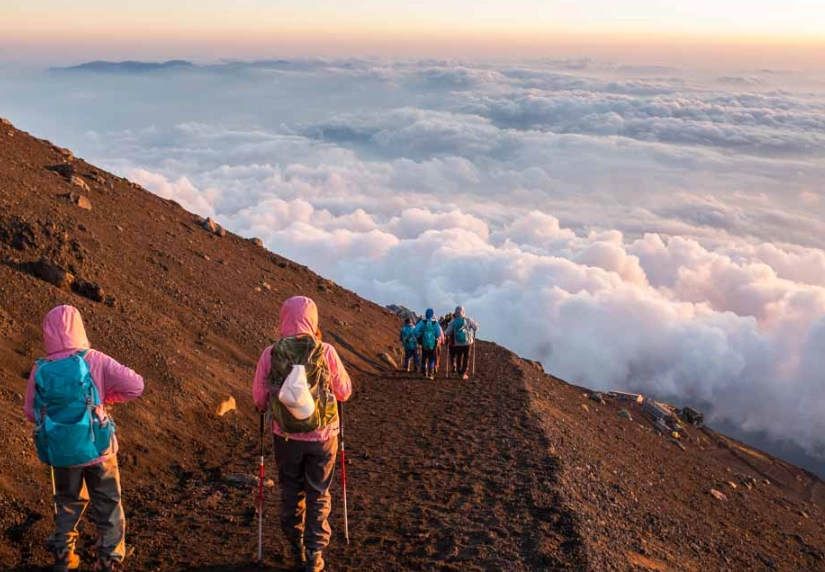
Timing is Everything: When to Go (And When to Run the Other Way)
This is the single most important decision you'll make. Get it wrong, and you're facing closed trails, blizzards, or a miserable, dangerous slog.
The Official Season: For 99% of hikers, the Mount Fuji climbing season is shockingly short. It runs from early July to early September. That's it. Just two months. The exact dates shift slightly each year based on snowmelt, and each of the four trails opens on a specific day. The official dates are posted by the local prefectural governments. You can find the most current and official opening/closing schedule on the official Mount Fuji Climbing website, which is managed by the local authorities.
Why such a short window? Safety. Outside this period, there's no mountain hut support, rescue services are minimal, and the weather can turn deadly in hours. Seriously, people die trying to climb off-season. Don't be that person.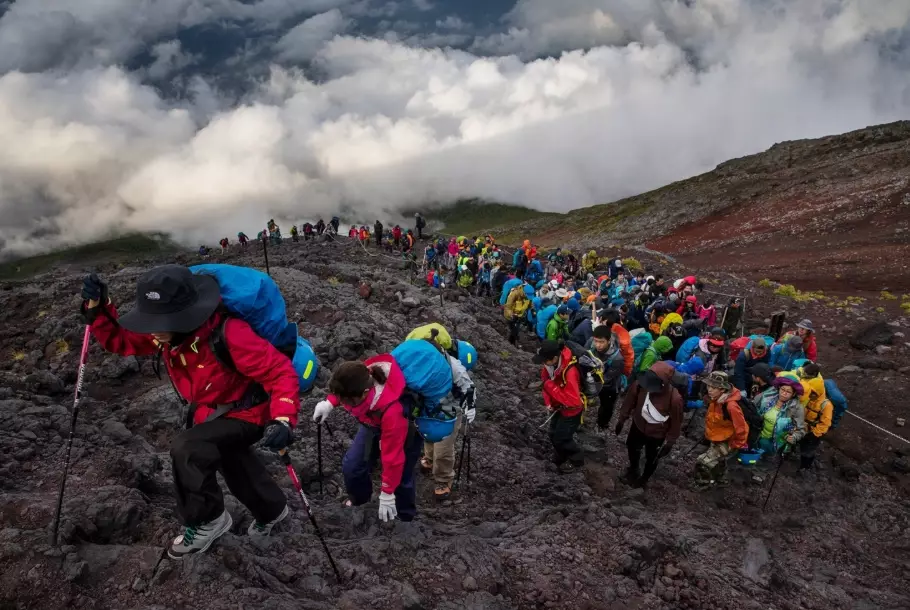
So, within that July-September window, what's the sweet spot?
- Early July: Trails just opened, maybe less crowded. But also higher chance of lingering snow patches and colder temps. Mountain huts might still be getting set up.
- Late July to Mid-August: Peak of summer. Warmest weather (relatively speaking—it's still cold up top). Also peak of crowds. Think conga line up the mountain during Obon week (mid-August). If you hate crowds, this might break you.
- Late August to Early September: My personal favorite. The summer holiday crowds have thinned, the weather is often stable, and you might even catch some early autumn colors lower down. The trade-off? Days are getting shorter, and it can be windier.
Picking Your Path: The Four Main Mount Fuji Hiking Trails
All roads lead to Rome, but not all trails up Fuji are created equal. Your choice here defines your entire hike—the crowd level, the scenery, the difficulty, and even the vibe. Let's break them down side-by-side, because a table just makes sense here.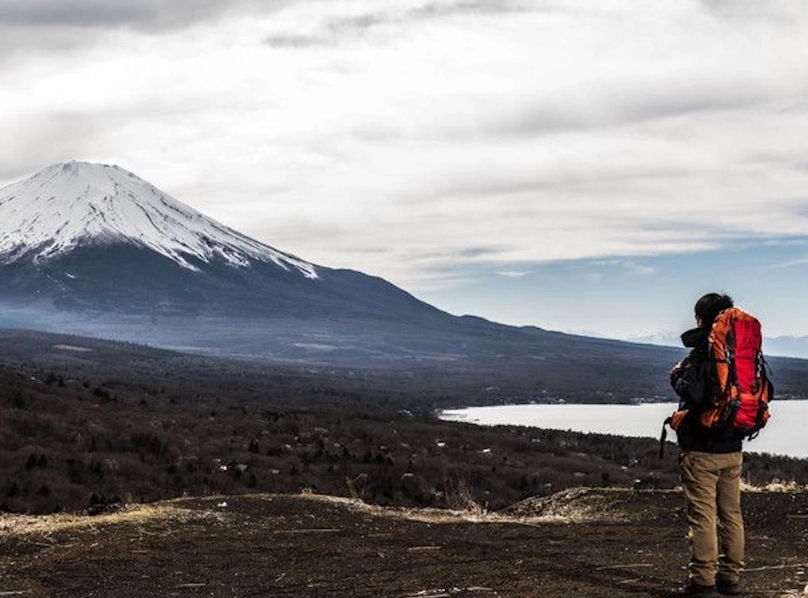
| Trail Name | Starting Point (5th Station) | Ascent Time | Descent Time | Key Features & Vibe | Best For... |
|---|---|---|---|---|---|
| Yoshida Trail | Fujisan (Yamanashi Side) | 5-7 hours | 3-5 hours | The most popular and developed. Most mountain huts, widest path, separate ascent/descent routes to manage crowds. Famous for sunrise views. | First-timers, those who want maximum facilities, sunrise seekers. |
| Subashiri Trail | Subashiri (Shizuoka Side) | 5-6 hours | Starts in beautiful forest, merges with Yoshida near 8th Station. Less crowded lower down, descent is a sandy, runnable scree slope (fun!). | Hikers who want a mix of scenery and a quicker, fun descent. | |
| Gotemba Trail | Gotemba (Shizuoka Side) | 7-9 hours | 3-4 hours | The longest, least crowded trail. Starts much lower (1,400m). Huge, sweeping views, feels more remote. Steep, sandy sections. | Experienced hikers seeking solitude and a serious physical challenge. |
| Fujinomiya Trail | Fujinomiya (Shizuoka Side) | 4-6 hours | 2-4 hours | The shortest, steepest route from a high starting point. Direct and efficient, but can feel relentlessly uphill. Gets crowded. | Fitness buffs short on time, or those coming from the Nagoya/Osaka direction. |
See what I mean? The Fuji hike difficulty varies wildly. The Yoshida Trail is like the "expressway"—well-maintained but busy. The Gotemba Trail is the "backcountry road"—long and quiet. I took the Yoshida Trail for my first climb. It felt safe and social, but yeah, there were moments I felt like I was in a queue. If I went again, I'd try Subashiri for that forest start.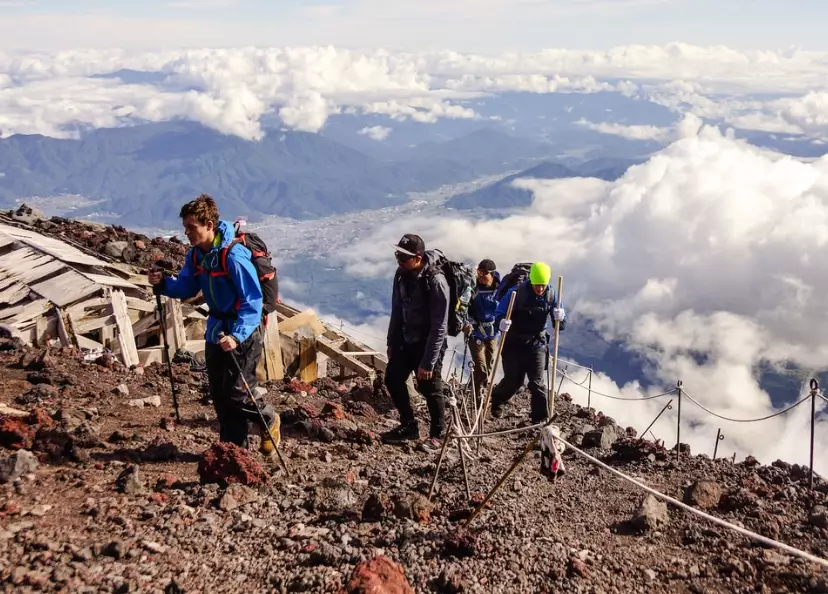
Gearing Up: What to Actually Put in Your Pack
Forget the fancy, ultralight philosophy for a second. On Fuji, being prepared trumps traveling light. The mountain's weather is notorious for changing instantly. You'll experience four seasons in one day.
The Non-Negotiable Essentials
- Sturdy Hiking Boots: Not sneakers. You need ankle support and grip for loose volcanic rock. Break them in first, or you'll have a blister festival.
- Layered Clothing: A moisture-wicking base layer, a warm fleece or down mid-layer, and a waterproof/windproof shell. The summit can be windy and cold.
- Headlamp: If you're doing a sunrise hike (most people do), you'll be hiking in the dark. Hands-free light is crucial. Bring extra batteries.
- Water & Snacks: Plan for at least 2 liters. You can buy more on the mountain, but it's expensive (around ¥500-700 per bottle). High-energy snacks like nuts, chocolate, and onigiri (rice balls) are gold.
- Cash: Cards are useless up there. You need yen for toilets (¥200-300 per use), donations at shrines, extra water, and maybe a hot drink at a hut.
- Sun Protection: The high-altitude sun is brutal. Hat, sunglasses, and strong sunscreen.
- Gloves: Your hands will get cold, and you'll be using them to scramble on rocks.
Now, here's a personal opinion: trekking poles. Some people swear by them. I brought one and ended up stowing it for half the climb because the trail was so crowded it just got in the way. On the descent, though, especially on the sandy Gotemba route, they're a knee-saver. Maybe consider collapsible ones.
The Nuts and Bolts: Money, Huts, and The Sunrise Plan
The Mountain Hut Question: To Book or Not to Book?
This keeps people up at night. The classic Mount Fuji hiking strategy is a "bullet climb" (bulletto kuraimu)—hiking through the night to reach the summit for sunrise. It's tough, it's cold, and it leads to altitude sickness for many. The smarter, more comfortable alternative is to stay in a mountain hut.
You hike up to the 7th or 8th Station in the afternoon, sleep for a few hours in a cramped dormitory (think bunk beds with strangers), then wake up around 2 am to make the final push for sunrise. It's not a luxury hotel. You get a space in a shared room, maybe a blanket, and sometimes two meals. You book these huts in advance, and they sell out fast for peak dates. Websites like Japan National Tourism Organization (JNTO) have general info, but you often need to book directly through the hut's own (sometimes Japanese-only) site or a booking platform.
Is it worth it? For a first-timer aiming for sunrise, absolutely. It breaks up the climb, helps with acclimatization, and saves you from a miserable, freezing night hike from the bottom.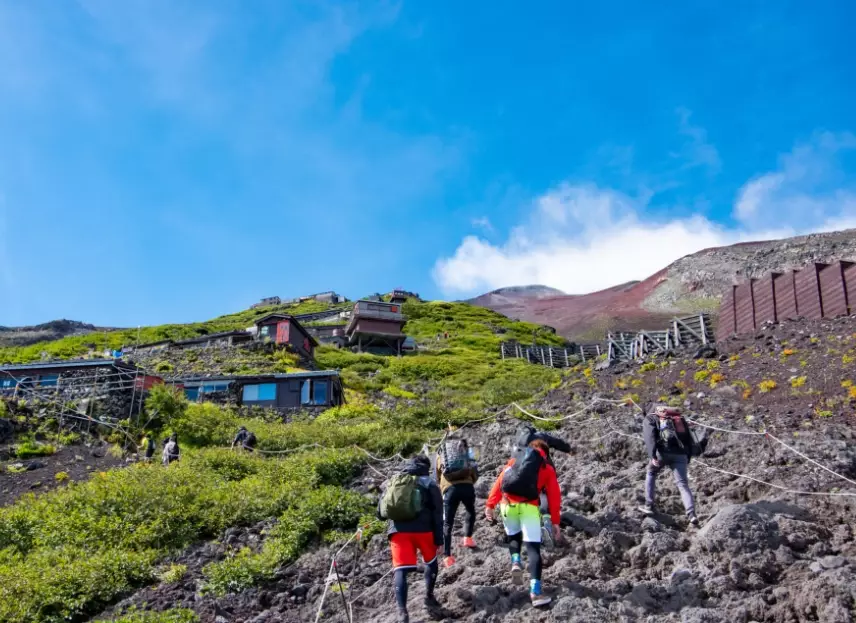
Cost Breakdown: What Will This Adventure Cost?
Let's talk numbers. Hiking Mount Fuji isn't super expensive, but costs add up.
- Transport to 5th Station: Bus from Kawaguchiko or Gotemba stations: ~¥2,000-3,000 round trip.
- Mountain Hut: ¥7,000 - ¥10,000 per person for a spot and sometimes meals.
- Food & Water on Mountain: ¥2,000 - ¥4,000 (it's pricey up there).
- Toilets: ¥200-300 per use. Budget ¥1,000.
- Donation/Souvenirs: ¥500-1,000.
- Total Estimate: Around ¥15,000-20,000 ($100-$150 USD) per person for a basic overnight trip, excluding your gear.
The Altitude Headache: This is the real buzzkill. Fuji's summit is 3,776 meters (12,389 ft). That's high enough for Acute Mountain Sickness (AMS) to hit anyone. Symptoms? Headache, nausea, dizziness, fatigue. The best prevention is to ascend slowly and acclimatize. That's another reason the mountain hut stay is smart—it gives your body time to adjust. If you feel sick, the only cure is to go down. Don't try to push through. The World Health Organization has clear guidelines on recognizing and dealing with altitude sickness—it's worth a quick read.
A Step-by-Step Walkthrough of a Typical Overnight Hike
Day 1: The Ascent & Acclimatization
Morning: Take a bus from Tokyo to Kawaguchiko Station, then another bus to the Fuji Subaru Line 5th Station (Yoshida trailhead). Arrive by noon.
Afternoon: Begin your Mount Fuji hiking adventure. The path is clear, winding up the volcanic slope. You'll pass the 6th Station, then the 7th. The air gets thinner, your pace slows. Take breaks, drink water.
Late Afternoon (4-5 pm): Arrive at your booked mountain hut around the 8th Station. Check in, claim your sleeping space. Have the provided simple dinner (often curry rice or noodles). Chat with other hikers. The vibe is tired but excited.
Evening (7-8 pm): Try to sleep. It's noisy, cramped, and you're excited, so don't expect much. Just rest.
Day 2: The Summit & The Long Way Down
Night (1-2 am): You're woken up by the hut keeper. You pack up, put on all your layers (it's cold!), grab a quick snack, and join the line of headlamps snaking up the mountain. This final push to the summit in the dark is surreal.
Pre-Dawn (4-4:30 am): You reach the crater rim. Find a spot among the hundreds of others, huddle against the wind, and wait. As the first light breaks, the sea of clouds below turns pink and gold. It's breathtaking. The famous "Goraikō" (the honorable arrival of light). Worth every step.
Morning (5-7 am): Circle the crater rim to the true highest point, Kusushi-dake. Visit the summit post office to send a postcard from the top of Japan. Have a bowl of expensive but heavenly hot ramen at the summit hut.
Late Morning (8 am onward): Begin your descent. On the Yoshida Trail, you take a separate, wide, zig-zagging path of loose scree. It's tough on the knees, boring, and feels endless. This is often the hardest part mentally.
Afternoon (1-3 pm): Stumble back to the 5th Station. Get on a bus, collapse into your seat, and sleep all the way back to Tokyo, utterly exhausted but grinning.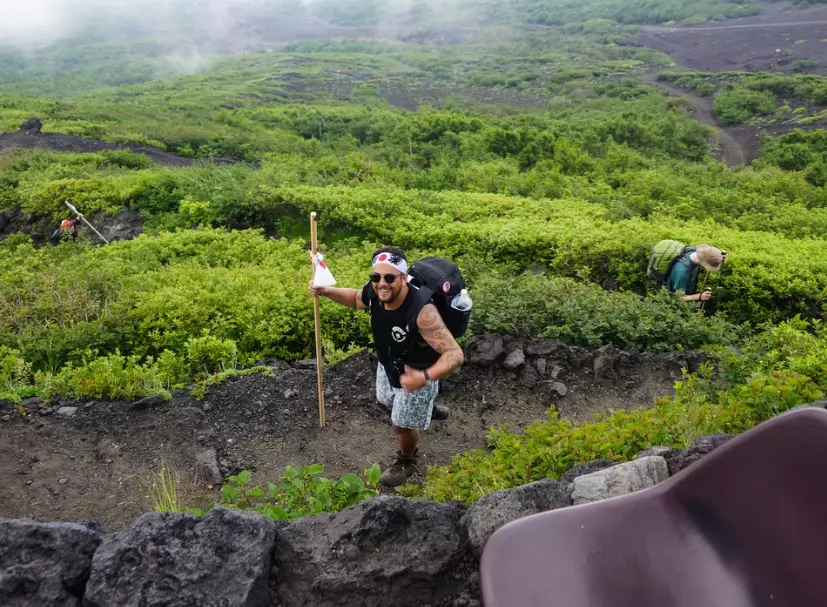
Questions You're Too Afraid to Ask (But Everyone Wonders)
Wrapping It Up: Final Thoughts Before You Go
Hiking Mount Fuji is a messy, tiring, sometimes frustrating, and absolutely magnificent experience. It's not a walk in the park, it's a climb up a volcano. Respect it, prepare for it, and it will reward you with something you'll remember forever.
Check the official sites one last time before you go. The weather on the mountain is its own beast, different from the forecast in Tokyo. The Japan Meteorological Agency website has detailed mountain forecasts that are far more reliable for planning your summit day.
So, are you ready to climb? Pack your layers, your cash, and your sense of humor. See you on the trail.
Share Your Thoughts