Quick Guide
- Why Japan is a Solo Female Traveler's Dream (and a Few Realities)
- Safety First: Navigating Japan as a Woman on Your Own
- Money Talk: Budgeting for Your Solo Japan Adventure
- Crafting Your Perfect Solo Itinerary: From 7 Days to 2 Weeks
- Navigating Culture & Etiquette Like a Pro
- Packing Smart: The Solo Female Essentials
- Your Burning Questions, Answered (FAQ)
- Final Thoughts: Taking the Leap
Let's cut right to the chase. You're thinking about traveling to Japan alone. As a woman. And your brain is probably buzzing with a mix of excitement and a thousand questions. Is it safe? Is it expensive? Will I stick out like a sore thumb? What if I don't speak Japanese?
I've been there. My first solo trip to Japan felt like a leap into the unknown. I remember standing in Shinjuku Station during rush hour, suitcase in tow, completely overwhelmed by the symphony of sounds and the river of people flowing in every direction. But here's the thing – that trip turned into one of the most empowering experiences of my life. Japan, for all its complexity, is arguably one of the best places on earth for a woman to travel solo for the first time. The mix of ancient culture and hyper-modern convenience, wrapped in a blanket of remarkable safety, is pretty hard to beat.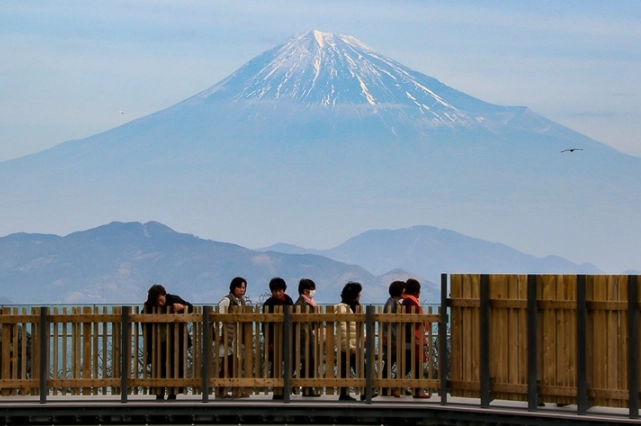
This isn't just another generic travel listicle. This is the guide I wish I'd had – packed with the nitty-gritty details, the honest downsides, and the little life-hacks that make solo female travel in Japan not just possible, but incredibly rewarding. We're going beyond the temples and sushi. We're talking safety, budgeting down to the yen, navigating social nuances, and finding those quiet moments of magic that make traveling alone so special.
Why Japan is a Solo Female Traveler's Dream (and a Few Realities)
Let's start with the good stuff, because there's a lot of it. The appeal of Japan for solo female travelers isn't an accident.
First, the safety factor. It's legendary, and for the most part, it's real. Walking back to your hotel at 11 PM in Tokyo or Kyoto often feels safer than walking in broad daylight in many other major cities. Petty crime like bag-snatching is rare. You can leave your phone on a café table to save your seat (though I don't recommend testing this too often!) and expect it to be there when you return. This baseline level of security lifts a huge mental burden, letting you focus on experiencing the place rather than constantly being on guard.
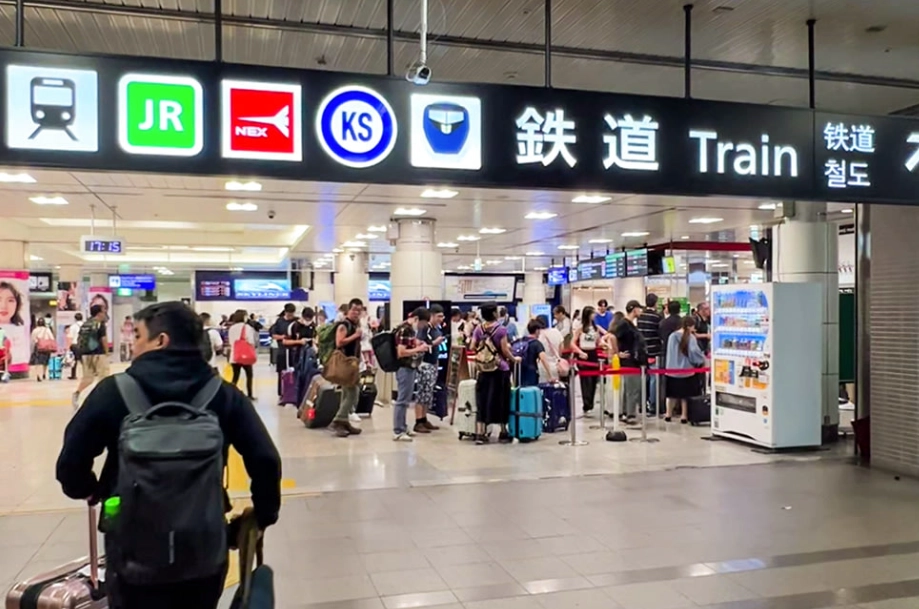
Then there's the infrastructure. Everything works. Trains are punctual to the second. Signs are clear (and often in English). Convenience stores (konbini) are lifesavers – they're clean, safe, open 24/7, and you can get a decent meal, withdraw cash, buy socks, or print a ticket at 2 AM. The entire country is built for efficiency, which is a godsend when you're navigating alone.
But. It's not all perfect. There are challenges unique to the solo female experience. The language barrier can feel thicker here than in some European countries. While signs have English, many locals, especially outside major cities and tourist hubs, speak very little. You'll rely heavily on gestures, translation apps, and patience.
There's also the social aspect. Dining alone (especially at dinner) in a traditional restaurant can sometimes draw curious looks, though this is changing rapidly. And while violent crime is low, crowded trains and subway cars can be a setting for chikan (groping). It's an uncomfortable topic, but ignoring it doesn't help anyone.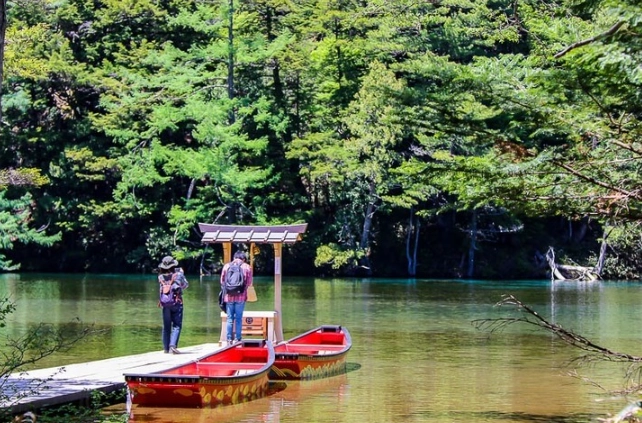
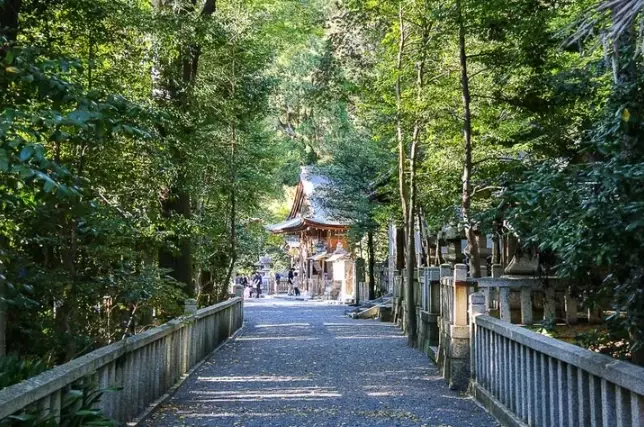
My biggest personal hurdle? The sheer density of people in cities. As someone who needs a little quiet now and then, I had to learn to seek out the pockets of peace – a hidden shrine garden, a bookstore café, a riverside path – to recharge.
So, it's a dream with a few practical hurdles. Knowing about them upfront is half the battle won.
Safety First: Navigating Japan as a Woman on Your Own
This is the number one concern, right? Let's break it down into actionable advice, not just vague reassurance.
On Public Transport
Trains and subways are the arteries of Japan. During peak hours, they are packed. Here’s your game plan:
- Women-Only Carriages: Many train lines, especially during morning and evening rush hours (typically ~7:30-9:30 AM and ~5-7 PM), designate specific cars as for women only. Look for pink signs on the platform or on the train doors themselves. Use them. They exist for a reason and offer immense peace of mind. You can find official information about these on metro websites, like the Tokyo Metro website.
- Positioning: In mixed carriages, try to stand near other women or near the train conductor's cabin (usually in the middle or end of the train).
- Trust Your Gut: If a car or a situation feels off, just move. Get off at the next stop and wait for the next train. It's never worth the discomfort.
A frank note on *chikan*: It happens, primarily in crowded spaces. It is a recognized problem. Your best defense is awareness and the knowledge that you have every right to make a scene. A loud "Yamete!" (Stop it!) or "Dame!" (No!/Bad!) will draw immediate attention and almost always make the perpetrator stop and flee at the next station. Japanese society heavily values not causing a public disturbance. You are not overreacting.
Accommodation & Night Safety
Where you stay sets the tone. I've tried everything from hostels to business hotels to ryokans.
| Accommodation Type | Pros for Solo Females | Cons & Considerations | My Personal Take |
|---|---|---|---|
| Female-Only Hostel Floors/Dorms | Affordable, social, often have great common areas and local tips. Security is usually good. | Less privacy. Can be noisy. Need to secure belongings in lockers. | Perfect for your first few nights to meet people. I made a travel buddy in a Tokyo hostel who I later met in Kyoto! |
| Business Hotels (e.g., APA, Toyoko Inn) | Extremely safe, clean, functional. Often near stations. Free breakfast is common. Rooms are solo-practical. | Rooms are famously tiny ("cozy"). Can feel impersonal. Book early, they fill fast. | My go-to for efficiency. You get a sterile but utterly reliable base. The bathroom pod is an experience. |
| Capsule Hotels | Novel experience, very Japanese, often have excellent spa facilities. | Check if they are male-only or have female-only floors. Storage can be in a separate locker room. | Try it once for the story. The one I stayed at in Osaka had a fantastic communal bath area just for women. |
| Ryokan (Traditional Inn) | Cultural immersion, incredible service, kaiseki meals, often include a private onsen. | Expensive. Rules and etiquette can be intimidating for a first-timer dining alone. | Splurge for one night in a smaller town like Hakone or Takayama. The staff are usually incredibly kind to solo guests. |
At night, standard city-smarts apply. Stick to well-lit main streets. While violent crime is rare, it's not non-existent. Avoid parks after dark. Let someone know your rough plans for the day – a quick message to a friend or family member back home.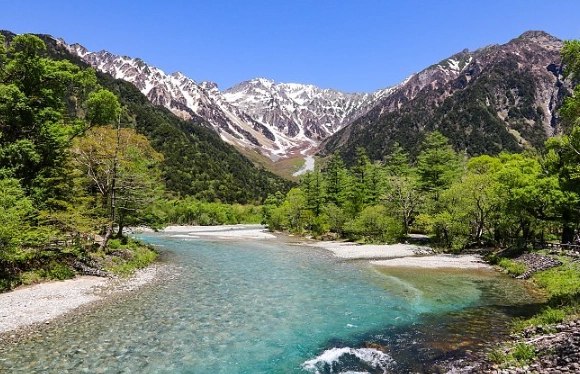
Health & Emergency Info
Japan has excellent healthcare, but navigating it can be tricky. Major cities have hospitals with English-speaking staff. It's wise to have comprehensive travel insurance. Save these numbers in your phone:
- Police: 110
- Fire/Ambulance: 119
For non-emergency medical advice in English, the Japan National Tourism Organization (JNTO) website maintains a list of medical institutions. Bookmark it.
Safety isn't just about avoiding danger; it's about feeling confident enough to fully enjoy the adventure.
Money Talk: Budgeting for Your Solo Japan Adventure
Japan has a reputation for being expensive. It can be, but it doesn't have to break the bank. The key is knowing where you can save and where to splurge. Let's talk real numbers for a solo female travel Japan budget.
Your biggest fixed costs will be flights and accommodation. Flights vary wildly. For accommodation, as a solo traveler, you're paying a premium because you're not splitting a room. Expect to pay anywhere from ¥3,000-¥4,000 per night for a hostel bed, ¥8,000-¥12,000 for a business hotel, and ¥20,000+ for a ryokan.
Now, the daily grind. Here’s a realistic breakdown for a moderate budget traveler who wants to eat well and see sights, but is happy with convenience store breakfasts and public transport.
| Expense Category | Low-End / Saving Mode (per day) | Comfortable / Moderate (per day) | Notes & Tips |
|---|---|---|---|
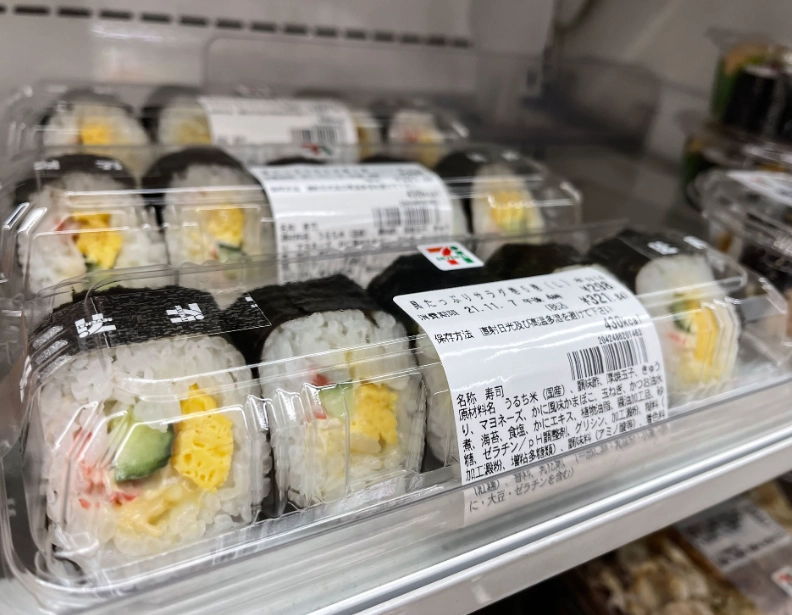
| Food & Drink | ¥2,500 - ¥3,500 | ¥4,000 - ¥6,000 | Konbini breakfast (¥500), ramen/udon for lunch (¥800-¥1,200), supermarket sushi or gyudon for dinner (¥700-¥1,000). Splurge on a nice sit-down meal every few days. |
| Local Transport | ¥800 - ¥1,500 | ¥1,500 - ¥2,500 | This is for city subways/buses. A Suica/Pasmo card is essential. For long-distance travel, a Japan Rail Pass needs careful calculation – it's often NOT worth it for a solo traveler on a single-city trip. Use the calculator on the official JR Pass site or consider regional passes. |
| Sightseeing & Activities | ¥500 - ¥1,500 | ¥1,500 - ¥3,000 | Many temples/shrines have small entry fees (¥300-¥600). Museums are more (¥1,000+). Factor in the cost of a tea ceremony, kimono rental, or a day trip. |
| Miscellaneous | ¥500 - ¥1,000 | ¥1,000 - ¥2,000 | Souvenirs, a drink at a bar, that adorable trinket from a gachapon machine, extra snacks. |
Cash or card? Japan is still a largely cash-based society, especially outside major chains in big cities. Always have yen on you. I'd withdraw ¥20,000-¥30,000 at a time from 7-Bank ATMs (found in 7-Eleven stores, which are everywhere) as they have the best international card compatibility. Inform your bank you're traveling!
My biggest budgeting hack: Department store basements (depachika). Around 7-8 PM, they start discounting their exquisite prepared foods, sushi, and bento boxes by 30-50%. You can get a gourmet feast for the price of a fast-food meal. Perfect for a picnic in your hotel room or a park.
Crafting Your Perfect Solo Itinerary: From 7 Days to 2 Weeks
One of the joys of solo travel in Japan is setting your own pace. You want to spend three hours in one museum? Go for it. Feel like ditching the plan and getting lost in a neighborhood? Do it. Here are skeleton frameworks you can flesh out.
The Classic First-Timer Week (Tokyo-Kyoto)
Tokyo (4 nights): Hit the contrasts. The futuristic buzz of Shibuya/Shinjuku, the traditional serenity of Asakusa (Senso-ji Temple), the pop-culture haven of Harajuku, and the upscale vibes of Ginza. Don't try to do it all. Pick two areas per day. A day trip to Kamakura or Nikko is fantastic if you have time.
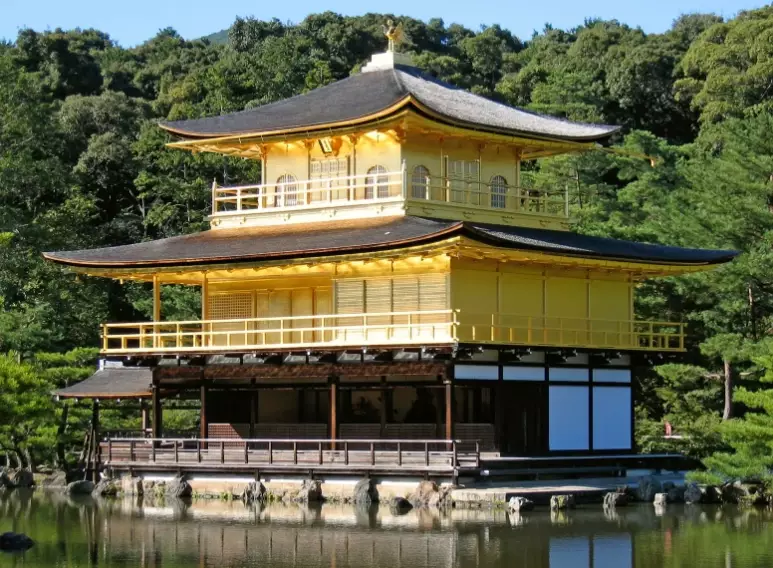
Kyoto (3 nights): The cultural heart. Arashiyama Bamboo Grove (go EARLY), Fushimi Inari Shrine (the torii gates – go up a bit to escape the crowds), Kiyomizu-dera, and Gion district. Kyoto feels slower, more spacious. Rent a bicycle – it's the best way to explore.
The Deeper Dive (10-14 Days)
Add on based on your interests:
- Osaka (2 nights): For foodies. Dotonbori is a neon-lit feast for the senses. More down-to-earth than Tokyo.
- Hiroshima & Miyajima (1-2 nights): A profoundly moving historical experience followed by the serene beauty of Itsukushima Shrine (the "floating" torii gate).
- Kanazawa (2 nights): A smaller, less-touristy alternative to Kyoto with a stunning garden (Kenrokuen) and a preserved samurai district.
- Hakone (1 night): For onsens (hot springs), views of Mt. Fuji (on a clear day!), and a ryokan experience. The Hakone Freepass is great value here.
I made the mistake of trying to cram too much into my first two-week trip. I was exhausted. On my second solo trip, I spent 5 days just in Kyoto, taking day trips to Nara and Uji. It was so much richer. Slower travel often means deeper travel.
Navigating Culture & Etiquette Like a Pro
This isn't about being perfect; it's about showing respect. A little effort goes a long way.
- Shoes Off: This is non-negotiable. Anywhere with tatami mats (ryokans, some temples, traditional restaurants), and often in people's homes, you remove your shoes. Look for a step up, a row of slippers, or a genkan (entryway). Slippers are provided, but remember: no slippers on the tatami. And there are separate toilet slippers in bathrooms – don't walk out in them!
- Quiet is Golden: Speak softly on trains and in public. Phone calls on public transport are a major faux pas. Listen to the hush – it's part of the experience.
- Money Matters: Use the little tray at cash registers to place your cash or card. Don't hand money directly to the cashier. They will give you change the same way. Count it discreetly.
- Onsens & Sento (Public Baths): A must-try. The rules: Wash thoroughly at the shower station before getting in the bath. No soap in the bath. Tie long hair up. No swimsuits – you go in nude. It feels intimidating at first, but it's incredibly liberating and relaxing. Many have female-only sections or are entirely female-only.
- Tipping: Don't. It can be considered rude. Excellent service is the standard and is not contingent on extra payment. A simple, sincere "arigatou gozaimasu" (thank you very much) is perfect.
Packing Smart: The Solo Female Essentials
Packing light is freedom. You'll be hauling your own bag up and down subway stairs.
What to Pack:
- Comfortable, slip-on shoes: You'll be taking them off constantly. Avoid complicated laces.
- Layers: Weather can change. A light cardigan or scarf is useful year-round, even in summer for overly air-conditioned buildings.
- A small daypack: For your daily essentials, water bottle, and purchases.
- A portable Wi-Fi router or SIM card: Absolutely essential for maps, translations, and looking things up. Book one for airport pickup.
- A small hand towel/tenugui: Many public restrooms don't have paper towels or dryers. Carrying a small towel is a local habit.
- Basic medicines: Pack what you might need for headaches, allergies, or stomach issues. While pharmacies (yakkyoku) are great, explaining symptoms can be tricky.
What You Can Leave/Buy There:
Toiletries are fantastic and cheap at drugstores like Matsumoto Kiyoshi. Don't pack full sizes. Umbrellas are ¥500 at any convenience store when it rains. You can buy extra clothes if needed – Uniqlo is everywhere.
Your Burning Questions, Answered (FAQ)
Final Thoughts: Taking the Leap
Planning a solo female travel Japan trip might feel like a big project. It is. But the payoff is immense. You'll return with more than photos and souvenirs. You'll come back with a tangible sense of your own capability. You navigated a complex, foreign country on your own terms. You solved problems, embraced awkward moments, and discovered pockets of beauty and serenity all by yourself.
Japan rewards the curious, the respectful, and the prepared traveler. It challenges you just enough to make the triumphs – successfully ordering a meal in a tiny local joint, finding that hidden temple, soaking in an onsen under the stars – feel incredibly earned.
So, is Japan good for solo female travel? It's not just good. For the right traveler, it's transformative.
Start planning. Book that flight. Your adventure is waiting.
Share Your Thoughts