Let's be honest. You can find a comfortable hotel anywhere. But a stay in a luxury ryokan in Kyoto is something else entirely. It's not just a place to sleep; it's a deep, immersive dive into Japanese aesthetics, hospitality, and slow living. Think sliding paper doors revealing a private garden, the scent of hinoki cypress from a deep soaking tub, and a multi-course dinner that's a seasonal poem on a plate. This is the heart of a Kyoto trip for many. But with so many options and unspoken rules, how do you choose the right one and make the most of it? I've spent years visiting and sometimes stumbling through these experiences, and I'm here to cut through the brochure perfection and give you the real guide.
What You'll Find in This Guide
What Really Makes a Kyoto Ryokan "Luxury"?
Forget star ratings. In the world of ryokans, luxury is measured in intangible qualities. Sure, thread count and marble bathrooms exist in some, but the true markers are different.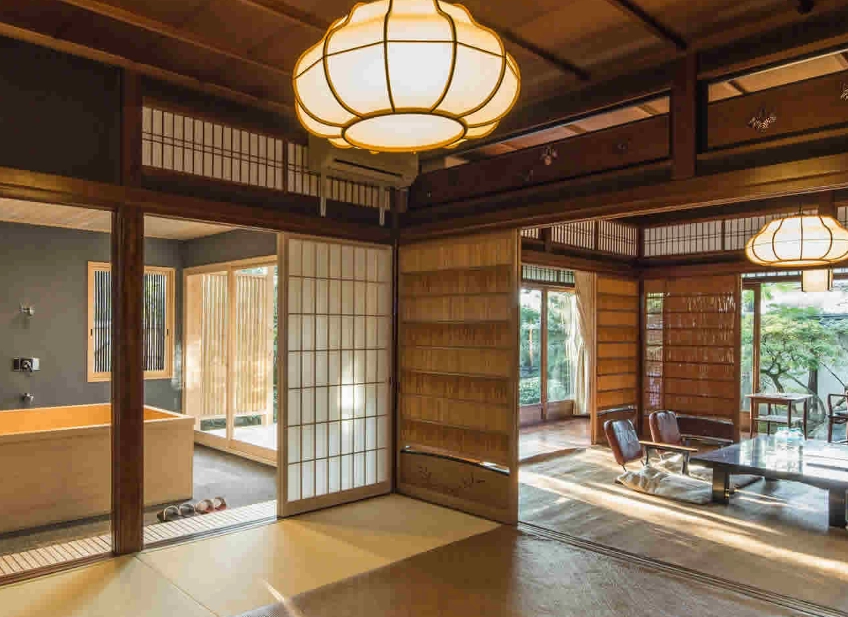
Omotenashi is the cornerstone. This Japanese philosophy of hospitality anticipates your needs before you voice them. It's the staff member who remembers you prefer green tea over barley tea, or who quietly places a warmer by your kotatsu (heated table) as the evening chill sets in. It's service that feels attentive, not intrusive.
Then there's the location and setting. A top-tier ryokan isn't just in Kyoto; it's of Kyoto. This could mean a hillside perch overlooking the city like Hiiragiya, a quiet backstreet in the historic Gion district, or a serene riverside spot in Arashiyama. The building itself is often a work of art, blending traditional architecture (wood, stone, paper) with impeccable maintenance. A kaiyushiki teien (stroll garden) view from your room isn't a bonus; it's often a baseline expectation.
Finally, the onsen and cuisine are non-negotiable. A true luxury ryokan will either have a natural hot spring source or provide stunning bath facilities designed for contemplation. The meal, almost always included, is a kaiseki feast. This isn't just dinner; it's a seasonal narrative using the finest local ingredients from Kyoto's mountains and seas, presented like edible art. According to the Japan National Tourism Organization, experiencing kaiseki is one of the top cultural activities for visitors.
How to Choose Your Perfect Kyoto Luxury Ryokan
With hundreds of inns, narrowing it down is the hardest part. Don't just look at photos. Ask yourself these questions.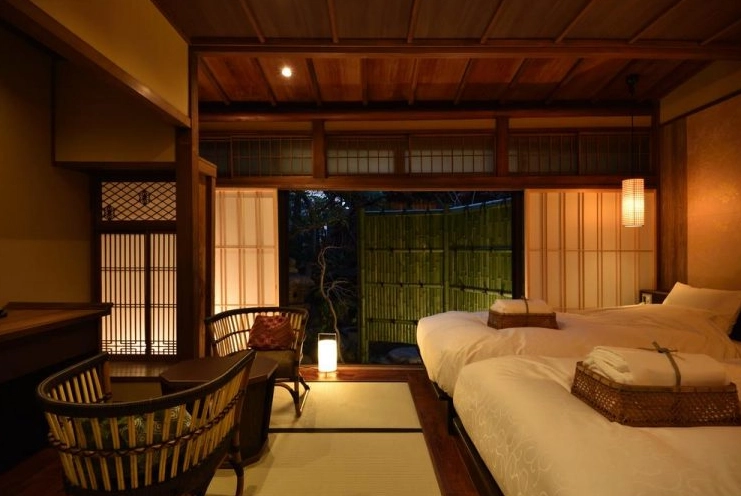
Location, Location, Atmosphere
Do you want to be in the heart of the action or in a secluded retreat? A ryokan in central Gion or Pontocho lets you step out into Kyoto's nightlife. One in Arashiyama or Ohara offers mountain silence and easier access to nature. My personal bias? For a first-time, immersive experience, a quieter location forces you to engage with the ryokan's rhythm. I once stayed at a famous central one and found the sound of tour groups passing by at 8 AM shattered the morning serenity.
The Onsen Question
Does it have a natural hot spring (onsen)? Kyoto isn't as famous for onsens as Hakone, but some ryokans do have access to springs. If not, does its ofuro (large bath) offer a beautiful, relaxing space? Check if baths are gender-segregated or have private rental times (kashikiri). For many, a bath with a view is a top priority.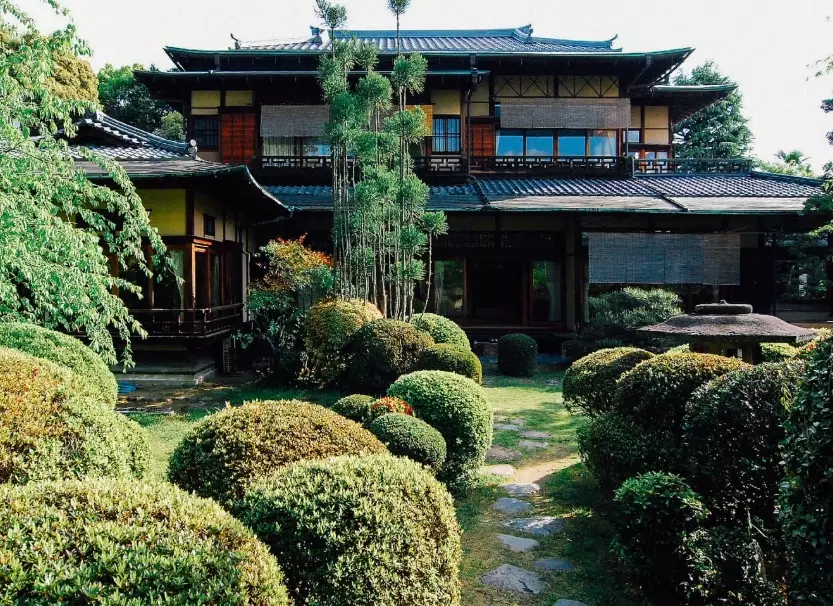
Room Type and Meal Plan
Almost all luxury ryokans operate on a two-meals-included plan (breakfast and dinner). The price is per person, per night, based on this. Rooms are typically Japanese-style with tatami mats and futons laid out by staff in the evening. Some offer hybrid rooms with beds. A room with a private open-air bath (rotenburo) is the pinnacle, but commands a premium.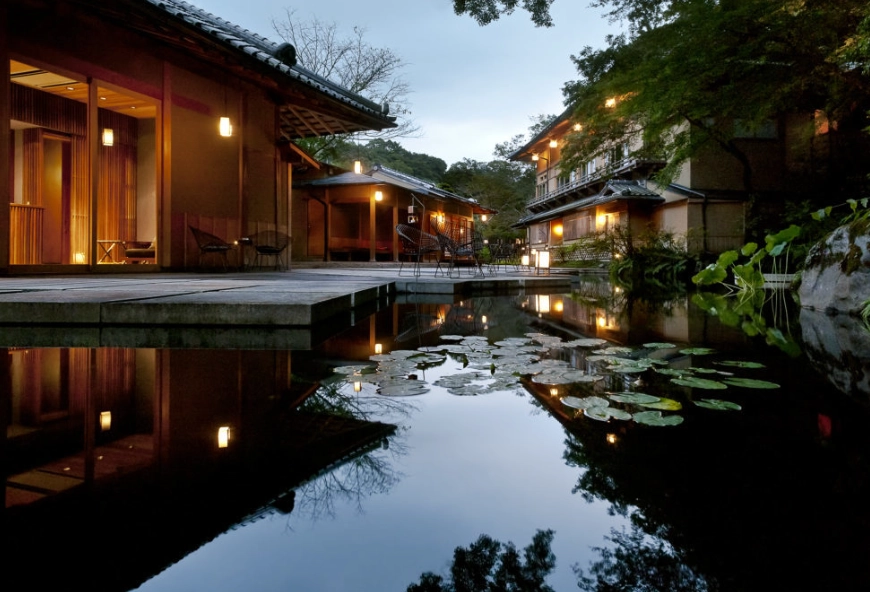
Top Kyoto Luxury Ryokan Picks: A Curated List
Based on atmosphere, service, and that hard-to-define feeling of "this is special," here are my top recommendations. Prices are approximate per person per night with two meals and vary wildly by season and room.
| Ryokan Name & Area | Key Features & Vibe | Price Range (PP/PN) | Why It Stands Out |
|---|---|---|---|
| Hiiragiya (Nakagyo Ward) | Historic (1818), family-run for generations, classic Kyoto elegance. | ¥70,000 - ¥120,000+ | It's a living museum of omotenashi. The service is legendary, discreet, and profoundly personal. No flashy onsens, just deep cultural immersion. |
| Tawaraya (Nakagyo Ward) | Hiiragiya's friendly rival, equally historic, minimalist aesthetic. | ¥70,000 - ¥120,000+ | Focuses on wabi-sabi (austere beauty). The gardens are tiny but profound. It feels like staying in a Zen temple designed for ultimate comfort. |
| Sumiya Kihoan (Arashiyama) | Modern luxury ryokan, riverside location, stunning architecture. | ¥60,000 - ¥100,000 | Perfect blend of traditional ryokan feel with contemporary design. The sound of the Oi River from your room is magical. Their kaiseki heavily features local Arashiyama ingredients. |
| Gion Hatanaka (Gion) | Larger ryokan with superb in-house geisha entertainment option. | ¥40,000 - ¥80,000 | Offers a unique, bookable geisha dinner performance for guests, a rare and authentic experience. Great for those who want a taste of Gion's culture. |
| Seikoro (Higashiyama) | Traditional, excellent kaiseki, beautiful garden views. | ¥35,000 - ¥70,000 | A slightly more accessible price point without sacrificing authenticity. The food is consistently ranked among the best. Family-friendly atmosphere. |
Booking these places often requires planning months in advance, especially for autumn foliage or cherry blossom seasons. Use their official websites or reputable travel agents specializing in Japan.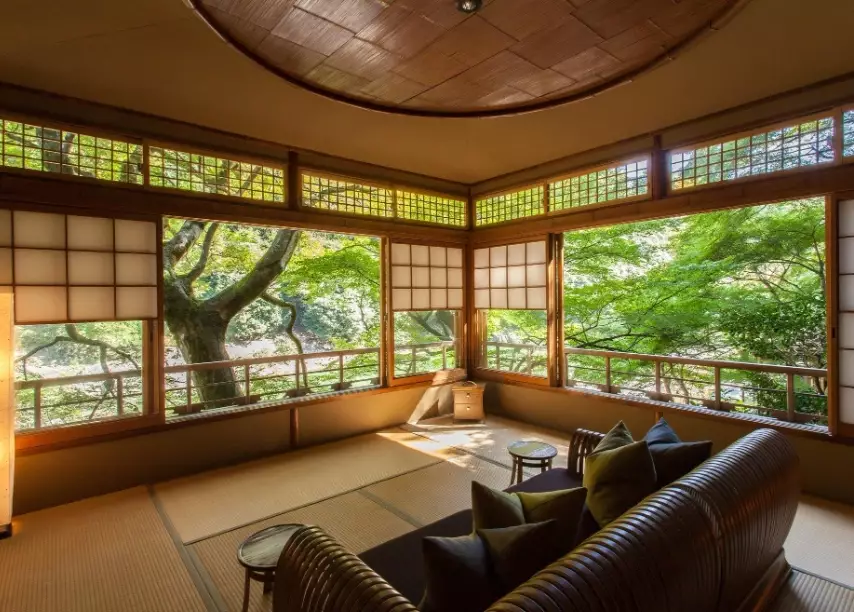
Mastering Your Stay: Etiquette and Hidden Tips
This is where knowledge turns a good stay into an unforgettable one. Let's demystify the process.
Upon Arrival: You'll be greeted at the entrance, asked to remove your shoes, and given slippers. You'll then be served tea and a sweet while seated in the lobby or your room as they explain the house. Your shoes will be stored.
The Room: You'll have yukata (cotton robes). Wear them everywhere—to dinner, to the bath, to stroll the garden. It's the uniform of relaxation. A common faux pas is wrapping the left side over the right (that's for the deceased). Always wrap the right side under the left.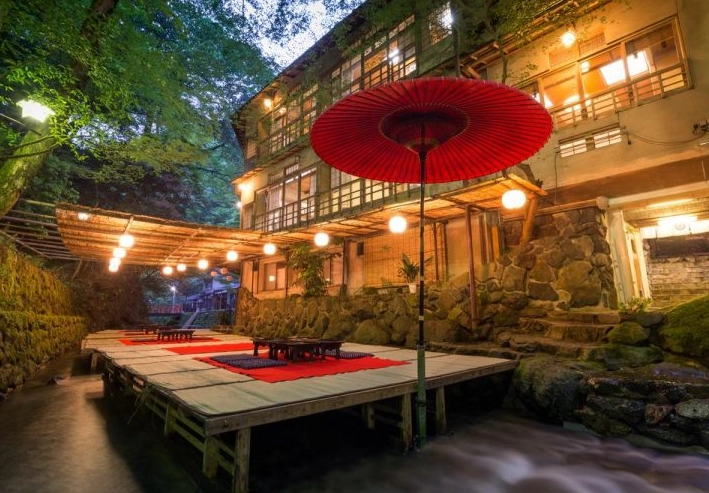
Bath Time: Whether in the communal bath or your private one, you must wash and rinse thoroughly before getting into the tub. The tub is for soaking clean. No soap, no shampoo in the soaking water. It's a ritual of purification.
Dinner & Breakfast: Kaiseki is served in your room or a private dining room at a pre-arranged time. Punctuality matters. It's a set menu, but always inform them of dietary restrictions when booking. Breakfast is often a beautiful Japanese set meal, sometimes also served in-room.
The Hidden Cost (Sort of): A small, per-person onsen tax or bathing tax (usually a few hundred yen) is often added to your bill, even if you don't use the communal bath. It's standard, so don't be surprised.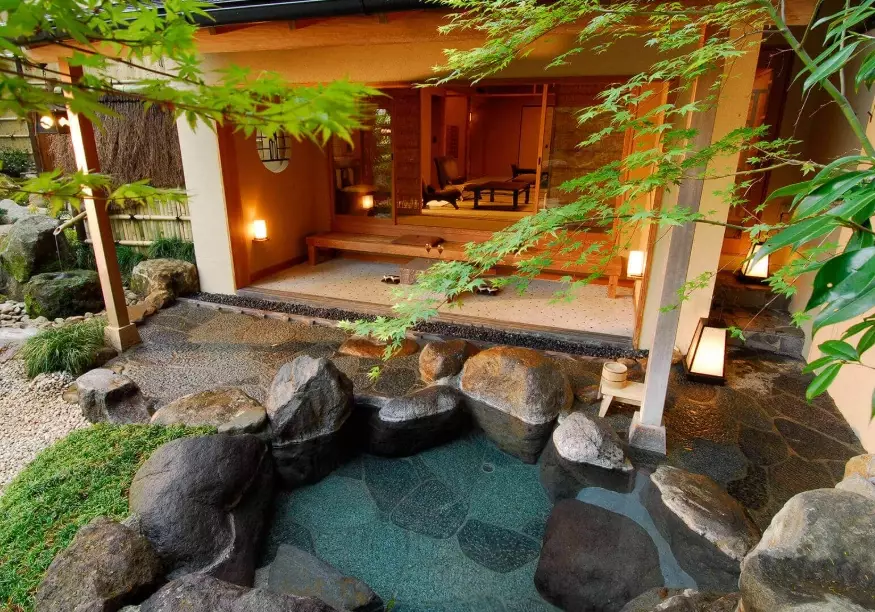
Your Luxury Ryokan Questions, Answered
Choosing and staying at a luxury ryokan in Kyoto is an investment in an experience, not just a bed. It slows you down, engages your senses, and connects you to a rhythm of Japanese life that hotels simply can't replicate. Do your research, manage your expectations around formalities, and embrace the quiet peculiarities. When you're sitting in your yukata after a long soak, listening to the silence of a Kyoto night, you'll understand what all the fuss is about.

Share Your Thoughts