Your Journey Map
- Before You Go: The Blueprint for Your Solo Japan Trip
- Crafting Your Solo Japan Travel Itinerary: Beyond the Golden Route
- Navigating Japan Alone: Transport, Food, and Accommodation
- The Realities of Solo Travel Japan: Safety, Socializing & Beating Loneliness
- Unique Solo Experiences You Shouldn't Miss
- Solo Travel Japan: Your Questions Answered
- Final Thoughts: Embracing the Journey
Let's be honest, the idea of solo travel Japan first popped into my head after watching one too many serene videos of bamboo forests and silent temples. It looked peaceful, orderly, and maybe a little lonely. But was it really a good place to travel alone? I booked a ticket to find out, and what I discovered completely reshaped my idea of what a solo trip could be. Japan isn't just a destination you can do alone; in many ways, it feels like it was designed for it.
Think about it. You have these incredibly efficient systems, a deep culture of respect that makes personal space a given, and food establishments where eating alone is completely normalized. But planning that first solo travel Japan adventure can feel overwhelming. Where do you even start? How do you navigate the social nuances? Is it safe, especially for women traveling alone? I remember staring at a map of Tokyo's subway lines on my first morning, feeling a mix of terror and excitement. That feeling is part of the deal, and honestly, the part you'll miss later.
Solo travel in Japan is less about being alone and more about being completely free to connect with a place on your own terms.
This guide isn't a dry list of facts. It's the stuff I wish I'd known, mixed with the stuff I learned the hard way, all aimed at helping you build your own perfect, personal journey. We'll skip the fluff and get into the real talk—budgets, weird etiquette moments, beating loneliness, and finding those hidden spots that make you feel like you've cracked the code.
Before You Go: The Blueprint for Your Solo Japan Trip
Jumping straight into booking flights to Tokyo is tempting, but a little groundwork here makes everything smoother later. This is where you lay the foundation for a stress-free trip.
When to Visit: It's More Than Just Cherry Blossoms
Everyone talks about spring. The images are iconic. But after experiencing both the famous sakura season and the quieter, crisp autumn, I have thoughts. Spring (March-May) is beautiful, yes, but it's also the peak of peak season. Prices for accommodation spike, famous spots are packed, and the famous cherry blossom viewings (hanami) can be loud, boozy parties. It's fun, but it's not the serene experience you might be picturing.
For a solo traveler Japan, autumn (September-November) is my strong personal recommendation. The crowds thin out after summer, the weather is perfect for walking everywhere, and the fall colors (koyo) are just as stunning as the cherry blossoms, but with a more relaxed vibe. Winter offers skiing and fewer tourists, while summer is hot, humid, and has the rainy season (tsuyu) in June/July—great for lush greenery, but pack an umbrella and prepare to sweat.
Budgeting Realistically: Where Your Yen Actually Goes
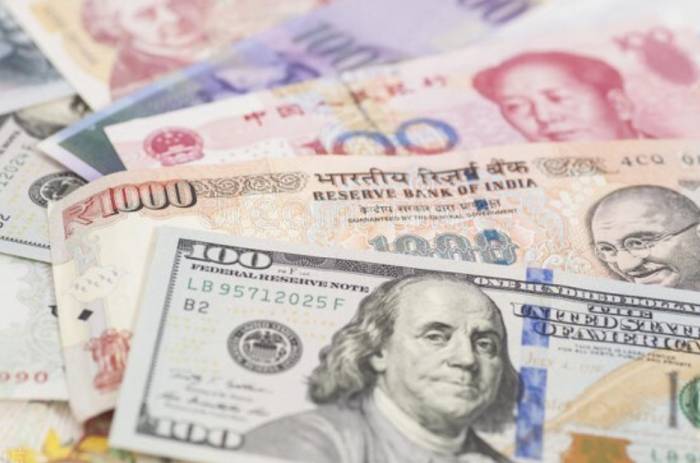
"Is Japan expensive?" It's the first question everyone asks. The answer is: it can be, but it doesn't have to be. Your biggest costs will be flights and accommodation. After that, Japan offers a huge range. You can have a $300 sushi dinner or a mind-blowingly good $10 bowl of ramen. The key for solo travel Japan is planning where to splurge and where to save.
Let's break down a daily budget for a moderate traveler:
- Accommodation: This is your main variable. A bed in a great capsule hotel or hostel dorm: ¥3,000 - ¥5,000. A business hotel room (my go-to for privacy): ¥7,000 - ¥12,000. Ryokan (traditional inn) experience: ¥15,000+ per person with meals.
- Food: You can eat incredibly well on a budget. Convenience store (konbini) breakfast: ¥500. Lunch ramen or curry: ¥800 - ¥1,200. Street food or a casual dinner: ¥1,500 - ¥2,500. Don't underestimate department store basements (depachika) for amazing prepared food.
- Transport: Within cities, a day pass is often ¥600-¥900. The big one is intercity travel. A 7-day nationwide Japan Rail Pass costs about ¥50,000. Do the math on your planned trips—if you're doing a Tokyo-Kyoto-Hiroshima round trip, it pays off. If you're mostly in one region, regional passes or flying might be cheaper.
- Activities/Souvenirs: Temple entry is usually ¥300-¥800. Museums vary. Set aside ¥2,000-¥4,000 a day for this and little treats.
Essential Planning Tools & Apps
Your smartphone will be your best friend. Google Maps is shockingly accurate for train times and walking directions. For hyper-accurate train routing, locals use Japan Travel by Navitime or Jorudan. Download Google Translate and make sure to download the Japanese language pack for offline use. Its camera function for translating menus and signs is a lifesaver.
For accommodation, I mix it up. Booking.com is great for hotels. For hostels and guesthouses, Hostelworld has a better selection. A game-changer for solo female travel Japan is to look for places with female-only dorm floors or capsules—they offer extra peace of mind and are often cleaner and quieter.
Crafting Your Solo Japan Travel Itinerary: Beyond the Golden Route
Tokyo-Kyoto-Osaka-Hiroshima. That's the classic loop, and it's popular for a reason. It hits the major highlights. But as a solo traveler, you have the flexibility to go deeper or get weird with it. Here’s how to think about structuring your time.
The classic 10-day starter itinerary looks something like this:
- Days 1-4: Tokyo. A mix of neon (Shibuya, Shinjuku) and tradition (Asakusa, museums). Get lost in a specific neighborhood each day.
- Days 5-7: Kyoto. Temples, gardens, and geisha districts. It's more spread out, so rent a bike.
- Days 8-9: Osaka. For food (Dotonbori!) and a more down-to-earth, energetic vibe.
- Day 10: Back to Tokyo for departure.
It's a good framework. But what if you have more time, or different interests? Here’s where solo travel Japan gets interesting.
Alternative Itinerary Ideas for the Independent Spirit
The Nature & Culture Mix: Swap bustling Osaka for the serene mountains of Kamikochi in the Japanese Alps (accessible late April to November) or the historic thatched-roof villages of Shirakawa-go. Hiking alone here is safe, well-marked, and profoundly peaceful.
The Art Island Pilgrimage: Head south to the Seto Inland Sea. The Naoshima art islands are a solo traveler's dream. Wandering between Tadao Ando's concrete museums and outdoor sculptures, with the sea as your backdrop, is a uniquely contemplative experience. It's easy to get to from Okayama or Hiroshima.
The Northern Frontier: Hokkaido is a world apart. In summer, it's all flower fields and hiking. In winter, it's powder snow paradise. The cities like Sapporo are fun, but the real magic is in the wide-open landscapes. You'll need to plan transport more carefully here, but the reward is fewer crowds.
I spent five days just in Kyoto once, barely touching the famous temples. Instead, I took pottery classes, hiked the philosopher's path at dawn, and drank tea in hidden gardens. That trip taught me more about Japan than any whirlwind tour. Your solo travel Japan itinerary should have breathing room.
Navigating Japan Alone: Transport, Food, and Accommodation
This is the practical heart of your trip. How do you actually move, eat, and sleep as one person in this country?
Getting Around: Trains, Buses, and Your Two Feet
The train network is a marvel. For shinkansen (bullet train) travel, the Japan Rail Pass is a major decision. Weigh its cost against your planned trips. You can use the calculator on their official site. If you're not getting the pass, buy tickets at the station or use a rechargeable IC card (Suica, Pasmo) for almost all local travel.
Don't overlook buses for medium-distance travel—they're often cheaper than trains and offer night buses that save on a night's accommodation. For getting around cities, walking is the best way. You discover so much more. In Kyoto, renting a bicycle is the ultimate freedom.
| Transport Type | Best For | Solo Traveler Notes | Approx. Cost (Sample) |
|---|---|---|---|
| Shinkansen (Bullet Train) | Long distances (Tokyo-Kyoto) | Reserve a window seat for views. Quiet cars are bliss. | Tokyo-Kyoto: ¥13,320 (one-way) |
| Local Train/Subway | City travel & short regional trips | Use an IC card (Suica). Avoid rush hour in Tokyo. | ¥180-¥400 per ride |
| Highway Bus | Budget long-distance & night travel | Night buses save on a hotel night. Book for a window seat. | Tokyo-Kyoto (night bus): ¥6,000-¥9,000 |
| Bicycle Rental | Exploring flat cities/towns (Kyoto, Kamakura) | Incredible freedom. Follow local parking rules strictly. | ¥800-¥1,500 per day |
The Solo Dining Experience: No One is Judging You
This is a top concern for people considering solo travel Japan. Let me be clear: Japan is a paradise for solo diners. The culture of eating alone is completely normalized. Look for these spots:
- Ramen/Izakaya counters: You sit side-by-side with others, often with a divider. It's perfect. Just point at the vending machine ticket or a picture.
- Convenience Stores (Konbini): 7-Eleven, FamilyMart, Lawson. Their prepared food is fresh, delicious, and cheap. A solo dinner of onigiri, salad, and fried chicken is a legit meal.
- Department Store Food Halls (Depachika): In the basement of big stores like Isetan or Takashimaya. It's a feast for the eyes. Grab a beautiful bento box and eat it in a park.
- Sushi-go-round (Kaitenzushi): Grab a seat, take plates off the conveyor belt. Simple, fun, and no interaction needed unless you want to order something special.
Where to Stay: From Pods to Ryokans
Your choice of accommodation can define your solo travel Japan experience.
- Capsule Hotels: The iconic solo experience. They're cheap, clean, and efficient. Great for city stops. Choose newer ones for more space. Some are male-only, so check. Many now have female-only floors.
- Business Hotels: My personal workhorse. Rooms are small but have everything you need: private bathroom, reliable wifi, often a simple breakfast. Chains like APA, Dormy Inn, or Toyoko Inn are everywhere.
- Hostels/Guesthouses: The best for socializing. Common areas make it easy to meet other travelers. Look for ones with events like bar crawls or free walking tours.
- Ryokan (Traditional Inn): A must-try splurge. You get a futon on tatami, a multi-course kaiseki dinner, and often a private onsen. It feels incredibly special as a solo traveler. Some are hesitant to take solo guests, so book well in advance and use sites like Japanican.
The Realities of Solo Travel Japan: Safety, Socializing & Beating Loneliness
The postcard images don't show the occasional pang of loneliness or the slight anxiety of navigating a complex social system. Let's talk about that.
Is Japan Safe for Solo Travelers?
In a word, yes. Japan consistently ranks as one of the safest countries in the world. Violent crime against tourists is exceedingly rare. You can walk down most streets at night feeling safer than you would in your hometown.
For solo female travel Japan, the same largely applies. The biggest annoyances are occasional stares (often just curiosity) and, very rarely, being followed (a crime called "chikan," which is taken seriously). Precautions are simple: be aware of your surroundings, avoid empty train cars late at night, and trust your gut. Women-only train cars are available during rush hours on many lines, and many accommodations offer female-only floors.
Petty theft is also rare. People leave laptops in coffee shops to hold their seat. That said, don't be reckless. Use common sense and hotel safes for passports.
How to Meet People (If You Want To)
Solo doesn't have to mean solitary. Some days you'll crave quiet, others you'll want conversation. Here’s how to find it:
- Stay in Social Hostels: The easiest method. Join the free walking tour or the evening izakaya outing.
- Take a Class: A sushi-making, calligraphy, or samurai sword lesson. You meet people with a shared interest, and the activity breaks the ice.
- Use Meetup Apps: Apps like Meetup have active groups in Tokyo and other big cities for language exchange, hiking, or just drinks.
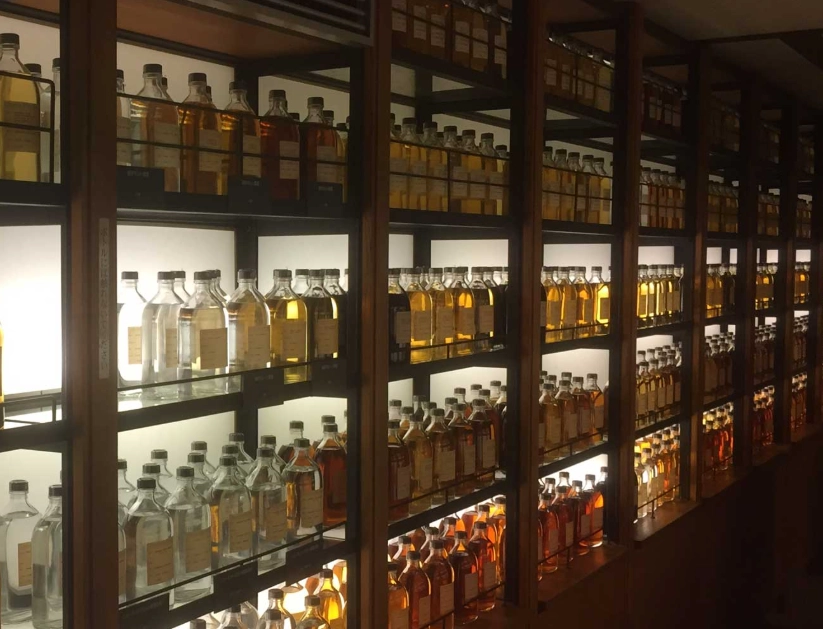
- Visit Bars with Counter Seating: Small standing bars (tachinomi) or whiskey bars. Sitting at the counter naturally leads to chatting with the bartender or neighbor. A simple "Kampai!" (Cheers!) can start a conversation.
I met a retired salaryman in a tiny bar in Osaka who, over several whiskeys, drew me a map of his favorite hidden ramen shops in the city. That map was better than any guidebook. Those spontaneous connections are the gold of solo travel Japan.
Dealing with Loneliness and Information Overload
It happens. Maybe after three days of temple-hopping, or when you're trying to decipher a confusing train station map. It's normal.
My strategies? Have a "home base" ritual—a specific coffee shop you go to every morning. It creates familiarity. Give yourself permission to have a lazy day. Watch Netflix in your hotel, wander a bookstore (Daikanyama T-Site in Tokyo is a sanctuary), or just people-watch in a park. Don't feel pressured to be "on" all the time.
When information overload hits—the signs, the announcements, the different rules—find a quiet corner, take a breath, and use your phone. Or, just ask for help. Japanese people often go to incredible lengths to help a lost foreigner, even if there's a language barrier. I've had station staff walk me five minutes out of their way to show me the right platform.
The challenge of navigating the unfamiliar is not a barrier to your solo travel Japan trip; it's the very thing that makes you grow.
Unique Solo Experiences You Shouldn't Miss
Beyond the checklist, here are things that feel uniquely rewarding when done alone.
Top 5 Solo-Specific Experiences in Japan:
- An Onsen (Hot Spring) Town Stay: Places like Kinosaki Onsen or Hakone. You wander the town in a yukata (robe), hopping between public baths. It's a deeply relaxing, personal ritual. Many ryokans cater to solo guests here.
- A Pilgrimage Hike: The Kumano Kodo or parts of the Shikoku Pilgrimage. Hike ancient forest trails between shrines and temples. Stay in simple pilgrim lodgings (shukubo). It's physically challenging and spiritually refreshing.
- Manga & Anime Deep Dive in Akihabara or Nakano: Browse for hours without anyone rushing you. Visit a manga cafe (manga kissa) where you can rent a private booth, read, and even sleep. It's a deep dive into a subculture.
- Attend a Matsuri (Festival): Join a local summer festival. Wear a yukata (you can rent one), eat street food, and watch the parade. You're part of the crowd, sharing in the collective joy.
- Meditation or 'Forest Bathing': Many temples offer short zazen (seated meditation) sessions for visitors. Or simply go for a long walk in a place like the Arashiyama Bamboo Grove early in the morning (before the tour buses arrive) for your own version of shinrin-yoku (forest bathing).
I did the Kumano Kodo hike solo over four days. The physical exertion, the silence of the forests, and the simple goal of reaching the next lodge each day cleared my head in a way no beach vacation ever could. It's the kind of trip you can only do—or would only want to do—alone.
Solo Travel Japan: Your Questions Answered
Let's tackle some specific, practical questions that pop up again and again.
It depends entirely on your itinerary. The pass is priced for tourists doing a lot of long-distance shinkansen travel in a short time. Use the official Japan Rail Pass calculator or a third-party one. If your trip is mostly in one city (e.g., just Tokyo and day trips), a pass is almost certainly not worth it. For a Tokyo-Kyoto-Hiroshima-Tokyo loop, it's a no-brainer. Remember, the pass must be purchased outside Japan before you arrive.
Don't worry too much—you're given a lot of grace as a visitor. The big ones: don't eat or drink while walking (it's considered messy), don't talk loudly on trains (they are often silent), and always follow the specific rules at onsens (wash thoroughly before entering, no towels in the water, no tattoos in many public ones). When in doubt, observe what locals are doing.
Beyond general safety, pack a light scarf or shawl—useful for covering shoulders when entering temples, and also for adding a layer if you feel overly stared at. Seek out female-only accommodation floors and train cars for peace of mind. Don't feel pressured to drink alcohol if invited out; ordering a soft drink is perfectly fine. Trust your intuition—if a bar or area feels uncomfortable, just leave. For detailed, updated advice, the Japan National Tourism Organization's page for women traveling alone is an excellent resource.
You'll be fine with just English in major cities and tourist areas. Learn a few key phrases: Arigatou gozaimasu (Thank you), Sumimasen (Excuse me/Sorry), and ...wa doko desu ka? (Where is...?). Use your phone's translation app for complex things. Many restaurants have picture menus or plastic food displays outside—just point. People appreciate the effort of a simple "thank you" in their language.
Comfortable walking shoes are non-negotiable. You will walk miles every day. Pack layers for variable weather. A portable power bank for your phone (you'll use it for maps and translations all day). A small coin purse—you'll accumulate lots of ¥100 and ¥500 coins. Slip-on shoes are convenient for temples, ryokans, and some restaurants where you remove your shoes. And leave extra space in your suitcase. You will buy things.
Final Thoughts: Embracing the Journey
Planning a solo travel Japan adventure might seem like a big task, but the payoff is immense. You get to move at your own rhythm, follow your curiosity down any alley, and have experiences that are entirely your own. The initial nervousness you feel is just the price of admission for the confidence and incredible memories you'll gain.
Japan, with its blend of ultra-modern efficiency and deep-rooted tradition, is a place that rewards the independent traveler. It gives you the safety net of incredible infrastructure and then sets you free within it. Whether you're gazing at Mount Fuji from a shinkansen window, slurping ramen at a midnight counter, or finding perfect silence in a Zen garden, the experience is amplified because you chose it, for yourself.
So start sketching out that itinerary. Book that flight. Your own Japanese adventure, with all its perfect little moments and manageable challenges, is waiting. Just go.

Share Your Thoughts