Key Highlights
Let's be honest. When you picture getting around Japan, you probably see a blur of neon from a Shinkansen window, right? Everyone does the trains. And yeah, they're efficient. But they're also expensive, packed, and honestly, they all start to look the same after a while. You're in a metal tube, hurtling underground or past a blur of scenery. You miss everything.
That's why, on my last trip, I decided to ditch the rail pass for a week and try something different. I focused entirely on local ferry travel in Japan. And it completely changed how I saw the country.
We're not talking about the big overnight ferries to Hokkaido (though those are fun). I'm talking about the local ferries. The ones that hop between forgotten islands in the Seto Inland Sea, that chug along the coast of the Noto Peninsula, that serve as a school bus for kids on remote islands. This is travel at 15 knots, not 300 km/h. It's slow, it's cheap, and it's packed with moments you simply cannot get anywhere else.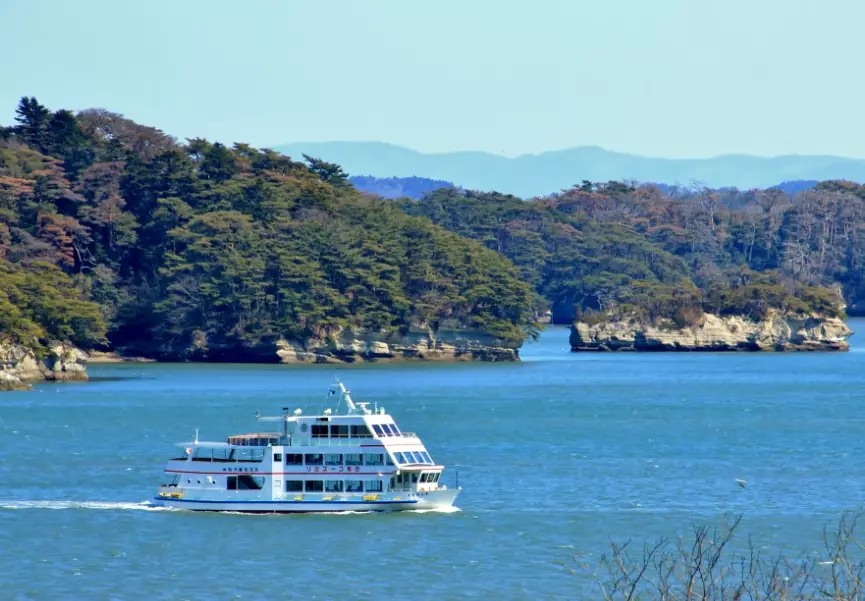
The deck becomes a shared living room. You'll see obaachans (grandmas) peeling oranges, salarymen napping in the sun, fishermen with their gear. The smell is salt and diesel, not sanitized train air. The sound is the churn of the propeller and seagulls, not canned station announcements. This is the stuff you remember.
But here's the thing nobody tells you: figuring it out can be a headache. Timetables are mostly in Japanese. Websites are, at best, confusing. And the process of buying a ticket? It's not always clear. I spent a good hour at one port trying to understand if I needed to buy a ticket before boarding or after. (Answer: it depends on the ferry.)
So I'm writing this guide to save you that confusion. This is everything I wish I knew before I started, packed with the practical details and the real-world quirks of exploring Japan by sea.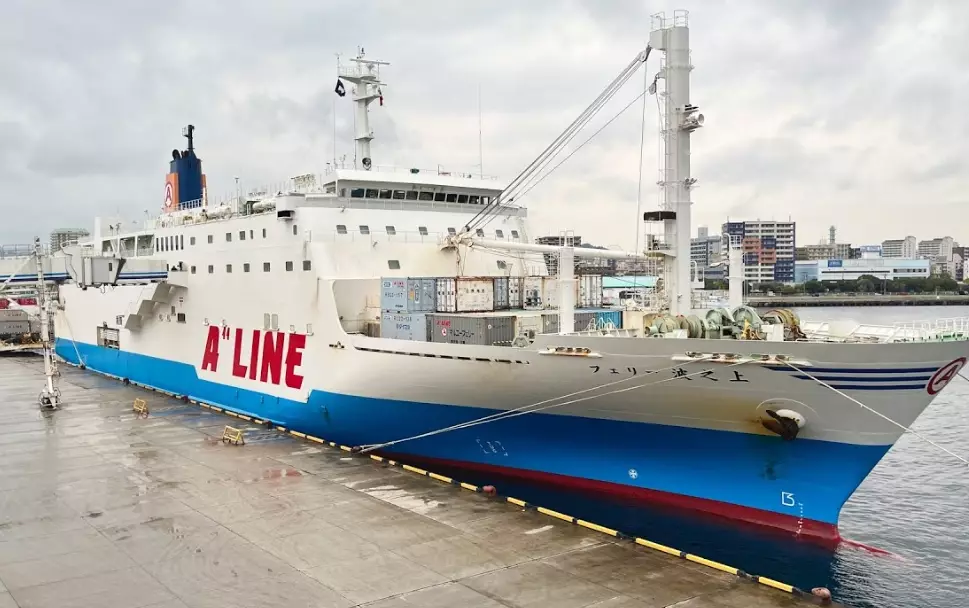
Why Bother With a Boat? The Real Benefits of Local Ferry Travel in Japan
First, let's address the obvious question. Why take a slow boat when you can take a fast train?
Cost: Your Wallet Will Thank You
This is the big one. A one-way Shinkansen ticket from Tokyo to Kyoto can set you back over ¥13,000. For that price, you could take a dozen local ferry rides. Most short-hop local ferries cost between ¥500 and ¥2,500. I took a stunning 2-hour ferry across the Ago Bay in Mie Prefecture for just ¥1,800. The view of pearl rafts and forested islands was priceless, but the ticket sure wasn't.
For budget travelers, students, or anyone wanting to stretch their yen, local ferry travel in Japan is a secret weapon. You can often travel between major regions for a fraction of the train cost, albeit with more time. The Japan National Tourism Organization (JNTO) even highlights ferry routes as a scenic and economical alternative, though they don't always dive into the nitty-gritty of the local services.
Access: Places Trains Simply Don't Go
The Japanese rail network is incredible, but it has blind spots. It follows valleys and coasts, but it can't leap across water. Hundreds of inhabited islands dot the coast, and countless remote peninsulas are served primarily by ferry. Want to see the art islands of Naoshima and Teshima? The ferry is your only public option. Dreaming of the remote Oki Islands in the Sea of Japan? Ferry. The wild, rugged coastline of Shikoku's Cape Ashizuri? You guessed it.
This kind of local ferry travel in Japan unlocks a level of off-the-beaten-path exploration that is impossible by rail. You're not just seeing a place; you're arriving at it the way its residents have for generations.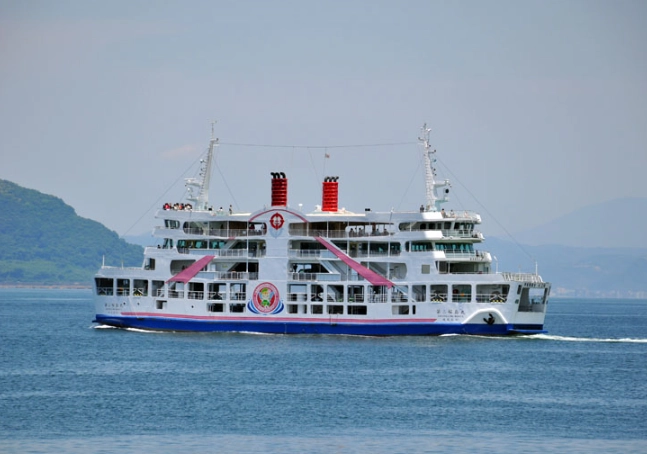
The Experience: It's Half the Fun
On a train, you're a passive observer. On a ferry, you're a participant. You feel the wind, smell the sea, watch the crew work. You can go out on deck, feel the spray, and watch the landscape unfold slowly. I've seen dolphins racing the bow on the Miyajima ferry, and I've shared a bag of senbei (rice crackers) with a local fisherman on a run to a tiny island in Hiroshima Bay. These are not experiences you can buy on a tour. They happen because you chose the slow boat.
It's also a photographer's dream. The angles you get approaching a port, with a town stacked up a hillside, are unbeatable.
But a reality check: It's not all Instagram perfection. Some ferries are old, a bit rusty, and the interiors can be… utilitarian. The seats might be hard plastic. The bathrooms are basic. If you're expecting a luxury cruise, you're in the wrong place. This is working transportation. Embrace the grit.
How to Actually Plan Your Local Ferry Adventure
Okay, you're sold on the idea. Now, how do you make it happen without pulling your hair out? This is where most guides get vague. Let's get specific.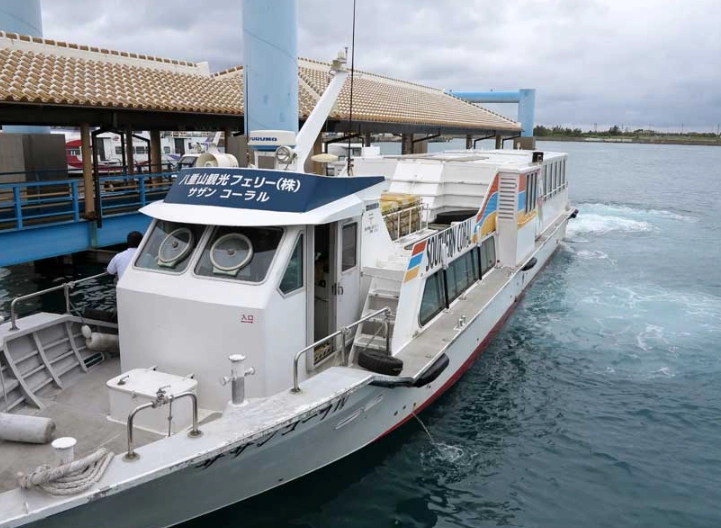
Finding Routes and Timetables: The Digital Hunt
This is the hardest part. There's no single “Japan Ferry” website. Information is fragmented across dozens of small operator sites, many of which are Japanese-only.
Your best starting points are the prefectural or city tourism websites. For example, if you want to ferry around the Seto Inland Sea, the Okayama Prefecture website or the Takamatsu City site will have far more detailed and accurate ferry info than any generic travel blog. They have a vested interest in promoting local tourism.
For island groups, search for the "[Island Name] Kisen" or "[Island Name] Ferry". "Kisen" (汽船) means steamship/ferry company. The website for the Oki Kisen company, for instance, is essential for travel to the Oki Islands.
Pro Tip: Use Google Chrome for its auto-translate function. It will clumsily translate entire Japanese websites, making timetables and fare tables (mostly numbers anyway) decipherable. It's not perfect, but it's the single most useful tool for planning local ferry travel in Japan.
Understanding the Ticket System: It's Not Uniform
This confused me endlessly at first. There's no nationwide system.
- Port Office Purchase: For many smaller, car-carrying ferries, you buy a ticket at a booth or office at the port before boarding. You'll often get a little plastic token or a paper ticket.
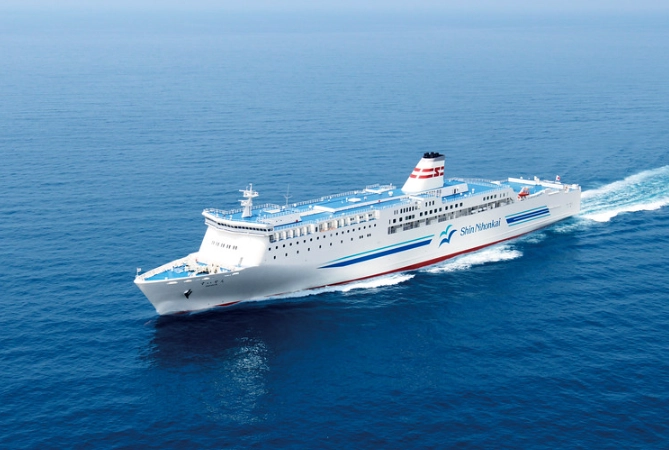
- Pay On Board: For many short-hop passenger-only ferries (like the famous Miyajima ferry or many intra-city water buses), you pay as you disembark. You'll see a fare box or a staff member collecting cash. Have change ready.
- Reservation Required vs. First-Come-First-Served: For long-distance or overnight ferries, reservations are essential. For most local day ferries, you just show up. However, on popular routes on weekends or holidays, cars might need reservations, while foot passengers just queue.
My rule of thumb: If the ferry looks big enough to carry trucks, look for a port office. If it's a small passenger boat, be ready to pay on board.
What to Bring: The Essential Ferry Kit
Packing for a ferry trip is different. Here’s my non-negotiable list:
- Cash. I cannot stress this enough. 99% of local ferries are cash-only. Assume your credit card is useless.
- A light jacket or windbreaker. Even on a hot day, it can be chilly and windy on deck. That's part of the fun, but be prepared.
- Snacks and drinks. While some larger ferries have a small concession stand (selling cup noodles, drinks, and ice cream), many do not. Bring your own. Getting a hot coffee from a vending machine at the port before boarding is a classic move.
- Entertainment… or not. A book is good. But honestly, half the entertainment is just watching the world go by. Don't be glued to your phone.
- Seasickness remedy. If you're prone to it, the sheltered waters of, say, the Seto Inland Sea are usually calm. But open ocean routes can get rough. Better to have it and not need it.
A Handful of Can't-Miss Local Ferry Routes
To give you concrete ideas, here are a few of my favorite experiences with local ferry travel in Japan. These are routes that offer something special.
The Seto Inland Sea Art Island Hopper
The quintessential local ferry experience. From Uno Port in Okayama or Takamatsu Port in Kagawa, a network of ferries connects the islands famous for modern art.
| Route | Approx. Duration | Key Attraction | Ferry Company |
|---|---|---|---|
| Uno → Naoshima (Miyanoura) | 20 min | Benesse House, Yellow Pumpkin | Shikoku Kisen |
| Naoshima (Miyanoura) → Teshima | 30 min | Teshima Art Museum, Les Archives du Cœur | Shikoku Kisen / Teshima Kisen |
| Takamatsu → Shodoshima | 60 min | Olive groves, Angel Road sandbar | Shodoshima Ferry |
The beauty here is the density. You can easily visit two islands in a day. The ferries are frequent and seeing the other islands slide past as you travel is part of the art experience itself. Check the Benesse Art Site for general planning, but always confirm times with the individual operator sites.
The Izu Islands Escape from Tokyo
Did you know you can take a ferry from central Tokyo to tropical-style islands? The Tokai Kisen company runs ferries from Takeshiba Pier near Hamamatsucho to islands like Oshima, Niijima, and Shikinejima. This is a fantastic weekend getaway. The overnight ferry leaves in the evening and arrives in the morning, saving you a night's accommodation. You wake up to volcanic landscapes and beaches a world away from Shinjuku's skyscrapers.
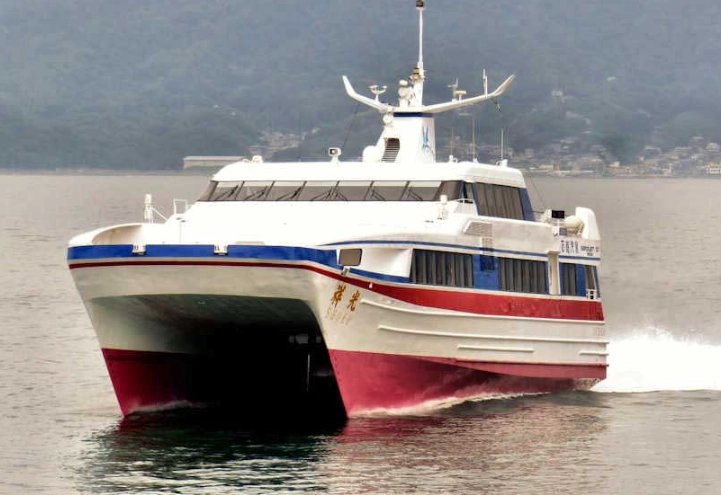
The Noto Peninsula Coastal Crawl
In Ishikawa Prefecture, local ferries connect towns along the rugged Noto Peninsula where the train line ends. The route from Wajima to Suzu, for example, is a stunning journey past sheer cliffs and remote fishing villages. It's slow, it's infrequent (maybe 2-3 times a day), and it feels like a journey to the edge of the world. This is local ferry travel in Japan at its most raw and authentic.
Navigating the Practicalities & Pitfalls
Let's talk about the stuff that can go wrong, so you're prepared.
Luggage: The Unspoken Challenge
This is a major pain point most guides ignore. Large ferry terminals might have coin lockers. Small ones absolutely will not. On the ferry, there is limited space for big suitcases. On car ferries, you can sometimes leave them in the vehicle area if you have a car. As a foot passenger, you're expected to keep your luggage with you in the passenger cabin.
My strong advice: If you're planning a multi-island ferry trip, travel with a backpack, not a roller suitcase. It's infinitely easier to manage on crowded boats, on uneven docks, and when stowing under your seat. I made the mistake of taking a wheeled case to Naoshima once. Never again. Dragging it over gravel paths from the port to my guesthouse was a nightmare.
Weather: The Great Disruptor
Ferries get canceled. High winds, typhoons, even heavy fog can shut down a route. This isn't a maybe; it's a when. Always have a Plan B for your day. If you must be somewhere (like to catch a flight), don't rely on the last possible ferry the day before. Go earlier.
I was once stranded on a small island in Nagasaki because a sudden storm rolled in and the afternoon ferries were canceled for the rest of the day. It turned into a fun, unplanned extra night, but it required a flexible attitude and a credit card to book another night's stay on the spot.
Language: You'll Be Fine (Mostly)
At ticket offices, pointing at a destination on a map and holding up fingers for the number of people works universally. For timetables, learn to read the basic time format (e.g., 13:25) and the days of the week (月=Mon, 火=Tue, 水=Wed, 木=Thu, 金=Fri, 土=Sat, 日=Sun). A “—” through a time slot means no service.
The crews are used to dealing with all kinds of passengers. A smile and a simple “Sumimasen (Excuse me)” go a long way.
Answering Your Ferry Questions
Making the Decision: Is Local Ferry Travel in Japan for You?
Look, it's not for everyone. If you're trying to see Tokyo, Kyoto, and Osaka in five days, stick to the Shinkansen. The ferry will feel like a waste of precious time.
But if you have a week to spend in a single region—like Shikoku, Kyushu, or the San'in coast—or if you're on a second or third trip to Japan and want to dig deeper, then integrating local ferry travel is the single best decision you can make.
It demands more planning. It requires flexibility. It comes with small frustrations. But the rewards are immense: unparalleled views, genuine cultural snapshots, and the profound satisfaction of traveling not just efficiently, but meaningfully.
You trade speed for depth. You exchange convenience for character. And in a country as meticulously efficient as Japan, choosing the slow, winding, watery path might just give you the most authentic memories of all.
So next time you're planning a trip, pull up a map. Look for the blue spaces between the land. That's where your next adventure is waiting, chugging patiently into port, ready to take you somewhere real.

Share Your Thoughts