Your Journey at a Glance
- What Does "Off the Beaten Path" in Japan Really Mean?
- The Realities of Planning a Rural Japan Itinerary
- Your 7-Day Off the Beaten Path Japan Itinerary
- Days 1-2: Yamagata's Sacred Mountains & Cherry Legacy
- Days 3-4: Niigata's Sake Coast & Remote Island
- Days 5-7: Toyama's Alpine Villages & Gorgeous Gorges
- If You Have More Time: Alternative Routes to Consider
- What to Pack (And What to Leave Behind)
- Your Offbeat Japan Travel Questions Answered
You've seen the pictures of Shibuya Crossing and Fushimi Inari's thousand gates. But the Japan that lives in my memory after a decade of exploring isn't there. It's in the mist hanging over a cedar forest on an ancient pilgrimage trail, the sound of a wooden shuttle on a loom in a quiet mountain town, and the profound silence of a hidden onsen where the only other patrons are locals. This is the Japan off the beaten path.
It's not about being obscure for the sake of it. It's about depth, connection, and a rhythm of travel that matches the slow, seasonal heartbeat of the countryside.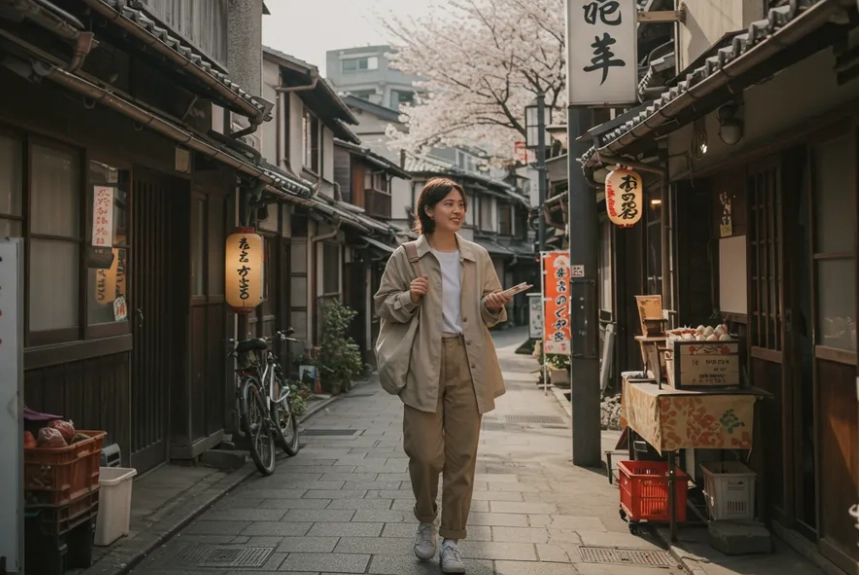
What Does "Off the Beaten Path" in Japan Really Mean?
Forget just "not Tokyo." An offbeat itinerary means prioritizing places where tourism isn't the main industry. You're visiting working towns, agricultural regions, and spiritual heartlands. The infrastructure is there—clean hotels, trains that run on time—but the crowds are not. You'll trade convenience store density for stunning vistas and generic souvenirs for encounters that feel genuine.
The Litmus Test: If a town's main street has more vending machines than people after 7 PM, and the train station has a single, charmingly old-fashioned ticket window, you're on the right track.
The Realities of Planning a Rural Japan Itinerary
This isn't a hop-on, hop-off kind of trip. The magic requires a shift in mindset. The biggest adjustment? Time. A 30km journey might involve a local train, a bus, and a walk. Schedules are king. Miss the 3:15 PM bus from that remote onsen town, and you might be stranded until tomorrow.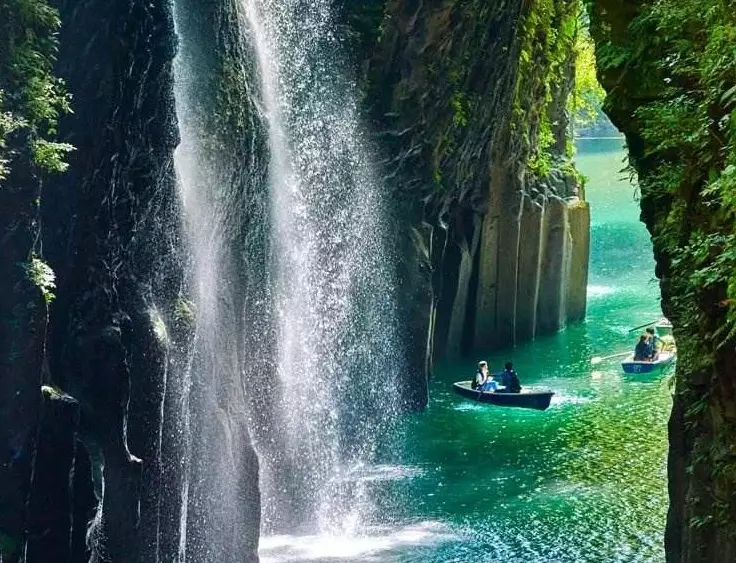
My number one tip: Use HyperDia (for trains) and Google Maps (set to transit mode) religiously, but always cross-reference with the physical timetable at the bus stop or station. I once relied solely on an app that hadn't updated for a seasonal schedule change and ended up waiting two hours at a deserted rural platform.
Your 7-Day Off the Beaten Path Japan Itinerary
This loop focuses on the underrated Hokuriku and Tohoku regions, accessible from Tokyo but worlds away in feel. It balances active days with relaxing ones and mixes culture, nature, and food perfectly.
| Day Range | Region & Base | Core Experience | Key Transport Note |
|---|---|---|---|
| 1-2 | Yamagata Prefecture (Base: Yamadera or Tendo) | Mountain temple hike, samurai history, craft sake | Shinkansen to Yamagata City, then local JR line. |
| 3-4 | Niigata Prefecture (Base: Niigata City / Day trip to Sado Island) | Sake breweries, remote island cycling, fresh seafood | Jetfoil or car ferry to Sado (book in advance). |
| 5-7 | Toyama Prefecture (Base: Toyama City / Gokayama) | UNESCO thatched-roof villages, Kurobe Gorge, glass art | Infrequent buses to Gokayama; plan day around them. |
The beauty of this route is the JR East-South Hokkaido Rail Pass. It covers the Shinkansen to Yamagata, trains across Niigata and Toyama, and even the local lines you'll need. Calculate if it's worth it for your dates, but it often is.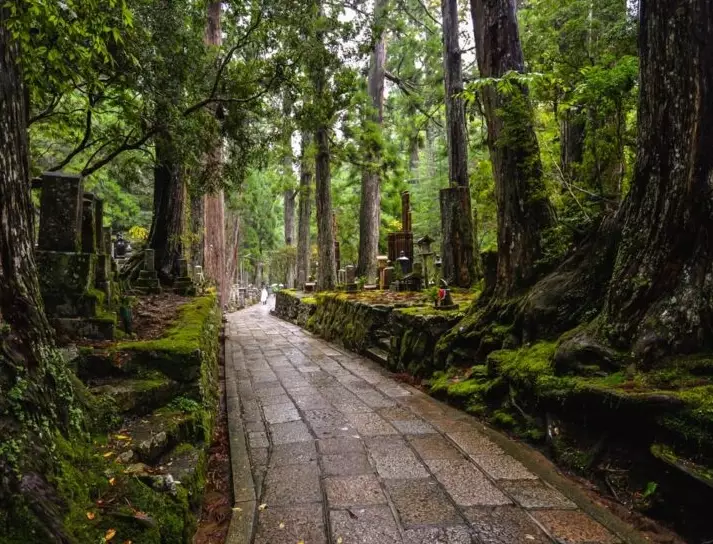
Days 1-2: Yamagata's Sacred Mountains & Cherry Legacy
From Tokyo Station, take the Yamagata Shinkansen (about 2.5 hours). Don't stay in Yamagata City. Instead, get off one stop earlier at Tendo, a town obsessed with shogi (Japanese chess) and home to sublime, small-batch sake breweries like Suishin. You can tour and taste for about ¥500. Their Yuki no Bosha label is a revelation.
The next morning, take the local JR Senzan Line 20 minutes to Yamadera. This is the moment your trip clicks into place. Yamadera (literally "mountain temple") is Risshakuji Temple, a complex of halls clinging to a steep mountainside. The climb up 1,000+ stone steps through ancient cedars is meditative. The view from the Godaido hall at the top? Unforgettable. It's open 8 AM to 5 PM, entrance ¥300. Go early to have the path mostly to yourself.
I sat at the top of Yamadera for an hour once, just listening to the wind chimes and the distant chant of a monk. No crowds pushing past, just peace. That's the pace you're after.
For dinner, seek out imoni, Yamagata's hearty taro and meat stew, best enjoyed by the river in autumn.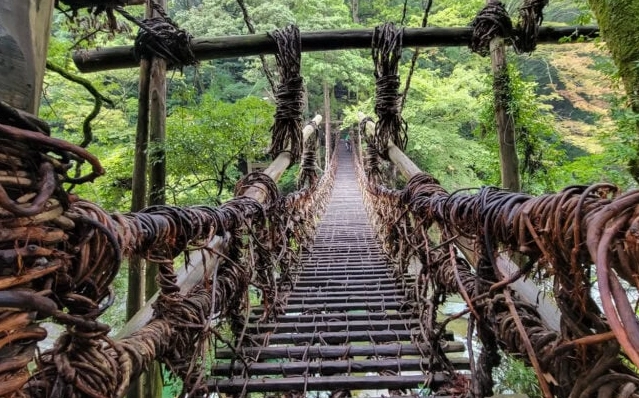
Days 3-4: Niigata's Sake Coast & Remote Island
Travel west to Niigata City (about 2 hours by train). Niigata is a port city, your gateway to the sea. Visit the Northern Culture Museum, a stunning former farmhouse estate, to understand the region's wealth. But the real gem is a day trip to Sado Island.
Take the 8:00 AM Jetfoil from Niigata Port (65 mins, ¥6,500 round-trip). Rent an e-bike at the Ryotsu port—this is non-negotiable. The island is hilly. Cycle the quiet coastal roads to Shukunegi, a preserved fishing village with narrow lanes and unique shipwright houses. Have lunch at a kaisendon (seafood bowl) shop—the squid is so fresh it might still be curling.
Back in Niigata City that evening, explore the Furumachi district. Skip the fancy places and find a tiny, standing-only sake bar. Point to a bottle from the fridge. Niigata sake is famously dry and clean (tanrei karakuchi). Pair it with some grilled skewers. You won't find a more authentic night out.
Days 5-7: Toyama's Alpine Villages & Gorgeous Gorges
A 2-hour train ride brings you to Toyama City, known for stunning alpine views and crystal-clear glass. But we're heading deeper. Reserve a seat on the bus from Toyama Station to the Gokayama region (about 90 mins). This is where you stay in a gassho-zukuri farmhouse, a UNESCO site. These steeply thatched roofs look like praying hands.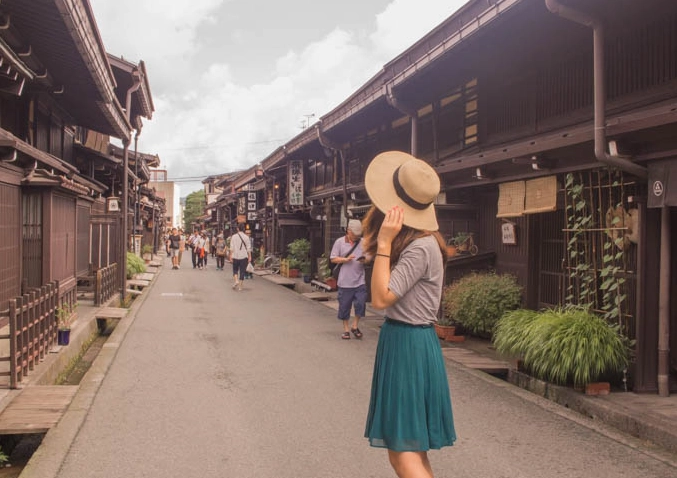
I recommend Murakami-ke in Ainokura village. It's a working museum and minshuku (family-run inn). For around ¥10,000 per person including two incredible home-cooked meals, you sleep on tatami in a 300-year-old house. The family performs folk songs after dinner. It's not luxury; the bathroom is shared and it's chilly in winter. But it's an experience you cannot get anywhere else.
The next day, take the bus to the Kurobe Gorge Railway. This open-sided train crawls along a dramatic river gorge. Get off at Keyakidaira station and hike to the viewing platforms. The water is a shocking turquoise. The train runs April-November, round-trip ¥3,460. Book your preferred time slot online to avoid disappointment.
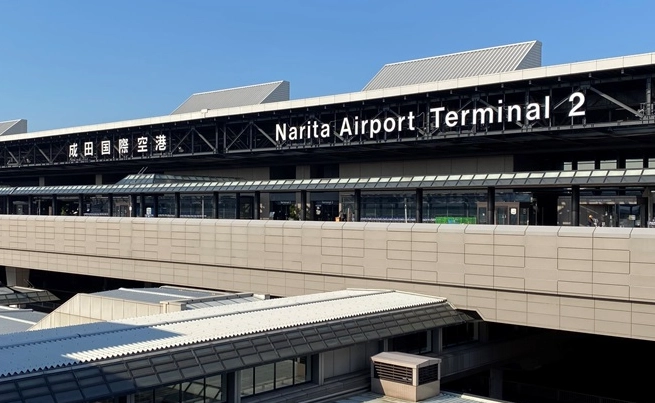
Your final day, return to Toyama City. Visit the spectacular Toyama Glass Art Museum (designed by Kengo Kuma) and stroll the canals. From Toyama, the Hokuriku Shinkansen zips you back to Tokyo in about 2 hours.
If You Have More Time: Alternative Routes to Consider
Seven days just scratches the surface.
- The Iya Valley (Tokushima): Deep in Shikoku, known as Japan's last hidden frontier. Vine bridges, terrifying mountain roads, and stunning isolation. Access is a mission—involves planes, trains, and long buses—but it's the ultimate offbeat destination.
- Shimokita Peninsula (Aomori): The remote northern tip of Honshu. Home to Osorezan, a volcanic landscape considered the gateway to the afterlife. Eerie, powerful, and deeply spiritual. Best reached with a rental car from Aomori City.
- Noto Peninsula (Ishikawa): A coastal driving paradise with dramatic sea cliffs, salt farms, and morning markets. Less remote than the others but still wonderfully untouristed outside Kanazawa.
What to Pack (And What to Leave Behind)
Packing light is strategic, not just stylistic.
Must-Pack: A compact, packable daypack. Sturdy, comfortable walking shoes (you'll take them off constantly, so slip-ons are a pain). A small towel (many onsens charge to rent one). A power bank. Cash—lots of it. Rural ATMs can be scarce, and many places are cash-only. A SIM card or pocket WiFi.
Leave Behind: Giant hard-shell suitcases. They're a nightmare on rural buses and tiny train station staircases. Use luggage forwarding (takkyubin) to send your big bag from Tokyo to your final city hotel and live out of a backpack for the week. Also, leave the expectation of 24/7 convenience stores. Plan your snacks and water accordingly.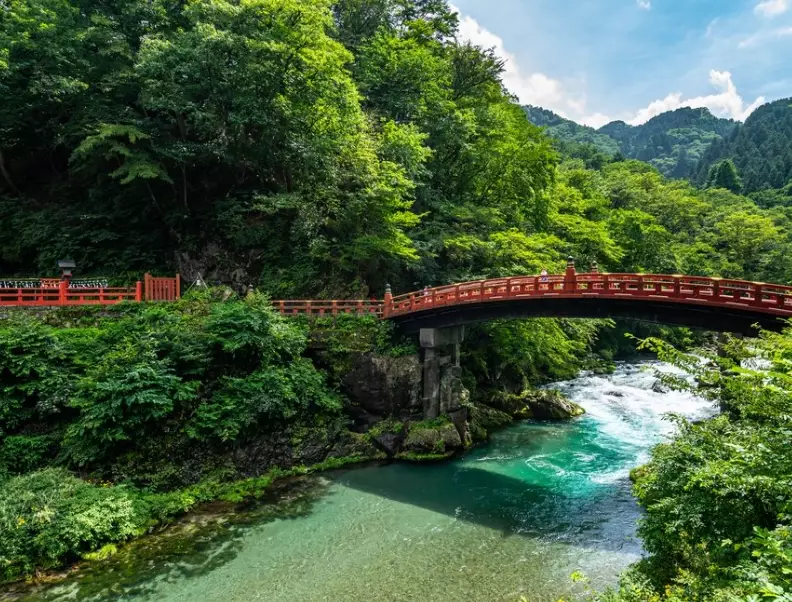
Your Offbeat Japan Travel Questions Answered
The road less traveled in Japan isn't just a different route on a map. It's a different way to experience the country. It's quieter, slower, and often more challenging. But the rewards—a moment of pure connection, a landscape that feels undiscovered, a taste of something truly local—are what turn a trip into a lifelong memory. Stop planning for Instagram and start planning for yourself.


Share Your Thoughts