Quick Navigation
Let's be honest. The first time you step into a Shinkansen station, it can feel a bit overwhelming. All those signs in Japanese (and some English), people moving with a quiet, purposeful efficiency, and the sheer scale of the place. You've seen the pictures, you know it's fast, but how do you actually *do* it without looking like a lost tourist? That's where these Shinkansen tips come in. I'm not just talking about "buy a ticket." I'm talking about the stuff that makes the difference between a stressful commute and a genuinely enjoyable part of your Japan adventure. The little hacks that save you time, money, and hassle.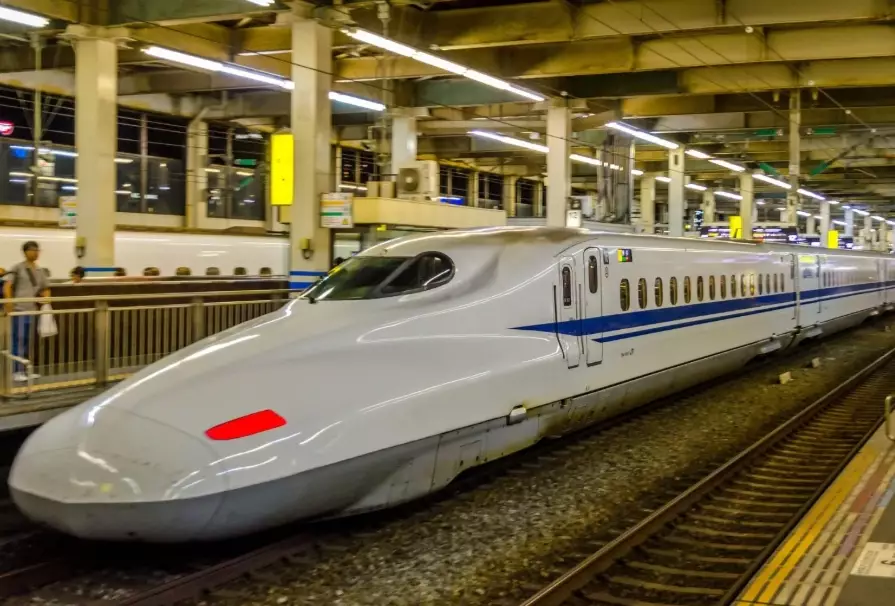
I remember my first ride from Tokyo to Kyoto. I was so nervous about missing the train I arrived an hour early, stood at the wrong car number, and then couldn't figure out how to turn my seat around to face my friends. It was a comedy of errors. Since then, I've ridden the bullet train more times than I can count, on almost every major line. I've learned from my mistakes so you don't have to. This guide is that collected wisdom.
Before You Go: The Planning Stage (This is Where You Win)
Most people's Shinkansen mistakes happen before they even see the train. They show up at the station hoping to figure it out. Bad plan. A little prep turns chaos into calm.
Ticket Options: Navigating the Maze
This is the big one. Your choices basically break down into two categories: the Japan Rail Pass and point-to-point tickets. The JR Pass is a tourist-only pass that gives you unlimited travel on JR trains (including most Shinkansen) for 7, 14, or 21 days. It used to be an incredible deal, but after a significant price hike in late 2023, you really need to crunch the numbers.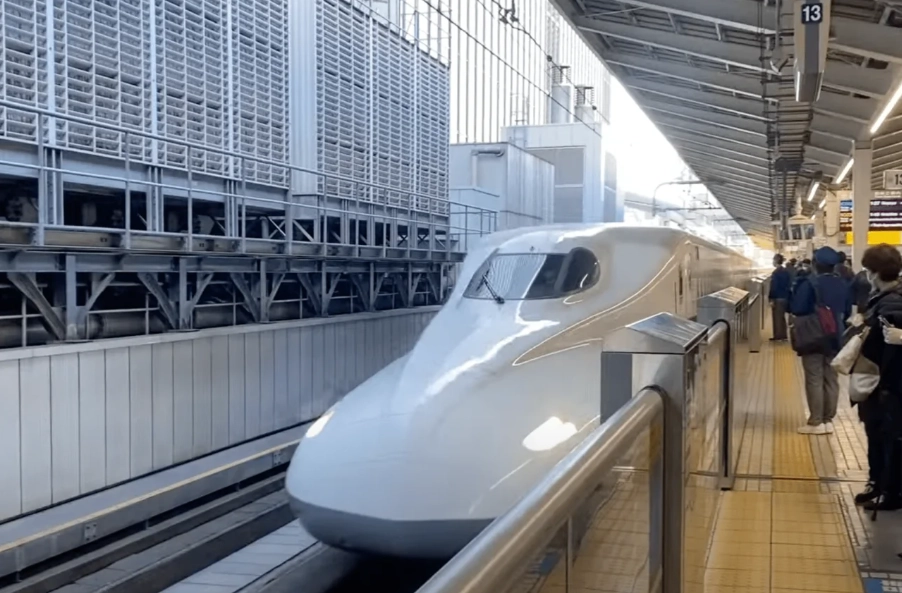
Here’s a quick reality check: If you're just doing a Tokyo-Kyoto-Osaka round trip, buying individual tickets is now often cheaper than the 7-day pass. The math has changed. The pass still wins if you're doing a lot of long-distance criss-crossing in a short time. Always use the official Japan Rail Pass website or a major travel provider's calculator to compare.
For point-to-point tickets, you have two classes: Ordinary (Coach) and Green Car (First Class). Green Car is nicer—wider, plusher seats, more legroom, free hot towel (oshibori), and generally quieter. But honestly? Ordinary Class on a Shinkansen is better than first class on most other trains in the world. It's spotless, comfortable, and spacious. Unless you really want that extra luxury or are traveling during a super peak holiday, Ordinary is perfectly fantastic.
Reserving vs. Non-Reserved: The Seat Game
Within Ordinary and Green Car, you have another choice: Reserved Seat (指定席, *shiteiseki*) or Non-Reserved Seat (自由席, *jiyūseki*).
| Seat Type | What It Means | Best For... | Watch Out For... |
|---|---|---|---|
| Reserved Seat (Shiteiseki) | You have a guaranteed seat in a specific car and row. Costs a bit extra (around 300-700 yen). | Peak travel times (Golden Week, Obon, year-end), groups, anyone who hates uncertainty, long journeys. | You are locked into a specific train departure time. |
| Non-Reserved Seat (Jiyūseki) | You can board any train on that route (on the day of your ticket) and sit in any non-reserved car. It's the base fare price. | Flexible travelers, off-peak travel, short hops where you don't mind standing. | During busy times, you may have to stand or wait for the next train to get a seat. The non-reserved cars are usually cars 1-3 or 1-5. |
| Green Car Seat | Always reserved. You get a guaranteed, extra-comfy seat. | Travelers prioritizing comfort and quiet, business travel, very long distances. | The highest cost of all options. |
My rule of thumb? If I know my exact schedule, I reserve. The peace of mind is worth the few hundred yen. The only time I gamble on non-reserved is on a random Tuesday afternoon for a short trip. Weekends? Holidays? Forget it—go reserved.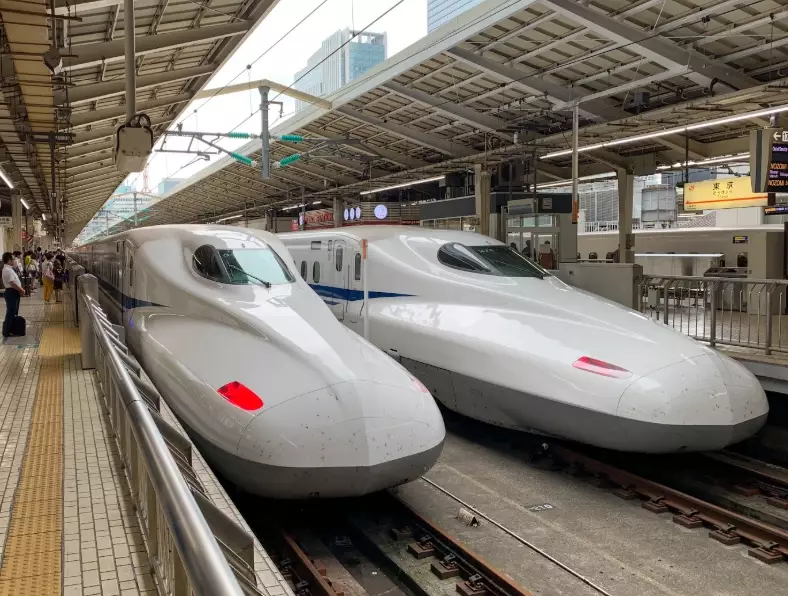
Buying Your Tickets: No Need to Queue
You can buy tickets at the station from a machine or a Midori no Madoguchi (ticket office). The machines have English menus and are pretty intuitive. But here's a top-tier Shinkansen tip: buy them online in advance.
Both JR East's Eki-Net and JR West's online system allow foreign credit cards. You can pick your exact seat—window or aisle, forward or backward facing, upper or lower deck on some double-decker trains (GranClass on the Hayabusa, for example). You then pick up the physical ticket from a machine at the station using the reservation number. It bypasses all the potential station confusion.
Seriously, this is a game-changer. You can do it from your hotel room the night before.
The Day of Travel: Station Smarts and Boarding
You've got your ticket. Now, let's get you on the right train, smoothly.
Decoding Your Ticket and the Station
Your ticket (or reservation slip) will have key info: Date, Train Name/Number, Departure Time, Car Number, and Seat Number. The train name is things like Nozomi, Hikari, or Kodama. The number is like "Nozomi 123."
Inside the station, follow signs for Shinkansen (新幹線). You'll go through a separate set of ticket gates. Insert your ticket, it pops out the other side, take it back. You'll need it again to exit at your destination.
Now, find your platform. Massive electronic signs list the next few trains, their departure times, train numbers, and—crucially—a diagram showing where each car number will stop along the platform. These are marked by signs on the floor and walls. Just find your Car Number (e.g., Car 10) and stand on the corresponding spot. The train doors will align perfectly. It’s a beautiful system.
The Luggage Situation: The New Rules
This is probably the most important of all modern Shinkansen tips. Japan introduced new luggage rules a few years back, and they are enforced.
- You can bring any luggage you can carry.
- BUT, for any piece of luggage with total dimensions (length+width+height) exceeding 160cm but not exceeding 250cm, you MUST make an advance reservation for an "oversized luggage seat." These are specific seats at the back of the car with space behind them for large suitcases.
- Luggage over 250cm is not allowed on board.
What does 160cm look like? A typical large check-in suitcase (about 28 inches) is often around 150-160cm. If you're even close, just reserve the oversized luggage seat. It costs nothing extra when you make the reservation—it's just a specific seat type. If you show up with a big bag without this reservation, you'll have to pay a fee (1,000 yen) on the spot and your bag might get moved to a different car.
I learned this the slightly stressful way when I brought a huge ski bag back from Hokkaido. Now I always check the box for oversized luggage when booking online. Problem solved.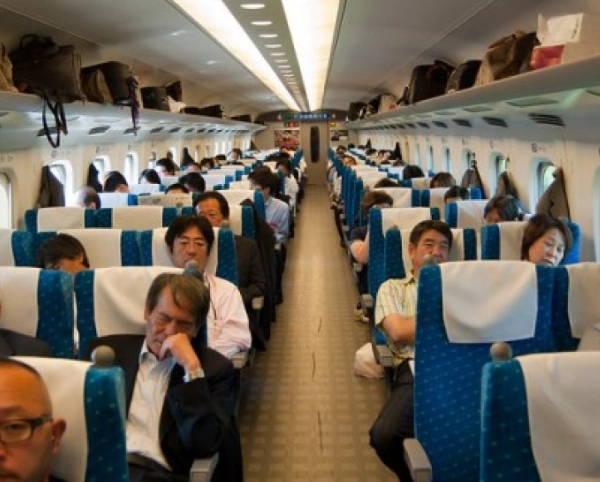
Simple rule: When in doubt, reserve the oversized luggage seat.
What to Do on the Platform
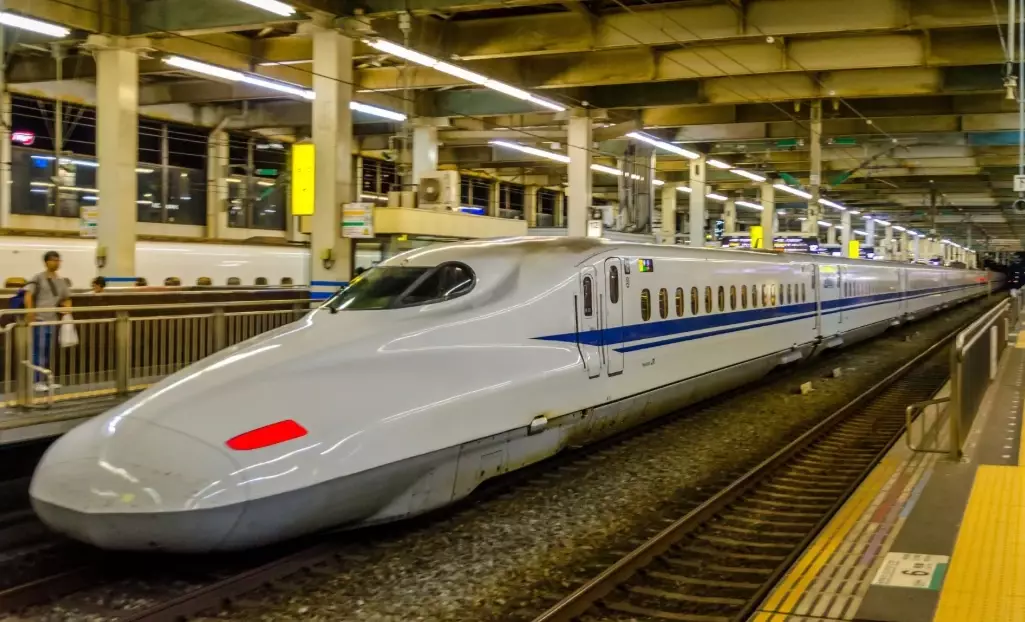
The train will glide in silently and precisely. Wait for people to get off first. Boarding is orderly and quick. There are overhead racks for smaller bags and space at the back of each car (or in front of your seat if you have the oversized luggage spot) for big ones. If you're traveling with a medium suitcase, you can often fit it in the space between the back of your seat and the seat in front of you, if you're facing forward. It's a tight fit, but it works.
On Board: Etiquette and Enjoying the Ride
You made it! Now, relax. This is the fun part.
Seat Features and Etiquette
The seats recline. Please do so gently. The fold-down tray table is in the seatback in front of you. The most magical button? On your armrest, there's usually one that lets you swivel your seat 180 degrees to face the people behind you. Great for groups of four.
Etiquette is big. Phone calls are a major no-no. Go to the space between cars if you must take a call. Set your phone to silent mode. Keep conversations at a moderate, indoor volume. It's a shared, quiet space. People sleep, read, work.
You can eat and drink on the Shinkansen! It's completely acceptable. Many people buy a beautiful ekiben (station lunch box) and a drink before boarding. There's a cart that comes through the cabin selling drinks, snacks, and sometimes light meals. It's charming. Just be tidy. All trash you bring on, you take off with you. There are small bags in the seatback pocket for your rubbish.
Facilities and Comfort
There are clean toilets at the end of each car (both Western and Japanese style). There are power outlets (usually one per pair of seats, near the window) and often USB ports. The Wi-Fi? It's available on most trains now, but I find it can be spotty. Don't plan on doing heavy streaming or video calls. Download your movies and playlists beforehand.
Between cars, you'll find smoking rooms (on some older trains), space for larger luggage, and water coolers with hot and cold water (perfect for making instant noodles or tea).
The View and the Famous Mount Fuji
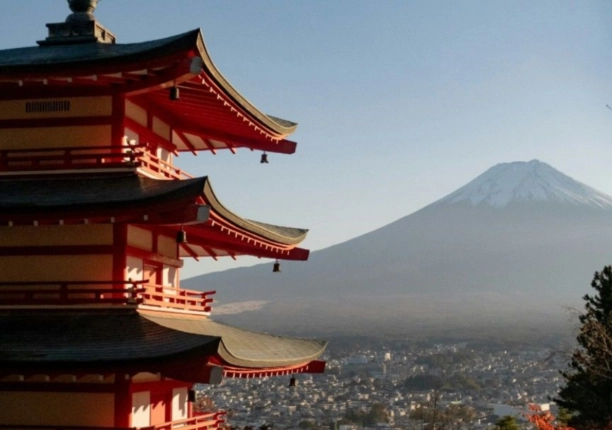
If you're traveling from Tokyo towards Kyoto/Osaka on the Tokaido Shinkansen, sit on the right side of the train (Seat D or E if numbered ABC-DEF). About 40-45 minutes after leaving Tokyo, if the weather is clear, you'll get an incredible, fleeting view of Mount Fuji out the window. It's a highlight for many. Heading back to Tokyo, sit on the left side (Seat A or B).
It lasts less than a minute, so have your camera ready. Or, just put it down and enjoy it with your own eyes. That's my preference.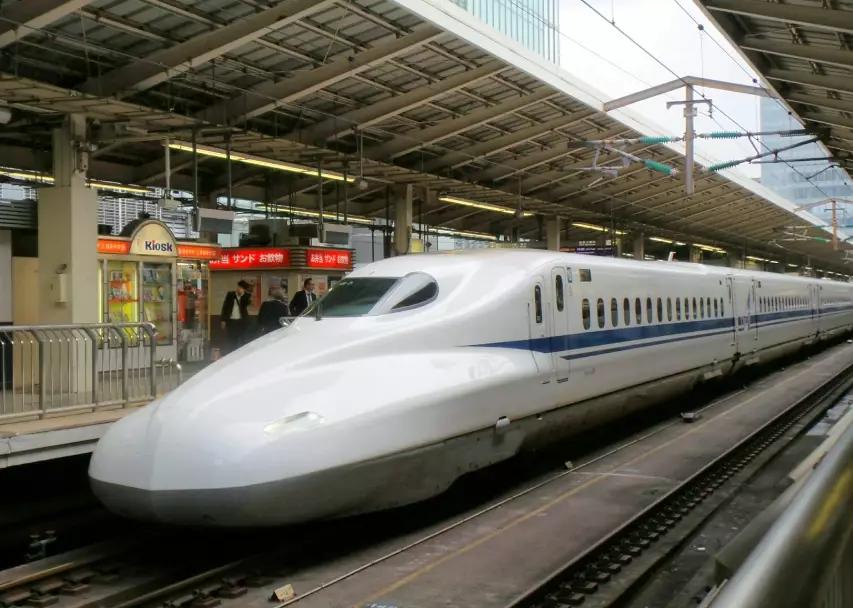
Arrival and Beyond: Exiting Like a Pro
The journey's end is simple. The train will slow down and stop with barely a bump. Gather your things before the train comes to a complete stop to avoid being that person blocking the aisle. Check the overhead rack, the seat pocket, and the floor around you. Leave nothing behind.
Exit the train and follow the signs for the exit (出札口, *deguchiguchi*) or to transfer to other local lines. At the Shinkansen ticket gate, insert your ticket one last time. The machine will keep it.
And that's it. You've successfully navigated the Shinkansen.
Top Shinkansen FAQs Answered
Let's tackle some of the specific questions that pop up again and again. These are the Shinkansen tips that answer the nitty-gritty.
Can I use my Suica/Pasmo card on the Shinkansen?
No, not for long-distance travel. Your IC card (Suica, Pasmo, etc.) is for local trains, buses, and convenience stores. For the Shinkansen, you need a separate ticket or pass. You can use it to pay the base fare for very, very short Shinkansen hops (like Tokyo to Omiya) with a special ticket, but it's complicated. For 99% of travelers, just get a proper ticket.
What's the difference between Nozomi, Hikari, and Kodama?
It's all about speed and stops. Nozomi is the fastest, making the fewest stops. Hikari is the next fastest, stopping at more major stations. Kodama is the local, stopping at every Shinkansen station. The Japan Rail Pass (ordinary) does NOT cover Nozomi trains. You must take Hikari or Kodama. If you're buying point-to-point tickets, you can take any of them. Nozomi gets you there quickest.
Is there food on the train? Should I buy it beforehand?
There is a snack cart, but its selection is limited. The real joy is in the ekiben culture. Every major station has multiple shops selling gorgeous, region-specific lunch boxes. Buying one before you board is a ritual and a highlight. My recommendation? Always buy your food and a drink at the station. Part of the experience.
What if I miss my reserved train?
Don't panic. If you have a reserved seat ticket, you cannot take a different train (unless it's the same train type and number on a later schedule due to a major delay, which is rare). You'll need to go to the ticket office, explain, and they will likely rebook you on the next available train, possibly for a small fee or for free if it's not busy. This is another reason non-reserved tickets offer flexibility.
Are there discounts or cheap Shinkansen tickets?
Yes, but mainly for residents. Tourists should look at the JR Pass (if the math works), or regional passes like the JR East Pass or JR West Kansai-Hiroshima Pass. Sometimes, advance purchase (kinen) tickets offer small discounts. For the average tourist, the main "discount" is choosing the slower Hikari over Nozomi if you have a JR Pass.
Final Thoughts: Making it Your Own
After all these Shinkansen tips and rules, here's the most important one: enjoy it. The Shinkansen isn't just transportation; it's a signature Japanese experience. It's about efficiency, respect, comfort, and witnessing the landscape blur past at 300 km/h.
It's about that moment of silent acceleration when you leave the station, the gentle sway, the quiet hum. It's about unwrapping your ekiben as the suburbs give way to mountains and rice fields. It's about arriving in a new city feeling relaxed, not drained from the journey.
Use these tips to remove the friction, to avoid the common pitfalls. But then, put the guide away. Look out the window. Have a sip of tea. Take a nap. You're riding one of the world's engineering marvels. That's pretty cool.
Safe travels, and enjoy the ride.

Share Your Thoughts