Let's cut to the chase. Planning a Tokyo itinerary for 6 days is exciting but overwhelming. You want to see the classics, eat incredible food, and maybe find a few spots away from the crowds. The good news? Six days is the sweet spot. It's enough to get a real feel for the city without rushing. After multiple trips and living there for a stretch, I've refined this 6-day Tokyo travel plan. It balances iconic sights with local neighborhoods, includes specific transport tips most guides miss, and leaves room for you to breathe. Forget the cookie-cutter lists. This is about building a trip you'll actually remember.
Your 6-Day Tokyo Journey at a Glance
- Day 1: Asakusa & Shibuya - Tradition Meets Modern Chaos
- Day 2: Shinjuku & Harajuku - Skyscrapers and Street Fashion
- Day 3: Odaiba & Ginza - Futuristic Island and Upscale Glamour
- Day 4: Akihabara & Ueno - Otaku Culture and Museum Day
- Day 5: Day Trip Day - Nikko, Kamakura, or Hakone?
- Day 6: Shibuya (Again) and Departure - Last-Minute Souvenirs
- Practical Tokyo Travel Info: Transport, Hotels, Budget
- Tokyo Itinerary FAQ: Your Burning Questions Answered
Day 1: Asakusa & Shibuya - Tradition Meets Modern Chaos
Start your Tokyo sightseeing plan where the city itself began. Head straight to Asakusa. The goal is to get to Senso-ji Temple early, before 9 AM if you can. The difference between 8:30 AM and 10:30 AM is the difference between a serene experience and shuffling through a human traffic jam.
Senso-ji Temple (Address: 2-chōme-3-1 Asakusa, Taito City). It's free to enter the temple grounds. The iconic Kaminarimon (Thunder Gate) and Nakamise-dori shopping street leading to the temple are quintessential Tokyo. Nakamise-dori is touristy, sure. But skip the generic trinkets and look for smaller stalls selling ningyo-yaki (small cake filled with red bean paste) or handmade kaminari-okoshi (sweet rice crackers). My take? The atmosphere is the real product here.
Afternoon, switch gears completely. Take the Ginza Line from Asakusa directly to Shibuya.
Your first stop is the Shibuya Scramble Crossing. It's a cliché for a reason. For the best view, don't just cross it. Go to the second-floor Starbucks in the Tsutaya building (it's always packed) or, better yet, the walkway connecting Shibuya Station to the Mark City building. It's free and less chaotic.
Next, pay your respects to Hachiko the loyal dog statue, right outside the station. Then, dive into shopping. Shibuya 109 is for trendy youth fashion. Tokyu Hands is a wonderland of DIY, stationery, and unique gadgets—it's easy to lose two hours here.
Where to Eat in Shibuya on Day 1
For dinner, you have two iconic choices. For a classic Shibuya izakaya (pub) experience, try Uobei Shibuya Dogenzaka (Address: 2-29-11 Dogenzaka). It's a futuristic conveyor belt sushi place where you order by tablet. Fun, fast, and surprisingly good for the price (about ¥1500-¥2500 per person).
If you want legendary ramen, head to Ichiran Shibuya (Address: 1-22-7 Jinnan). Yes, it's a chain and yes, there might be a line. But the solo-booth system, the rich tonkotsu broth, and the customizable spice level make it a reliable Tokyo rite of passage. Go for a late-night bowl after 10 PM to avoid the longest queues.
Day 2: Shinjuku & Harajuku - Skyscrapers and Street Fashion
Start at Shinjuku Gyoen National Garden (Address: 11 Naitomachi, Shinjuku City. Open 9:00-16:30, closed Mondays. Admission: ¥500). This is one of Tokyo's most beautiful and spacious gardens. It combines Japanese traditional, French formal, and English landscape styles. It's a peaceful escape from the surrounding skyscrapers. Spend a good 90 minutes here.
Walk south to the Tokyo Metropolitan Government Building (Address: 2-8-1 Nishishinjuku). Go up to the 45th-floor observatories. They are completely free. On a clear day, you can see Mount Fuji. It's the best free view in Tokyo, period. Most people only know about the paid Tokyo Skytree or Tokyo Tower.
Afternoon, take the JR Yamanote Line one stop to Harajuku. First, visit Meiji Jingu (Address: 1-1 Yoyogikamizonocho, Shibuya City), a serene Shinto shrine dedicated to Emperor Meiji, nestled in a dense forest. The contrast with Harajuku's chaos is startling. Enter from the south near Harajuku Station.
Then, dive into the chaos of Takeshita Street. This is the epicenter of hyper-trendy, sometimes bizarre, youth culture. Think rainbow candy floss, crepe stands, and animal cafes. It's packed, loud, and an essential sensory experience. For a slightly more mature take on Harajuku fashion, explore the side streets and Cat Street connecting to Shibuya.
Omotesando & A Neighbourhood Dinner
Walk down the elegant, tree-lined Omotesando, often called Tokyo's Champs-Élysées. For dinner, escape the main drag. Head into the backstreets of Nishihara or Yoyogiuehara. You'll find fantastic, low-key restaurants. I stumbled into a tiny tonkatsu (pork cutlet) place called Maisen Aoyama (Address: 4-8-5 Jingumae) in a converted public bathhouse. It's famous, but the quality justifies it. A set meal costs around ¥2000.
Day 3: Odaiba & Ginza - Futuristic Island and Upscale Glamour
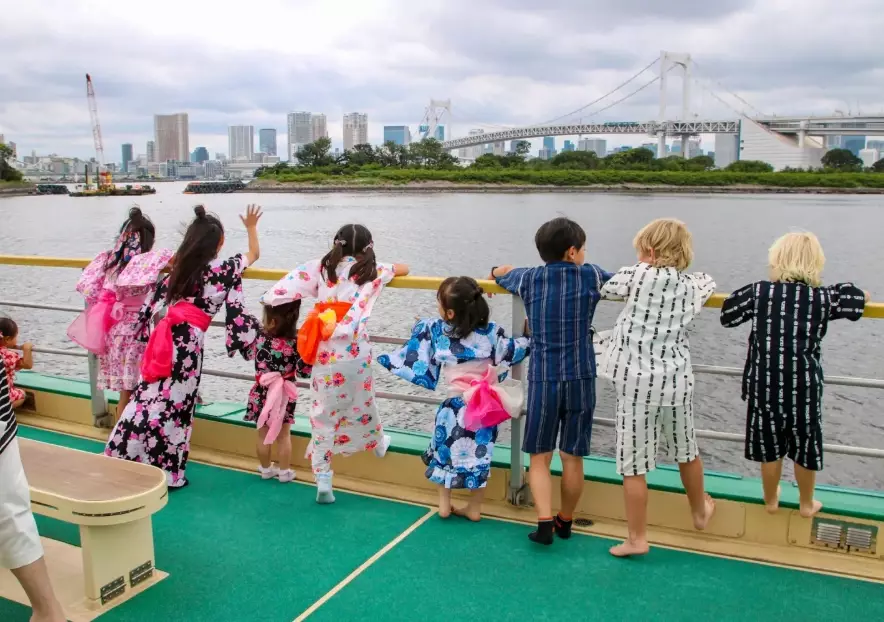
Odaiba is a futuristic entertainment district built on a man-made island in Tokyo Bay. To get there, take the Yurikamome automated train from Shimbashi Station. The ride itself is an attraction, offering panoramic views over the Rainbow Bridge.
Must-sees in Odaiba:
- teamLab Borderless (if it has reopened at its new location): A digital art museum you literally get lost in. Book tickets weeks in advance.
- Gundam Unicorn at DiverCity Tokyo Plaza: A massive, transforming robot statue that's a pilgrimage site for fans.
- Oedo-Onsen Monogatari: A hot spring theme park if you need to soak tired feet (note: some tattoos may be restricted).
In the late afternoon, head back to central Tokyo and get off at Ginza. This is luxury shopping central—think Chanel, Gucci, and flagship Japanese department stores like Mitsukoshi and Wako. Even if you're not buying, window-shopping here is an experience.
For dinner, you don't need to spend a fortune. The basements (depachika) of these department stores are food heavens with exquisite prepared foods and sweets. Grab a selection for a gourmet picnic. Or, find a standing sushi bar (tachigui) in the side streets for a quick, high-quality meal. Sushi Kyubey is legendary but requires reservations and budget.
Day 4: Akihabara & Ueno - Otaku Culture and Museum Day
Dedicate your morning to Akihabara, the Electric Town and heart of otaku (geek) culture. It's a spectacle of neon, manga, anime, and electronics. Don't just walk the main street (Chuo Dori). Go into the multi-story arcades like GiGO, browse the endless aisles of figurines at Mandarake Complex, and experience a maid cafe if you're curious (set expectations accordingly—it's more about the quirky performance than the food).
Afternoon, take the short train ride to Ueno. Ueno Park is a cultural hub. You can choose from several world-class museums:
- Tokyo National Museum (¥1000): The best collection of Japanese art and artifacts in the world.
- National Museum of Nature and Science (¥630): Great for families.
- Ueno Zoo (¥600): Japan's oldest zoo, home to giant pandas.
End the day at Ameya Yokocho (Ameyoko), a bustling market street running alongside the Ueno Station tracks. It's less touristy than Tsukiji Outer Market and has a fantastic, lively atmosphere. You can find everything from fresh fish and spices to cheap clothes and sneakers. Grab some street food for dinner here.
Day 5: Day Trip Day - Nikko, Kamakura, or Hakone?
You have a solid 6-day Tokyo itinerary, so use one day to see beyond the metropolis. Your top three choices:
| Destination | Travel Time (One Way) | Key Attractions | Best For |
|---|---|---|---|
| Nikko | ~2 hours by Tobu Railway | Toshogu Shrine (a UNESCO site with incredible carvings), scenic mountains, waterfalls. | History, grand architecture, nature. |
| Kamakura | ~1 hour by JR Yokosuka Line | The Great Buddha (Daibutsu), numerous Zen temples (like Hase-dera), beach vibe. | Easy trip, temple hopping, coastal feel. |
| Hakone | ~1.5 hours by Odakyu Romancecar | Views of Mt. Fuji (weather permitting), hot springs (onsen), Open-Air Museum, pirate ship on Lake Ashi. | Fuji views, classic onsen experience, varied transport (train, cable car, boat). |
My personal recommendation for a first-timer is Kamakura. It's the easiest logistically, cheaper, and gives you a perfect taste of historic Japan without the full-day travel commitment of Nikko. Buy a Kamakura-Enoshima Free Pass from Odakyu Railways at Shinjuku Station—it covers your round-trip and unlimited local buses.
If you choose Hakone, the Hakone Free Pass is absolutely essential. It covers the loop of transport (train, bus, cable car, pirate ship) and gets you discounts.
Day 6: Shibuya (Again) and Departure - Last-Minute Souvenirs
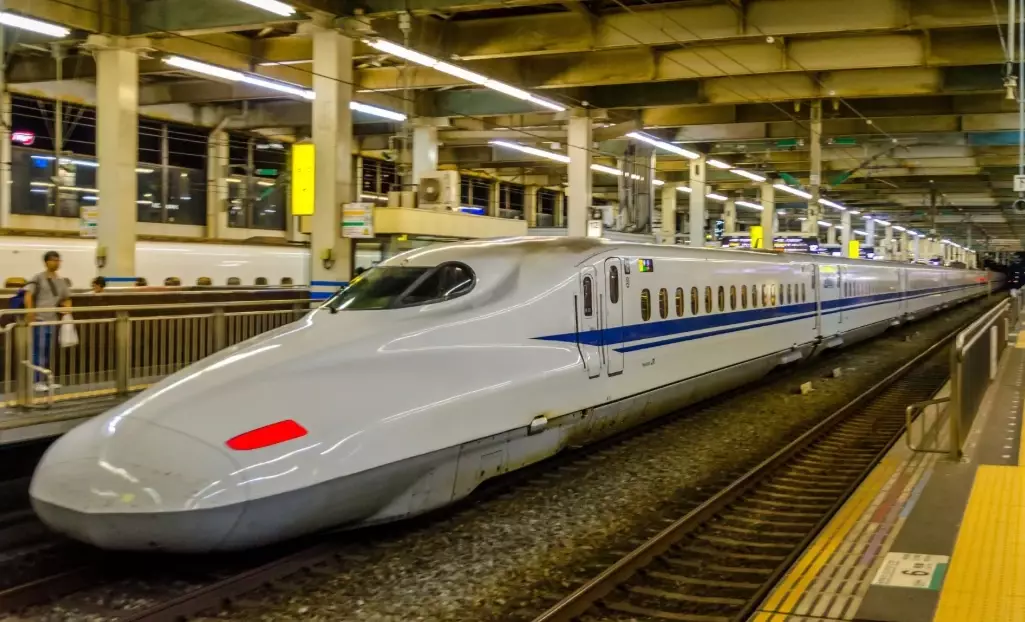
Your last day depends on your flight time. If you have a morning flight, head straight to Narita or Haneda Airport via the Narita Express (N'EX) or Tokyo Monorail respectively. Both are the most reliable and comfortable options.
If you have an afternoon or evening flight, use the morning for last-minute shopping and revisiting a favorite spot. Shibuya is a good hub for this.
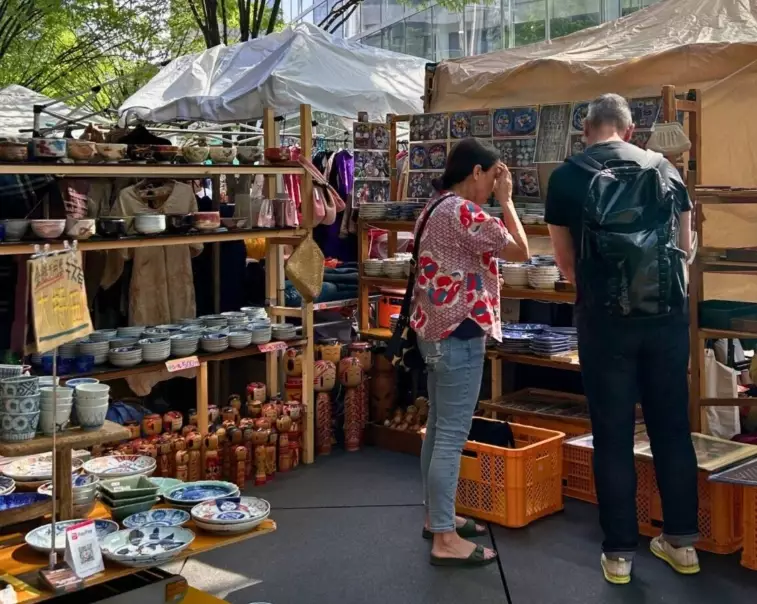
- Don Quijote Shibuya: The iconic, chaotic discount store for all your souvenir needs—from KitKats to samurai swords (replica). It's open 24 hours.
- Loft or Tokyu Hands: For beautiful stationery, kitchenware, and design goods.
- Miyashita Park: A new complex with shops, food, and a rooftop park.
Have a final lunch. Maybe that ramen place you missed, or a comforting bowl of katsu-don (pork cutlet rice bowl). Then, collect your luggage (most hotels will hold it after checkout) and head to the airport with plenty of time.
Practical Tokyo Travel Info: Transport, Hotels, Budget
How to Get Around Tokyo?
The subway and JR trains are your best friends. For this 6-day Tokyo travel plan, a Suica or Pasmo rechargeable IC card is non-negotiable. Tap on, tap off for all trains, subways, and even many buses and convenience stores. You can buy them at any major station.
Should you get a JR Pass? For a Tokyo-only itinerary of 6 days, no. The Japan Rail Pass is for long-distance Shinkansen travel between cities. It won't pay off within Tokyo. However, consider a Tokyo Subway Ticket (24/48/72-hour unlimited rides on Tokyo Metro and Toei lines) if your daily travel is very heavy. Often, just using the Suica card as you go is simpler and costs about the same.
Where to Stay in Tokyo for 6 Days?
Base yourself near a major JR Yamanote Line station for maximum convenience.
- Shinjuku: Ultimate transport hub, tons of dining/nightlife. Can feel overwhelming. (Hotel Example: Hotel Sunroute Plaza Shinjuku, mid-range, great location).
- Shibuya: Youthful, vibrant, great shopping. Can be noisy. (Hotel Example: Shibuya Excel Hotel Tokyu, connected to the station).
- Tokyo Station / Marunouchi: More business-like, clean, central for bullet trains. Slightly less nightlife. (Hotel Example: Hotel Ryumeikan Tokyo, classic and refined).
- Ueno / Asakusa: More traditional feel, often better value, direct access to airports. Slightly further from the western hubs like Shibuya/Shinjuku.
Realistic Budget for 6 Days in Tokyo
Excluding international flights, per person:
- Budget (¥8,000-¥10,000/day): Capsule hotel/budget business hotel, convenience store meals/standing bars, minimal paid attractions.
- Mid-Range (¥15,000-¥25,000/day): Comfortable business hotel (¥12,000-¥18,000/night), restaurant meals, paid attractions, some shopping. This is the sweet spot for most.
- Luxury (¥40,000+/day): 4-5 star hotels, fine dining, private guides.
Tokyo Itinerary FAQ: Your Burning Questions Answered
Is 6 days in Tokyo too much or too little?
What's the biggest mistake people make when planning their Tokyo itinerary?
I'm overwhelmed by Tokyo's food scene. How do I choose where to eat?
What should I absolutely book in advance for my 6-day trip?
Is it easy to get by with only English in Tokyo?
Share Your Thoughts