November in Tokyo is a sweet spot. The intense summer heat and humidity are distant memories, the rainy season is long gone, and the bitter winter chill hasn't settled in yet. What you get instead are crisp, sunny days, comfortable temperatures perfect for walking, and the city beginning to blaze with autumn colors. It's arguably one of the best times to visit. But with only three days, you need a plan that's efficient, immersive, and captures the essence of both modern and traditional Japan. This isn't just a list of places; it's a tested, logical flow based on geography and vibe, designed to maximize your time and minimize backtracking.
Your 3-Day Tokyo November Adventure at a Glance
Day 1: Harajuku, Shibuya & Shinjuku – The Modern Pulse
Start your trip diving into the energetic, youth-driven heart of modern Tokyo. This day is about contrast: serene nature followed by sensory overload.
Morning (9:00 AM - 12:00 PM): Meiji Jingu & Harajuku's Backstreets
Take the JR Yamanote Line to Harajuku Station. Right across from the chaotic Takeshita Street entrance lies the solemn, forested path to Meiji Jingu. This Shinto shrine, dedicated to Emperor Meiji, is a vast oasis. The walk through the evergreen forest is peaceful, but in November, look for the gingko trees near the entrance—they turn a brilliant gold. Admission is free. The main shrine opens at sunrise and closes around sunset (varies by month). Aim to arrive early to beat the crowds and enjoy the tranquility. Spend about 90 minutes here.
Exit back to Harajuku, but skip the packed Takeshita Street for now. Instead, wander into the backstreets like Cat Street or the area around Omotesando. You'll find quieter, trendy boutiques and cafes. Around 11:30 AM, when the teen crowds on Takeshita Street are at their peak, you can quickly walk through it for the spectacle—the crepe stands, the quirky fashion stores—but don't plan to shop seriously here unless you love crowds.
Afternoon (12:30 PM - 5:00 PM): Shibuya Scramble & Hachiko
It's a 15-minute walk or a quick train ride (one stop on the JR Yamanote Line) to Shibuya. First, witness the iconic Shibuya Crossing from the ground level. Then, for the best view, head to the second-floor Starbucks in the Tsutaya building (it's always busy) or, better yet, the Mag's Park rooftop on the Magnet by Shibuya 109 building (costs about 300 yen). Pay your respects to the Hachiko Statue, the loyal dog, a classic meeting spot.
Lunch options are endless. For a quick, authentic, and budget-friendly meal, try the standing soba noodle bar “Soba” in the Shibuya Tokyu Food Show underground. For a unique experience, Genki Sushi offers conveyor belt sushi you order via tablet. After lunch, explore Center Gai or the massive Shibuya Scramble Square complex. Its rooftop observation deck, Shibuya Sky (advance booking essential), offers breathtaking 360-degree views.
Evening (5:30 PM onwards): Shinjuku's Neon Canvass
Another short ride on the JR Yamanote Line (about 5 minutes) brings you to Shinjuku. Exit the station's East Exit and you're at the doorstep of the Godzilla Head peering from the Hotel Gracery. As dusk falls, dive into Kabukicho—be mindful, stick to main streets—to see the neon spectacle. For dinner, head to the atmospheric Omoide Yokocho (Memory Lane) or the more organized but equally compelling Golden Gai, a network of tiny, themed bars. Be polite; some bars are for regulars. Look for ones with English menus or welcoming signs.
End the night with a free view from the Tokyo Metropolitan Government Building observatories in the South Tower (open until 11:00 PM, last entry 10:30 PM). It's less crowded than other paid options and offers a fantastic night vista.
Day 2: Asakusa, Ueno & Akihabara – History, Culture & Subculture
Today shifts gears to old Tokyo, museums, and the heart of otaku culture.
Morning (9:00 AM - 1:00 PM): Asakusa's Spiritual Core
Take the Ginza Line subway directly to Asakusa Station. Walk down the Nakamise-dori shopping street towards Senso-ji Temple, Tokyo's oldest. Try traditional snacks like ningyo-yaki (small cake) or age-manju (fried bun). The temple grounds are free. Visit the main hall, purify yourself at the fountain, and get your fortune (omikuji for 100 yen). For a different perspective, a 10-minute walk gets you to the Asakusa Culture Tourist Information Center; its free 8th-floor viewing deck looks right over the temple complex.
Consider a short Sumida River cruise from nearby Azuma Bridge to Hama-rikyu Gardens or Odaiba. The views of the Tokyo Skytree and the city skyline are particularly pleasant on a clear November day.
Afternoon (1:30 PM - 5:00 PM): Ueno Park's Treasures
From Asakusa, take the Ginza Line two stops to Ueno. You'll emerge at Ueno Park, a major spot for autumn leaves, with gingko and maple trees lining its paths. You have choices here based on interest:
- Tokyo National Museum: The country's premier art and archaeology museum. (Closed Mondays, 1000 yen).
- National Museum of Nature and Science: Great for families. (Closed Mondays, 630 yen).
- Ueno Zoo: Japan's oldest zoo. (Closed Mondays, 600 yen).
- Or, simply stroll around Shinobazu Pond and enjoy the fall scenery for free.
Evening (5:30 PM onwards): Akihabara's Electric Town
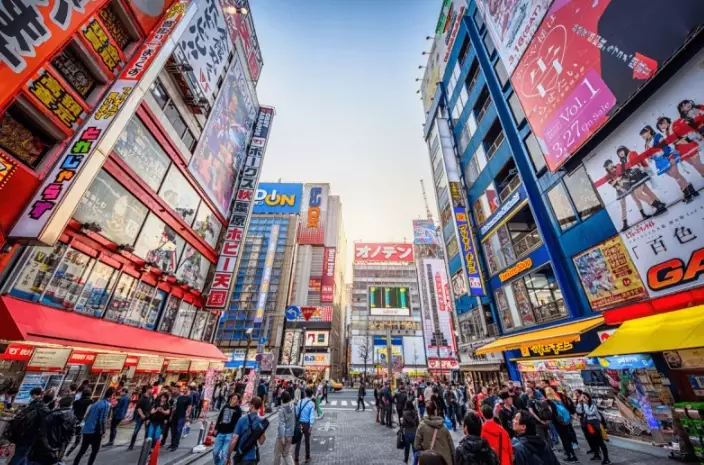
As the sun sets, take the JR Yamanote Line from Ueno (just one stop) to Akihabara. The district truly comes alive at night with its multi-story electronics stores, anime goods shops, and arcades. Have dinner at a themed cafe—like a maid cafe or a Gundam Cafe—for the full experience. Explore the Yodobashi Camera or Bic Camera complexes for gadgets, or dive into stores like Mandarake for vintage anime and manga. The vibe here is unlike anywhere else in the world.
Day 3: Tsukiji, Ginza & Roppongi – Refinement, Shopping & Skyline
A more sophisticated final day, blending the old market energy with high-end glamour and art.
Morning (7:30 AM - 10:30 AM): Tsukiji Outer Market
The famous tuna auction moved to Toyosu, but the Tsukiji Outer Market (Jogai Shijo) is very much alive and is a foodie paradise. Come early for breakfast. Wander the narrow lanes and sample fresh oysters, tamagoyaki (sweet omelet), uni (sea urchin), and fatty tuna skewers. Notable stalls include Sushi Dai (still famous, still with long lines) or Marutake for tamagoyaki. It's crowded, but the energy is authentic. Most stalls operate from 5:00 AM until early afternoon.
Late Morning to Afternoon (11:00 AM - 4:00 PM): Ginza's Elegance
From Tsukiji, it's a walkable distance or a short subway ride to Ginza. This is Tokyo's luxury shopping district. Window-shop at flagship stores like Uniqlo (12 floors), Mitsukoshi department store, or Ginza Six. For lunch, try the basement food halls (depachika) of major department stores for an incredible array of gourmet takeaway options, or sit down for a high-end sushi lunch (many offer affordable set menus at midday).
Art lovers should note that the Ginza Graphic Gallery or nearby Hibiya area often have excellent exhibitions.
Late Afternoon & Evening (4:30 PM onwards): Roppongi Art & Night Views
Head to Roppongi via the Hibiya Line subway. Your destination is Roppongi Hills or Tokyo Midtown. Both are mixed-use complexes perfect for a November evening. At Roppongi Hills, visit the Mori Art Museum (often contemporary exhibitions) and go to the Tokyo City View observation deck. The open-air Sky Deck (weather permitting) is spectacular as the city lights up. Alternatively, Tokyo Midtown is beautifully illuminated and often has special autumn night illuminations (Midtown Christmas usually starts in mid-November). Have your farewell dinner at one of the many restaurants in either complex, enjoying a final, elevated view of the Tokyo metropolis.
Why November is Special & Key Tips for Your Visit
November isn't just about nice weather. The autumn foliage (koyo) season peaks in Tokyo from late November into early December. While not as dramatic as Kyoto, spots like Rikugien Garden (special night illuminations), Yoyogi Park, Showa Kinen Park (in Tachikawa, a short train ride away), and the grounds of Meiji Jingu become stunning canvases of red and gold. Check the Japan Meteorological Corporation's annual foliage forecast for precise timing.
Packing is straightforward: layers. Daytime in early November can be around 18°C (64°F), dropping to 10°C (50°F) or lower at night. A light jacket, sweater, scarf, and comfortable walking shoes are non-negotiable. An umbrella is still wise for occasional showers.
| Key Spot | November Highlight | Practical Note |
|---|---|---|
| Meiji Jingu / Outer Garden | Golden Gingko Tree Avenue | Free access; most vibrant late Nov. |
| Rikugien Garden | Stunning Maple Trees & Evening Illuminations | Paid entry (300 yen). Illumination requires separate timed ticket (advance purchase online is crucial). |
| Shinjuku Gyoen National Garden | Diverse tree species offer varied fall colors | Entry fee 500 yen. Closed Mondays. |
| Yoyogi Park | Large open spaces with colorful trees | Free, great for a relaxed stroll. |
How to Get Around Tokyo Efficiently in 3 Days
Public transport is your best friend. The JR Yamanote Line (the green loop line) connects most major areas in this itinerary: Harajuku, Shibuya, Shinjuku, Ueno, Akihabara. For subways (Toei and Tokyo Metro lines), a prepaid IC card (Suica or Pasmo) is essential. Tap in and out; it works on almost all trains, buses, and even at convenience stores. You can get one at any major station airport. For this itinerary, a 72-hour Tokyo Metro subway pass *might* save money if you stick to the subway, but the IC card's flexibility is usually worth it for mixed travel. Use apps like Google Maps or Japan Travel by Navitime for real-time, precise routing.
Your Tokyo November Trip Questions Answered
So there you have it. A three-day Tokyo trip in November is less about checking off every single landmark and more about experiencing the rhythm of the city during one of its most pleasant seasons. Feel the contrast between serene shrines and buzzing crossings, taste the seasonal bounty, and look up—whether at golden leaves or neon skyscrapers. With this plan, you'll do just that.

Share Your Thoughts