You've seen the chaotic, neon-lit wonderland that is Don Quijote (or "Donki" as locals call it). You know it's the place for everything from Japanese snacks and cosmetics to quirky souvenirs and even kitchen appliances. But here's the real draw for visitors: it's a goldmine for tax-free shopping. Getting that 10% consumption tax refund can feel like winning a mini-lottery, especially when you're loading up on gifts. The process, however, isn't always as straightforward as walking out with a bag. I've seen too many tourists confused at the counter, missing out on savings because of a small oversight. Let's fix that.
What's Inside This Guide
Who Qualifies for Tax-Free Shopping?
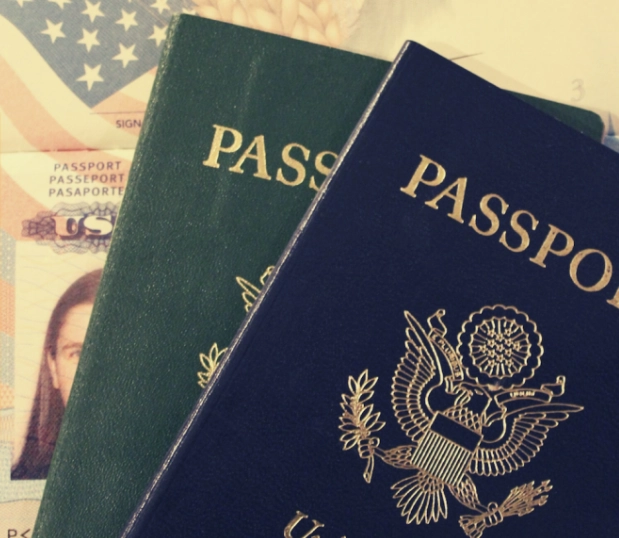
First things first. Not everyone gets the tax break. You must be a foreign tourist visiting Japan on a "Temporary Visitor" status. This is the stamp or sticker you get in your passport upon entry, typically valid for 15, 30, or 90 days. Japanese residents, even foreign residents with a long-term visa, are not eligible.
The second rule is the minimum spend. At Don Quijote, like most stores, you need to spend 5,000 yen (before tax) in a single transaction on eligible items. This is per receipt, not per day. You can't combine receipts from different times you shopped.
Pro Tip: Always carry your passport when you plan to shop. No passport, no tax-free service. A photo or photocopy won't work—they need to physically attach the tax-free slip to your passport.
The Don Quijote Tax-Free Process: Step-by-Step
Don't just grab a basket and head to checkout. There's a method to the madness.
1. Find the Tax-Free Eligible Items
Not everything in Donki is tax-free. Look for signs that say "Tax-Free" or have a blue-and-white tax-free logo. Generally, it's divided into two categories: General Goods (souvenirs, appliances, bags, etc.) and Consumables (food, drinks, cosmetics, medicine). This distinction becomes crucial later.
2. Shop and Hit the 5,000 Yen Threshold
Do your shopping as normal. Keep a mental tally or use the calculator on your phone. Remember, it's 5,000 yen before tax. So if an item is labeled 1,100 yen (1,000 yen + 10% tax), only 1,000 yen counts toward your minimum.
3. Head to the Designated Tax-Free Counter
This is the most critical step many miss. Do not go to a regular checkout. Look for a counter specifically marked "Tax-Free" or ask staff. In larger stores like the Shibuya or Shinjuku flagships, it's usually on a separate floor or a clearly marked area. In smaller branches, it might just be one specific register.
4. Present Your Passport and Items
The staff will scan your items. You must show your passport (the Temporary Visitor page). They will fill out a tax-free purchase record slip and staple it into your passport. You cannot use the items in Japan. Consumables will be sealed in a special clear bag. You are not allowed to open this bag until you leave Japan.
5. Pay the Tax-Excluded Price
You pay the total price minus the 10% consumption tax right there. That's your discount. You'll get a receipt and the tax-free slip in your passport.
Heads Up: Some Don Quijote stores use an electronic system where the tax-free slip is generated digitally and linked to your passport. You might not get a physical slip stapled in, but the record is created. Always confirm with the staff.
6. At the Airport: The Final Step
For purchases over 500,000 yen, you might need to show items at Customs. For most Donki hauls, you simply drop the tax-free purchase record slip (the one in your passport) into a designated box at the airport after you pass through immigration and security, but before you board your plane. Look for the "Tax-Free" drop-off boxes. If you forget, theoretically you could be charged the tax later.
What Can You Actually Buy Tax-Free at Donki?
This is where Don Quijote shines. The variety is insane. Here’s a breakdown of the best tax-free categories.
| Category | Examples (What to Look For) | Approx. Price Range (Tax-Ex) | Notes |
|---|---|---|---|
| Japanese Snacks & Candy | Kit Kats (matcha, sake, strawberry), Tokyo Banana, Pocky, Royce chocolate, local potato chips. | 200 - 2,000 yen | Consumables. Will be sealed. Perfect for gift boxes. |
| Cosmetics & Skincare | Shiseido, Kose, DHC lip cream, Hada Labo lotion, face masks (utena, Lululun), canmake makeup. | 500 - 5,000 yen | Consumables. Huge selection, often cheaper than duty-free at the airport. |
| Souvenirs & General Goods | Kawaii character goods (Hello Kitty, Rilakkuma), Tenugui cloths, chopsticks, yukata, Donki-exclusive toys. | 500 - 10,000+ yen | General Goods. Can use in Japan. Best for non-edible gifts. |
| Electronics & Appliances | Hair styling tools (Panasonic, Tescom), rice cookers, massage guns, headphones. | 3,000 - 30,000 yen | General Goods. Check voltage compatibility (Japan is 100V). |
| Pharmaceuticals | Eyedrops (Sante FX), pain patches (Salonpas), cooling gels, vitamins. | 500 - 3,000 yen | Consumables. Sealed. Popular for personal use. |
My personal strategy? I make a list. I hit the snack aisle first, grabbing all the limited-edition flavors. Then I move to cosmetics for my friends' requests. Finally, I browse the general goods for quirky souvenirs—the Donki-brand merchandise is always a hit. Grouping by category helps me keep track of the 5,000 yen minimum for each transaction type if needed.
Best Don Quijote Stores for Tax-Free Shopping
Not all Donkis are created equal. The mega-stores in tourist hubs are built for this, while smaller suburban ones might have limited tax-free support.
Don Quijote Shibuya Main Store (24 hours): The most famous. Eight floors of chaos. The tax-free counter is on the 6th floor. It's crowded, but they have the most stock. Address: 28-6 Udagawacho, Shibuya City, Tokyo.
Don Quijote Shinjuku Kabukicho Store (24 hours): Another giant, right in the heart of the entertainment district. Multiple tax-free counters. Perfect for a late-night shopping spree. Address: 1-16-5 Kabukicho, Shinjuku City, Tokyo.
Don Quijote Dotonbori Store, Osaka: Right in the middle of the iconic Dotonbori strip. Expect crowds, but it's an experience. The tax-free process here is usually smooth. Address: 7-13 Soemoncho, Chuo Ward, Osaka.
For a slightly less overwhelming experience, try the Don Quijote in Ginza or the one near Asakusa. They're still large but can be marginally calmer than Shibuya.
Common Mistakes to Avoid (Save Yourself the Headache)
After helping dozens of friends navigate Donki, I've seen the same errors repeatedly.
Mistake 1: Mixing consumables and general goods without a plan. If you buy a 3,000 yen bag (general goods) and 2,500 yen of snacks (consumables) in one transaction, you've hit 5,500 yen. But some stores process them separately for tax-free purposes, which could mean neither transaction hits the 5,000 yen minimum. Solution: Ask the staff before they start scanning if your combined basket qualifies, or try to group items by category.
Mistake 2: Opening the sealed consumables bag before departure. This is a big one. Customs could ask to see the seal unbroken. If it's broken, they can theoretically charge you the tax. I've never seen it happen, but why risk it? Just wait until you're on the plane or back home.
Mistake 3: Not budgeting enough time. The tax-free counter is almost always slower than a regular checkout. There's paperwork. Don't go 30 minutes before you need to catch a train. Give yourself at least an extra 15-20 minutes.
Mistake 4: Assuming every item is tax-free. Some sale items or specific brands might be excluded. Always look for the sign. If in doubt, show the item to a staff member and ask, "Tax-free?"
Your Tax-Free Donki Questions, Answered
Tax-free shopping at Don Quijote is one of the most rewarding parts of a trip to Japan. It turns an already fun shopping adventure into a smart financial move. Just remember your passport, aim for that 5,000 yen mark, find the right counter, and keep those consumables sealed. Do that, and you'll navigate the glorious, overwhelming world of Donki like a pro, leaving with a lighter wallet (in a good way) and bags full of unique Japanese finds.

Share Your Thoughts