Tokyo hits you all at once. The neon, the quiet temples, the rush of the world's busiest crosswalk, the smell of yakitori from a tiny alley. It's a lot. For a first-timer, planning a week here can feel impossible. You want to see everything, but you also don't want to spend your vacation in a panic, running from subway line to subway line. After more trips than I can count, and after watching countless friends make the same frantic mistakes, I've built this 7-day Tokyo itinerary. It's not just a list of places. It's a rhythm—a mix of iconic must-sees, local neighborhoods, and breathing room. It's how you see Tokyo without ending up exhausted.
Your Tokyo Week at a Glance
Before You Go: Tokyo Essentials
Get these three things sorted before you land, and your trip will be smooth from the moment you step out of Narita or Haneda Airport.
Pocket Wi-Fi or eSIM: Google Maps is your lifeline. Do not rely on public Wi-Fi. Rent a pocket Wi-Fi for pickup at the airport or, even easier, buy a Japan travel eSIM online before you go and activate it when you land. I've used Sakura Mobile and iVideo without issues.
Suica/Pasmo Card: This rechargeable IC card is for all Tokyo trains, subways, and buses. You can also use it at convenience stores and many vending machines. Get one at any station ticket machine. Just tap and go. Pro tip: Add money at the station before your morning rush, not when you're in a hurry.
Cash: Japan is still a cash society in many places, especially small restaurants, temples, and market stalls. Withdraw yen from an international ATM at the airport or a 7-Eleven (they're everywhere and have great ATMs).
A Non-Consensus Tip Most Guides Miss: Don't try to see everything in one district in a single go. Tokyo is best experienced in layers. This itinerary groups areas logically to minimize backtracking. The biggest mistake first-timers make is trying to do Shibuya, Harajuku, and Shinjuku all in one day because they look close on a map. You'll walk 20,000 steps and remember only the crowds. We'll spread it out.
Day-by-Day Breakdown of Your 7 Days in Tokyo
Here’s the core of your trip. Each day balances sightseeing, culture, food, and some flexibility.
Day 1: Arrival & Asakusa – Traditional Tokyo
Land, get to your hotel, and fight the urge to nap. Head straight to Asakusa.
- Senso-ji Temple: Tokyo's oldest temple. Walk through the thunder gate (Kaminarimon), down the bustling Nakamise-dori shopping street (try the fresh ningyo-yaki cakes), and to the main hall. Free to enter, open 6:00 AM to 5:00 PM.
- Asakusa Culture & Tourist Information Center: Right across from Kaminarimon. Go to the 8th-floor free observation deck for a fantastic, uncrowded view of the temple complex and Tokyo Skytree.
- Evening at Tokyo Skytree: Take the short train to Tokyo Skytree. Book your tickets online in advance to skip the long lines. The view at sunset, as the city lights up, is worth it. (Tembo Deck: ¥2,100, Tembo Galleria: ¥1,000 extra).
- Dinner: Find a tempura restaurant in Asakusa. Tempura Daikokuya is a famous, no-frills spot (1-38-10 Asakusa, open 11:00-20:30, expect a queue).
Day 2: Shinjuku & Harajuku – Modern & Youth Culture
Start in Shinjuku, the business and entertainment hub.
- Shinjuku Gyoen National Garden: A massive, stunning park with Japanese, French, and English gardens. It's a serene escape from the skyscrapers. (¥500, open 9:00-16:30, closed Mondays).
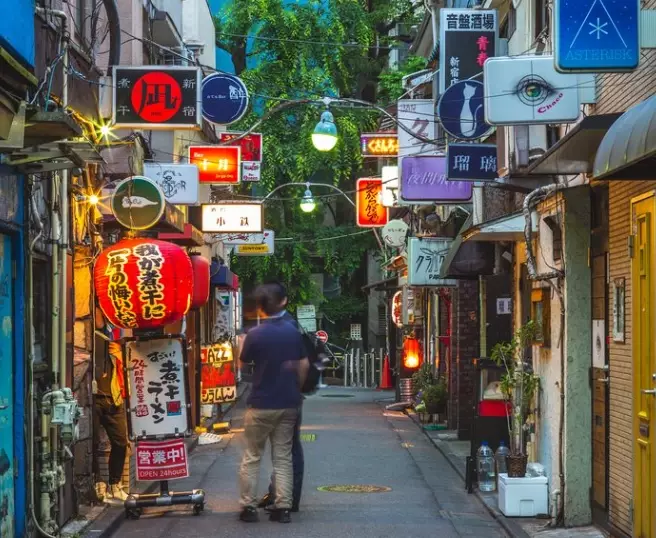
- Lunch in Omoide Yokocho ("Piss Alley"): A network of tiny, atmospheric alleyways packed with yakitori and small eateries. It's cramped, smoky, and utterly authentic. Just point at what looks good.
- Afternoon in Harajuku: Take the train one stop to Harajuku. Walk down Takeshita Street for a sensory overload of crepes, colorful fashion, and teenage energy. Then, escape to the adjacent Meiji Jingu, a serene Shinto shrine dedicated to Emperor Meiji, set in a dense forest. (Free, shrine closes around sunset).
- Evening in Shinjuku: See the iconic Godzilla head on the Hotel Gracery building. Then, experience the organized chaos of the Shinjuku Station crossing from above at the Tokyo Metropolitan Government Building observatories. They're free and open until 11:00 PM.
Day 3: Tokyo Disney Resort – A Day of Magic
Pick one: Tokyo Disneyland for the classic experience or Tokyo DisneySea for its unique, nautical themes (arguably the best Disney park in the world).
- Tickets: Buy online well in advance, especially for weekends. The official site often sells out.
- Getting There: Take the JR Keiyo Line or Musashino Line from Tokyo Station to Maihama Station (about 15 minutes).
- Pro Tip: If you're adults without kids, I lean towards DisneySea. The rides like "Journey to the Center of the Earth" and "Tower of Terror" are more intense, and the food and drink options (yes, they serve alcohol here) are more sophisticated.
Day 4: Shibuya & Omotesando – Scramble & Style
Start at the Shibuya Scramble Crossing. For the best view, grab a window seat at the Starbucks in the Tsutaya building (get there early) or go to the Shibuya Sky rooftop observatory (book tickets online).
- Hachiko Statue: The famous loyal dog meeting spot, right outside the station.
- Lunch: Shibuya is ramen heaven. Ichiran is the famous solo-dining booth experience (multiple locations). For something different, try Afuri for its yuzu-flavored shio ramen.
- Afternoon in Omotesando & Daikanyama: Walk from Shibuya up the chic, tree-lined Omotesando Avenue (Tokyo's Champs-Élysées) towards Harajuku. Explore the side streets for designer stores and architecture. If you prefer a quieter vibe, head to nearby Daikanyama, a relaxed, stylish neighborhood with great bookstores and cafes.
- Evening: Dinner in Shibuya's non-stop dining scene. Try a yakitori place in the Nonbei Yokocho (Drunkard's Alley) area for tiny bars and grilled skewers.
Day 5: Odaiba & TeamLab – Futuristic Tokyo
A change of pace on Tokyo's man-made island in the bay.
- TeamLab Borderless or Planets: This is a must. TeamLab Planets (currently in Toyosu) involves walking through water and immersive digital art. You must book a timed entry ticket online weeks ahead. (Approx. ¥3,800).
- Odaiba: Take the futuristic Yurikamome automated train across the Rainbow Bridge. See the Gundam Unicorn statue at DiverCity, walk on the fake beach at Odaiba Seaside Park, and visit the teamLab Borderless museum if you choose that experience (reopened in 2024 in Azabudai Hills).
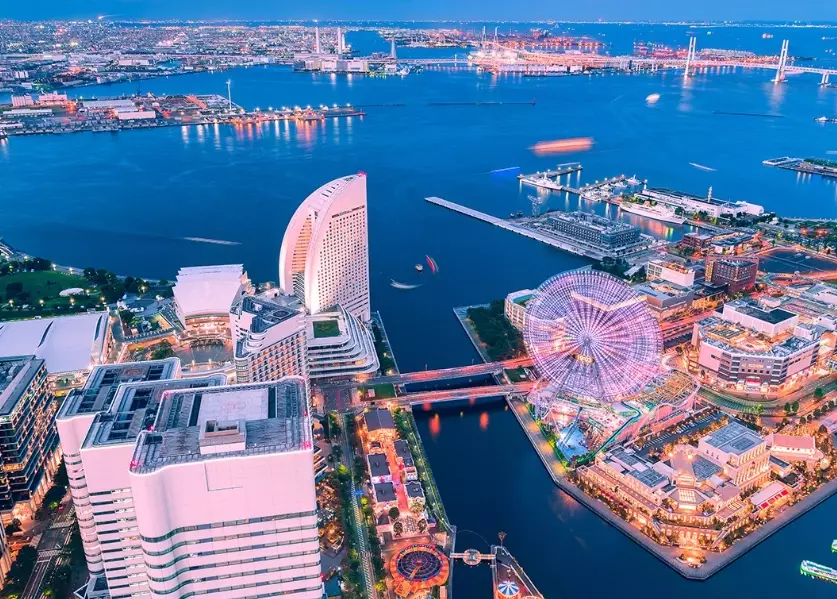
- Evening: The view of the Rainbow Bridge and Tokyo skyline from Odaiba at night is spectacular. Have dinner at one of the mall food courts or restaurants.
Day 6: Ueno & Akihabara – Culture & Otaku
A flexible day. Choose your own adventure based on your interests.
- Option A (Culture): Ueno Park. It houses several major museums: the Tokyo National Museum (the best for Japanese history and art), the National Museum of Nature and Science, and the Ueno Zoo. The park itself is lovely, especially during cherry blossom season. Pick one museum to explore deeply.
- Option B (Electronics & Anime): Akihabara. The electric town. Explore multi-story electronics stores like Yodobashi Camera, hunt for anime figures and manga in stores like Mandarake, and experience a themed maid cafe if that's your thing. It's sensory overload in the best way.
- Evening in Tokyo Station / Ginza: Head to the magnificent Tokyo Station building. Explore the underground "Character Street" and "Ramen Street" inside the station for dinner. Or walk to the upscale Ginza district for window shopping and high-end department stores like Mitsukoshi.
Day 7: Tsukiji Outer Market & Departure
Before your flight, make a final food pilgrimage.
- Tsukiji Outer Market: The inner wholesale market moved, but the outer market remains—a labyrinth of stalls selling fresh seafood, tamagoyaki (sweet omelets), grilled scallops, and uni (sea urchin). Go early (by 9 AM) on an empty stomach. It's crowded, but the experience is unforgettable. Try a sushi breakfast at one of the small shops. (Most stalls open 5:00 AM - 2:00 PM, many closed Sundays and Wednesdays).
- Head to the airport with a full stomach and your souvenirs. Narita is about 60-90 minutes by train (Narita Express), Haneda is about 30-45 minutes by monorail.
Where to Stay in Tokyo: Area Breakdown
Location is everything. Here’s the real deal on Tokyo’s main areas for tourists:
| Area | Best For | Vibe | Budget Note |
|---|---|---|---|
| Shinjuku | First-timers, nightlife, major transport hub | Energetic, chaotic, convenient | Wide range, from capsule to luxury. |
| Shibuya | Young travelers, shopping, trendy vibes | Youthful, fast-paced, central | Similar to Shinjuku, can be pricey. |
| Tokyo Station / Marunouchi | Efficiency, luxury, day trips out of Tokyo | Business-like, upscale, clean | Generally higher-end. |
| Ginza | Luxury shopping, fine dining, sophistication | Upscale, polished, quieter at night | High-end hotels dominate. |
| Asakusa | Budget travelers, traditional atmosphere | Old-school Tokyo, more relaxed | Great for cheaper hotels/ryokans. |
| Ueno | Budget, access to museums, park | Local, slightly less touristy | Very budget-friendly options. |
My personal take? For a first trip, Shinjuku or Shibuya can't be beat for convenience and that "I'm in Tokyo!" feeling. But if you want to save money and don't mind a 20-minute subway ride to the center, Asakusa or Ueno offer great value and character.
Can't-Miss Food Highlights
You don't need Michelin stars to eat well in Tokyo. Here’s your hit list:
- Sushi: For a mind-blowing, budget-friendly lunch, find a kaiten-zushi (conveyor belt) chain like Sushiro or Kura Sushi. Plates start at ¥110. For a more serious meal, try a small counter shop in Tsukiji or Ginza (expect to spend ¥3,000-¥10,000).
- Ramen: It's a religion. Shoyu (soy sauce), Shio (salt), Miso, or Tonkotsu (pork bone) broth. Buy a ticket from a vending machine outside the shop, hand it to the staff, and slurp loudly. Ichiran and Afuri are famous, but any shop with a line of locals is a safe bet.
- Yakitori: Skewers of grilled chicken (and every other part of the chicken). Go to an izakaya (Japanese pub) or a specialist shop in Omoide Yokocho or Nonbei Yokocho.
- Convenience Store Food (Konbini): This is not a joke. 7-Eleven, FamilyMart, and Lawson have amazing onigiri (rice balls), sandwiches, fried chicken, and desserts. Perfect for breakfast or a quick snack.
A Realistic Budget Breakdown (Per Person)
Let's talk numbers. Tokyo can be done on a range of budgets.
| Category | Budget (¥) | Mid-Range (¥) | Notes |
|---|---|---|---|
| Accommodation (per night) | 4,000 - 7,000 | 10,000 - 20,000 | Capsule/budget hotel vs. 3-4 star business hotel. |
| Food (per day) | 3,000 - 4,000 | 6,000 - 10,000 | Konbini/street food vs. sit-down meals. |
| Transport (per day) | 800 - 1,500 | 800 - 1,500 | Suica card taps add up quickly. |
| Attractions (total trip) | 5,000 - 8,000 | 10,000 - 15,000 | Skytree, TeamLab, Disney, museums. |
| Total (7 days) | ~¥90,000 | ~¥150,000+ | Excluding flights and major shopping. |
You can easily spend more or less. The key is that good food and amazing experiences don't have to break the bank here.
Your Tokyo Trip FAQs Answered
What's the best way to get from Narita Airport to central Tokyo?
For balance of speed, price, and convenience, the Keisei Skyliner to Ueno/Nippori or the Narita Express (N'EX) to Tokyo/Shinjuku/Shibuya are your best bets. Both take about an hour, cost around ¥2,500-¥3,000, and require a reserved seat ticket. Avoid taxis unless money is no object—the fare can exceed ¥25,000.
Is the Japan Rail Pass worth it for a 7-day Tokyo-only trip?
Almost certainly not. The national JR Pass is designed for long-distance Shinkansen travel between cities. Within Tokyo, you'll mainly use the Tokyo Metro and Toei Subway lines, which aren't covered by the pass. You'd need to take multiple expensive day trips (e.g., to Kyoto) to make it pay off. Stick with a Suica card.
How much cash should I carry daily?
I start my day with ¥5,000-¥8,000 in my wallet. Most hotels and large department stores take cards, but small restaurants, market stalls, temple donations, and topping up your Suica card require cash. Running out in a small restaurant with no ATM nearby is a real headache. 7-Eleven ATMs are your reliable friend for top-ups.
What's the biggest cultural mistake tourists make?
Beyond the obvious (being loud on trains, not queueing), it's handling money incorrectly. Don't hand cash directly to a shopkeeper's hand. There's almost always a small tray near the register. Place your bills and coins there, and they will give you change the same way. It's a subtle sign of respect.
Is it safe to walk around Tokyo at night?
Tokyo is one of the safest large cities in the world. Walking alone at night, even in busy entertainment districts, is generally not a concern. Normal big-city precautions apply, of course, but violent crime against tourists is extremely rare. My bigger worry is you'll get lost—which is half the fun.
What's the best time of year to use this 7-day Tokyo itinerary?
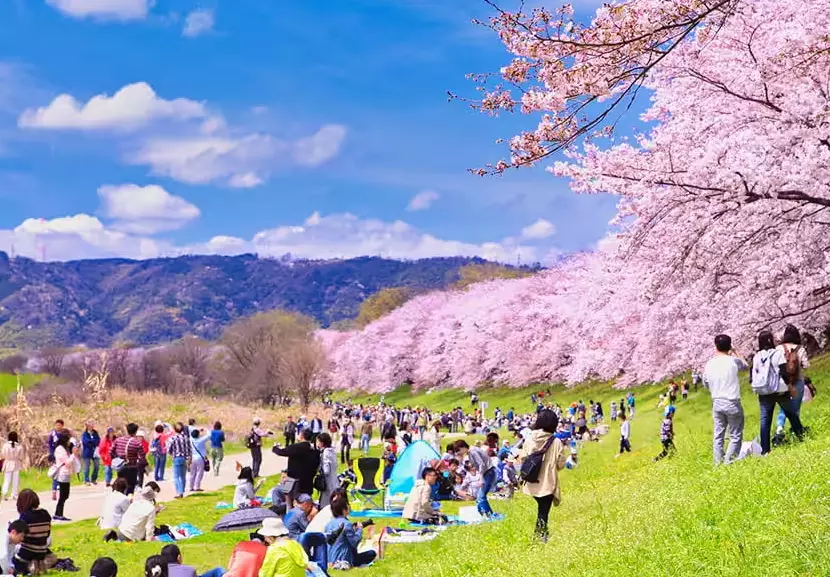
Late March to early April (cherry blossoms) and October to November (fall colors) are stunning but also the most crowded and expensive. My personal favorite is late May or late September/October. The weather is pleasant, crowds are thinner, and hotel rates are more reasonable. Avoid Golden Week (late April/early May) and Obon (mid-August) when all of Japan is traveling.
There you have it. A week in Tokyo that gives you the postcard moments, the deep cuts, and the space to just wander and find your own favorite ramen shop or hidden shrine. Don't over-plan every minute. Use this itinerary as your backbone, then let Tokyo surprise you in between. It always does. Have an incredible trip.

Share Your Thoughts