Your Season-by-Season Guide
- The Quick Season-by-Season Snapshot
- Spring in Tokyo: Beyond the Cherry Blossom Hype
- Summer in Tokyo: The Underdog Season
- Autumn: The Sophisticated Sibling of Spring
- Winter: Tokyo's Best Kept Secret
- The Month-by-Month Breakdown: What to Really Expect
- Answering Your Burning Questions (FAQ)
- Final Thoughts: It's About Your Priorities
Let's be honest, searching for the "best time to visit Japan Tokyo" feels like asking for the best flavor of ice cream. It depends entirely on what you're craving. Do you dream of walking under a tunnel of pale pink cherry blossoms? Or maybe you'd prefer crisp autumn air and fiery maple trees? Perhaps you're on a tight budget and don't mind a bit of heat or cold.
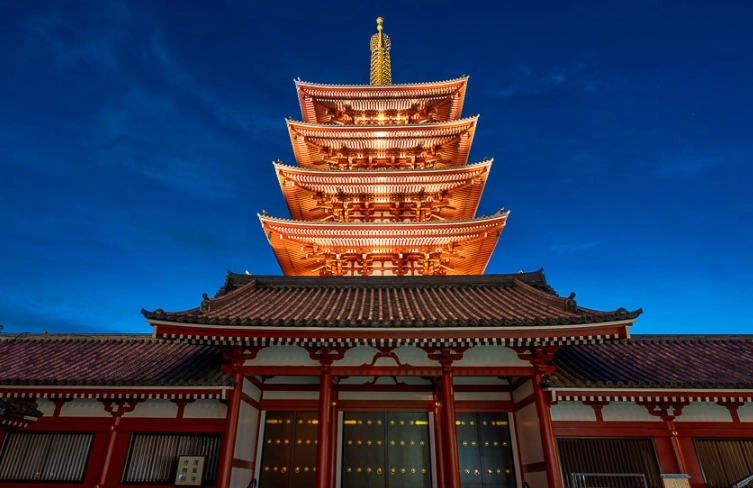
I've been to Tokyo in every single season, multiple times. I've sweated through my shirt in August humidity and shivered waiting for a train on a clear January morning. I've also been elbowed by a thousand other tourists trying to get that perfect shot of Senso-ji Temple.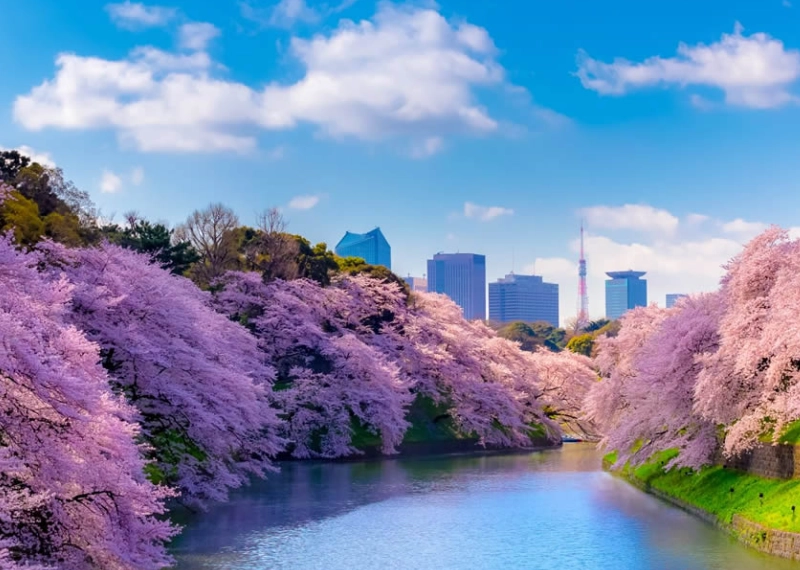
So, I'm not here to give you one single, magical answer. Instead, I want to give you all the tools—the raw weather data, the crowd realities, the festival calendars, and the personal nitty-gritty—so you can decide what the best time to visit Tokyo is for you.
The Quick Season-by-Season Snapshot
Before we dive deep, here's a table that lays it all out. This is your cheat sheet for the pros, cons, and overall vibe of Tokyo's four distinct faces.
| Season | Months | Weather Vibe | Crowd & Cost Level | Best For... | Think Twice If... |
|---|---|---|---|---|---|
| Spring | March - May | Mild, pleasant, iconic cherry blossoms (late Mar-early Apr) | VERY HIGH (peak), Expensive | Cherry blossom viewing (hanami), first-timers, photography, outdoor strolls | You hate crowds, are on a tight budget, or have pollen allergies. |
| Summer | June - August | Hot, VERY humid, rainy season (June-early July), typhoon risk | Medium-High (local holidays), Moderate prices | Festivals (matsuri), fireworks, indoor attractions, vibrant city energy | You struggle with heat/humidity, or want to be outside all day. |
| Autumn | September - November | Cool, comfortable, less rain, stunning fall foliage (late Nov) | High, Moderately Expensive | Fall colors, pleasant sightseeing, food festivals, hiking day trips | You're set on spring blossoms; early Sep can still be hot/stormy. |
| Winter | December - February | Cold, dry, sunny days, little snow in the city | Low-Medium (except NY), Most Affordable | Budget travel, illuminations, onsen trips, clear skies, holiday shopping | You want lush gardens or outdoor dining. Days are shorter. |
See? Already it's not so simple. That "High" crowd level in autumn is a different beast from the "VERY HIGH" of spring. Let's peel back the layers on each season.
Spring in Tokyo: Beyond the Cherry Blossom Hype
The Famous Sakura Season (Late March - Early April)
This is the poster child for the best time to visit Japan Tokyo. And look, it's famous for a reason. When the sakura are in full bloom, the city transforms. Parks like Ueno and Shinjuku Gyoen become pink wonderlands. The atmosphere is genuinely festive, with salarymen and families alike spreading blue tarps for hanami (flower-viewing) parties.
But here's the raw truth they don't always show on Instagram.
It is insanely crowded.
We're talking shoulder-to-shoulder in popular spots. Hotel prices can double or triple. Restaurants in prime viewing areas are packed. And the bloom is fickle—it lasts only about a week, and a strong rain or wind can end the party early. You need to book flights and accommodation 6-8 months in advance. Seriously.
My personal take? It's worth experiencing once. The beauty is surreal. But if your goal is a relaxed, immersive Tokyo experience, this might not be it. You're sharing the city with the world.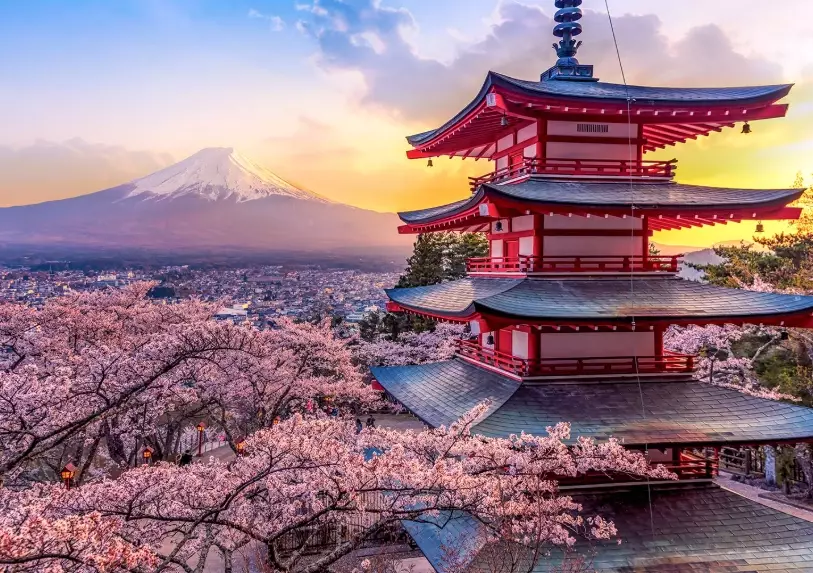
Pro Tip: For a slightly less chaotic sakura experience, visit in the few days just before full bloom ("kaika") or as the petals start to fall ("sakura fubuki" or cherry blossom blizzard). The magic is still there, and some of the frantic pressure eases.
Late Spring (May)
Now, this is a secret favorite of mine. Once Golden Week (a cluster of national holidays from late April to early May) passes, May is glorious. The weather is near-perfect—warm, sunny, with lower humidity than summer. The fresh green leaves ("shinryoku") are vibrant. Gardens are lush.
Crowds and prices drop significantly after Golden Week ends. It's arguably one of the most comfortable and pleasant times for sightseeing. You miss the sakura, but you gain breathing room and better deals. For many, this is the actual best time to visit Tokyo if you prioritize good weather and manageable tourism levels.
Summer in Tokyo: The Underdog Season
Most guides will tell you to avoid summer. I get it. I used to say the same thing. The humidity in July and August is no joke—it feels like walking through soup. The rainy season ("tsuyu") in June can bring weeks of grey, drizzly days.
Heads up: If you have any medical conditions affected by heat and humidity, please take summer off the list. It can be oppressive.
But is it all bad? Not quite.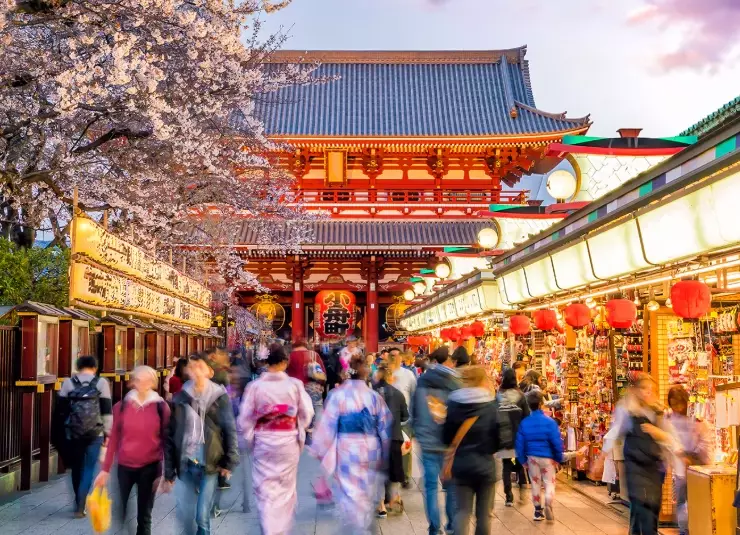
The Unexpected Perks
Summer is the season of festivals (matsuri) and fireworks (hanabi). The energy is electric. Seeing locals in yukata (light cotton kimono) at a neighborhood festival, carrying mikoshi (portable shrines), is an incredible cultural experience you won't get in spring. Major events like the Sumida River Fireworks Festival are spectacular.
It's also a great time to focus on Tokyo's incredible indoor world: the teamLab Planets digital art museum, the Ghibli Museum, shopping in the labyrinthine depachika (department store basements), or cafe-hopping in Shimokitazawa.
And let's talk price. Outside of the Obon holiday in mid-August (when Japanese travel to their hometowns), flights and hotels are often cheaper than in spring or autumn.
So the best time to visit Tokyo Japan in summer? It's for the culturally curious, the festival-lover, and the budget-conscious traveler who plans their days around air conditioning and evening activities.
Autumn: The Sophisticated Sibling of Spring
If spring is the boisterous, popular sibling, autumn is the chic, refined one. The weather is almost identical to spring—mild, dry, and comfortable—but with a different color palette. Instead of pastel pinks, you get blazing reds, oranges, and yellows in gardens and mountainsides.
Koyo (Fall Foliage) Season
The autumn colors peak much later than you might think—usually from late November into early December. Iconic spots like Rikugien Garden and Meiji Jingu Gaien are lit up for night viewings, creating a completely different, serene magic compared to the daytime hanami parties.
Crowds are high, especially on weekends for prime koyo viewing, but it generally feels less overwhelmingly international than sakura season. It's a mix of locals and in-the-know tourists.
October and November are also fantastic for food. It's the season for sanma (Pacific saury), matsutake mushrooms, and sweet potatoes. The appetite for exploration matches the cool, crisp air.
For me, autumn often edges out spring. The light is beautiful for photography, the air feels clean, and the vibe is more relaxed. It's a top contender for the title of best time to visit Tokyo for many repeat visitors.
Winter: Tokyo's Best Kept Secret
Winter is the dark horse. Many dismiss it as too cold. But hear me out.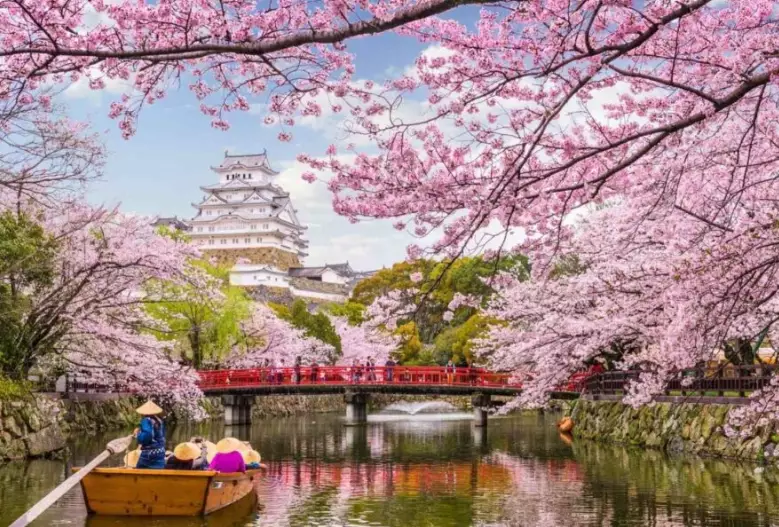
The Clear-Cut Advantages
Tokyo's winter is dry and sunny. You get these incredible, crystal-clear blue sky days that are rare in humid summer or rainy season. The cold is manageable—it's usually above freezing, around 5°C (41°F) during the day. You just need a good coat, scarf, and gloves.
The crowds are at their lowest (except for the New Year period from Dec 29 - Jan 3). This means no queues for the observation decks of Tokyo Skytree or Shibuya Sky. You can actually get a seat at that famous ramen shop. Hotel rates are at their most attractive.
And then there are the illuminations. From mid-November through February, Tokyo goes all out with Christmas and winter light displays. Places like Caretta Shiodome and Tokyo Midtown are transformed into breathtaking fantasy lands of light. It's a different kind of magic.
Winter is the best time to visit Tokyo Japan if you're on a strict budget, hate crowds, love city lights, and want to pair your trip with a visit to nearby snow resorts or hot spring towns (onsen) in Hakone or Nagano.
My favorite winter memory? Sitting in a tiny, steamy izakaya in Shinjuku after a day of exploring, with my coat hung up and a hot oden stew in front of me, watching the salarymen unwind. It felt deeply local.
The Month-by-Month Breakdown: What to Really Expect
Seasons are helpful, but you book by the month. Here's the gritty, practical detail for each one.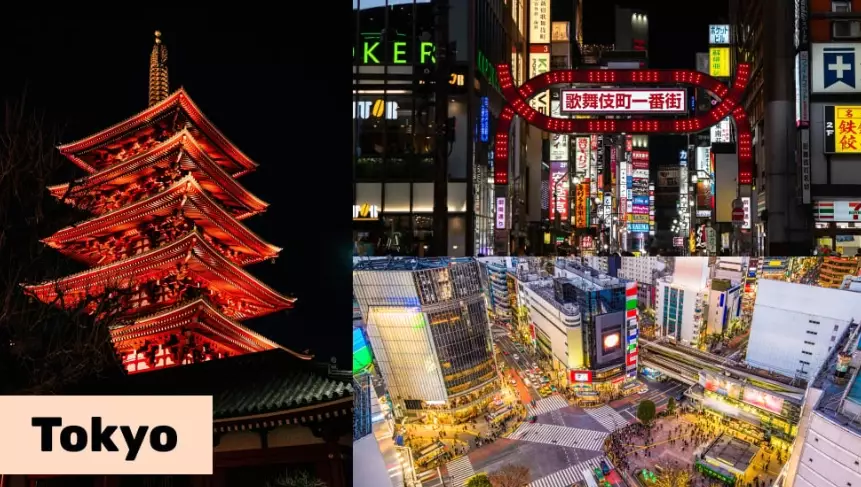
January
Cold, sunny, quiet after New Year's. Great for sales ("fukubukuro" lucky bags) and clear views from observation decks. A solid, no-fuss month for sightseeing.
February
Similar to January, but with Valentine's Day (a big deal in Japan). Plum blossoms ("ume") start blooming late in the month, a lovely, less-crowded precursor to sakura.
March
A transition month. Can be chilly, especially early on. The excitement for sakura builds towards the end. A good potential sweet spot if you come before the bloom madness.
April
The heart of sakura season and Golden Week. Peak crowds, peak prices, peak everything. Book everything far, far in advance or avoid it entirely unless sakura is your sole mission.
May
As discussed, fantastic. Golden Week is early May, so aim for mid-to-late May for the best experience.
June
The rainy season. It's not constant downpours, but frequent, lingering drizzle. High humidity. Bring a good umbrella and waterproof shoes. A good month for museums and indoor activities.
July
Hot and humid. The rains typically end, and the sun comes out with a vengeance. Festival season kicks off. Hydrate constantly.
August
The hottest, most humid month. The Obon holiday (mid-month) sees domestic travel spikes. Many fireworks festivals. It's a test of endurance, but full of life.
September
Still quite warm and humid early on. Typhoon risk is highest. Towards the end, the weather starts to break, becoming more pleasant. A transitional, sometimes unpredictable month.
October
Usually lovely. Comfortable temperatures, lower humidity, pleasant for exploring. A very reliable and popular month.
November
One of the best months. Crisp air, beautiful autumn colors starting in the mountains and arriving in the city by late month. High season for tourism.
December
Cold and festive. Early December is great for koyo and Christmas markets. The end of the month is dominated by New Year preparations and travel. A month of two halves.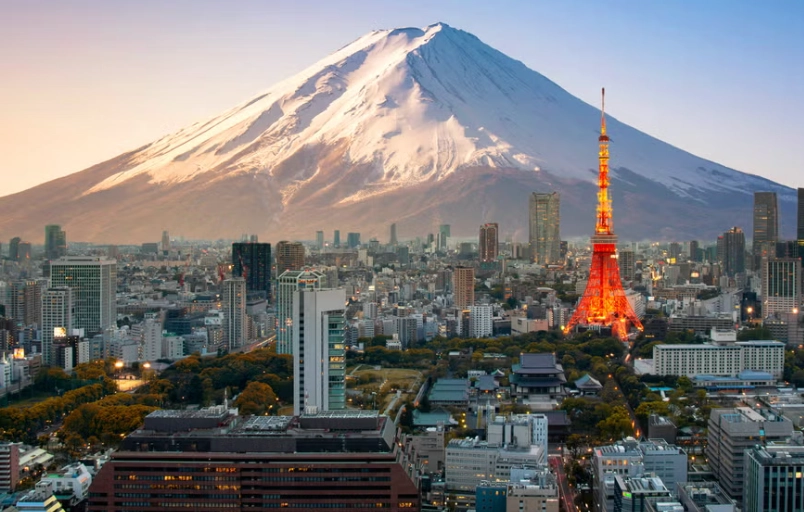
Key Resource: For the most accurate and detailed historical weather data and forecasts, always check the Japan Meteorological Agency (JMA) website. It's the official source and far more reliable than general travel sites.
Answering Your Burning Questions (FAQ)
Is the rainy season a complete washout?
Not necessarily. It's more persistent gloom and drizzle than torrential rain all day. You can still go out. It just means your photos might look grey, and you need to be flexible with indoor/outdoor plans. Hydrangea flowers (ajisai) bloom beautifully in the rain, which is a silver lining.
What are the absolute worst times to go?
For me, three periods stand out as challenging:
1. Golden Week (late Apr - early May): The entire country is on the move. Transportation is packed, attractions are swamped.
2. Obon (mid-August): Similar domestic travel chaos, compounded by the worst heat.
3. New Year (Dec 29 - Jan 3): Many businesses and museums close. Transportation is busy. It's a time for family, not tourism.
I'm on a tight budget. When should I go?
Hands down, January (after the 4th) and February. You'll find the cheapest flights and accommodation. Shoulder seasons like late June (rainy season) and September (typhoon risk) can also offer deals. Be flexible with your dates and use flight comparison tools.
When is the best time for foodies?
Every season has its delicacies, but autumn is particularly famed for its harvest. Also, seasonal menus at restaurants change, so you'll always eat well. For the ultimate food market experience, check the dates for the Tokyo Metropolitan Government's event pages for major food festivals.
How do I check exact cherry blossom or autumn color forecasts?
The JMA (link above) issues official sakura bloom forecasts. For the best and most up-to-date information on both sakura and koyo, including maps of lesser-known spots, the Japan National Tourism Organization (JNTO) website is an invaluable, official resource.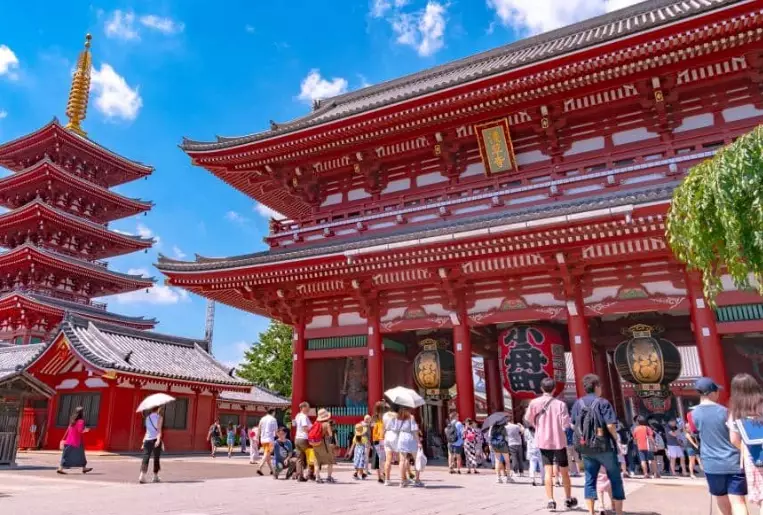
Final Thoughts: It's About Your Priorities
So, after all this, what's the final answer for the best time to visit Japan Tokyo?
If you want perfect weather and iconic beauty and don't mind crowds and cost: Late March (for sakura) or November (for koyo).
If you want great weather with fewer crowds and decent prices: Mid-to-late May or October.
If you're on a tight budget and don't mind the cold: January or February.
If you crave festivals and cultural energy and can handle heat: July or August (avoiding Obon).
There's no single best time. There's only the best time for you. Use this guide, be honest about what you love and hate in a trip, and you'll make the right choice. Tokyo is a phenomenal city year-round, each season offering its own unique doorway into its heart. Just pick your door and walk in.
Happy planning!


Share Your Thoughts