You’re in Tokyo, the sushi capital of the world, but your wallet is sending you warning signals. The idea of a multi-hundred-dollar omakase experience is out of reach. Here’s the good news: some of the best sushi experiences in Tokyo don’t require a second mortgage. The real magic happens in the bustling conveyor belt joints, the no-frills standing bars, and the neighborhood spots where salarymen grab a quick, perfect bite. Forget the myth that great sushi must be expensive. Let’s talk about where you can eat incredibly fresh, expertly prepared sushi without blowing your daily budget.
Your Quick Guide to Tokyo's Best Budget Sushi
The Conveyor Belt Kings: Value & Variety
Kaiten-zushi (conveyor belt sushi) is the undisputed champion of budget sushi. It’s democratic, fast, and transparent—you see the price by the plate color. But not all chains are created equal. The big names like Genki Sushi and Kura Sushi are fun with their techy ordering systems, but for consistently higher quality fish at a similar price point, I keep returning to a couple of specific spots.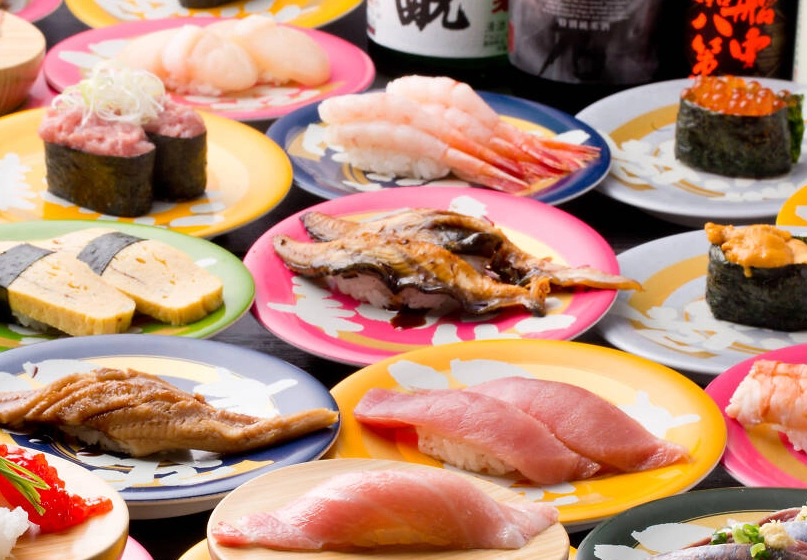
Pro Tip: The peak freshness times are right after opening (11 AM) and during the early dinner turnover (around 5-6 PM). Avoid the super-wilted tuna you might see circling at 2:30 PM. Also, don’t be shy to order directly from the chef for items like uni (sea urchin) or otoro (fatty tuna) that rarely go on the belt. It’s often fresher and you get it made to order.
Here’s a breakdown of my top picks in this category, with the details you need to plan your visit.
| Restaurant Name & Area | Key Features & Must-Try | Price Range (per plate) | Address & Notes |
|---|---|---|---|
| Uobei Shibuya Dogenzaka (Shibuya) |
Futuristic, fully automated delivery via shinkansen-like tracks. Great for groups. Try the aburi salmon (seared salmon) and the ebi mayo. | ¥110 - ¥330 | 2-29-11 Dogenzaka, Shibuya City. Open 11 AM - 11 PM. Always has a queue, but it moves fast. Use the ticket machine. |
| Nemuro Hanamaru (Kanda, Tokyo Station) |
Hailed by many locals as the best quality chain. Fish is sourced directly from Nemuro port in Hokkaido. Their kani (crab) and hotate (scallop) are standout. | ¥150 - ¥550 | 1-1-1 Marunouchi, Chiyoda City (inside KITTE mall). Open 11 AM - 10 PM. Expect a long line, especially for lunch. Worth it. |
| Sushiro (Nationwide, e.g., Shinjuku) |
The giant. Massive menu beyond sushi (ramen, desserts). Consistency is key. Excellent for engawa (halibut fin) and variety of gunkan (warship-style). | ¥110 - ¥330 | Multiple locations. Shinjuku branch: 3-37-12 Shinjuku. Open 11 AM - 11 PM. Use the tablet to order. Great for fussy eaters. |
The Standing Sushi Bar Experience
If you want to feel the pulse of Tokyo’s salaryman culture, head to a standing sushi bar (tachigui). These are no-frills, often located near train stations. You stand, you eat fast, you pay, you leave. The turnover is high, so the fish is fresh. The price is low because they save on rent, seats, and service.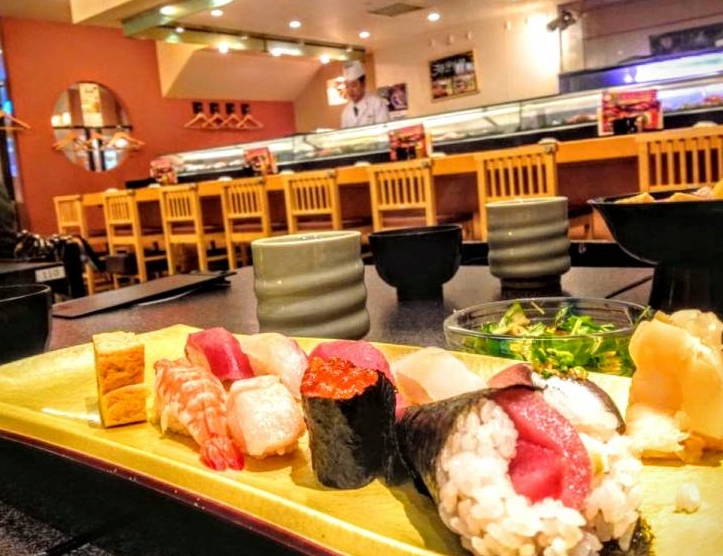
I remember squeezing into Standing Sushi Bar Uogashi Nihon-Ichi near Shimbashi Station after work once. The counter was packed, elbows touching. I ordered three pieces of otoro and a beer for less than ¥1,200. The chef placed it directly on the bare counter in front of me. It was one of the most authentic, delicious, and efficient meals I’ve had.
What to Expect at a Standing Bar
Don’t go for a leisurely two-hour meal. Go for a 20-minute power sushi session. The menu is usually on the wall or a simple sheet. Point at what you want. Drink orders are simple: beer, sake, tea. Payment is often cash-only. It’s loud, it’s energetic, and it’s the real deal. Another fantastic chain is Tachigui Sushi Zanmai, with shops in Asakusa and Ryogoku, known for their robust flavors and incredibly fair prices.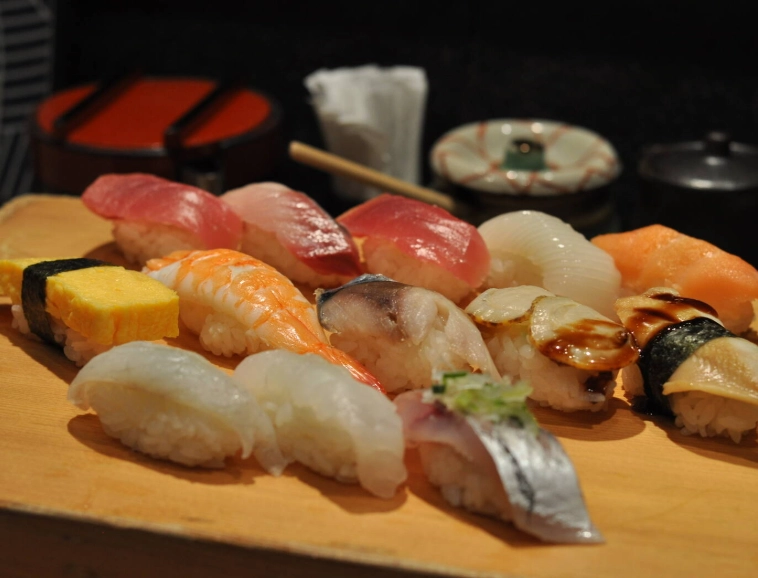
Hidden Gems: Donburi & Set Meals
Sometimes the best budget sushi isn’t nigiri at all. Look for shops specializing in kaisendon (seafood rice bowls) or teishoku (set meals). You get a mountain of fresh sashimi-grade seafood over rice for a fixed, very reasonable price.
Tsukiji Tamazushi (not in the inner market, but in the outer market area) is a legend. For around ¥2,000, you can get a stunning bowl of uni, ikura, tuna, and scallop. It’s a flavor explosion. The queue starts early, but it’s a pilgrimage for seafood lovers.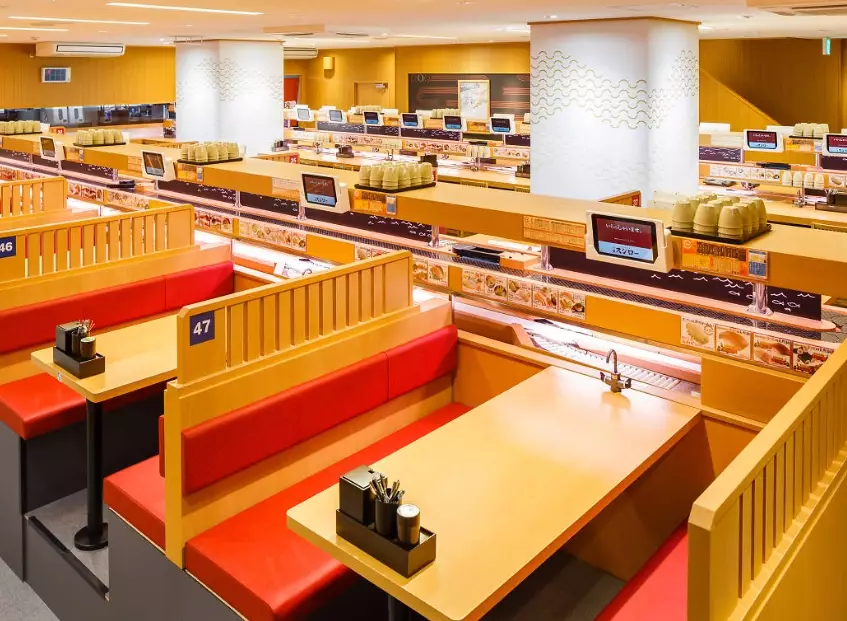
In Ameyoko Market near Ueno, Daikokuya serves a famous tendon (tempura bowl), but their sushi teishoku is a steal. For ¥1,500, you get 8-10 pieces of chef’s choice nigiri, miso soup, and a small side dish. It’s a complete, satisfying lunch that feels like a proper meal rather than a snack.
How to Master Budget Sushi in Tokyo
Finding these places is one thing. Optimizing your experience is another. Here’s the strategy I’ve honed over a decade of eating sushi here on a budget.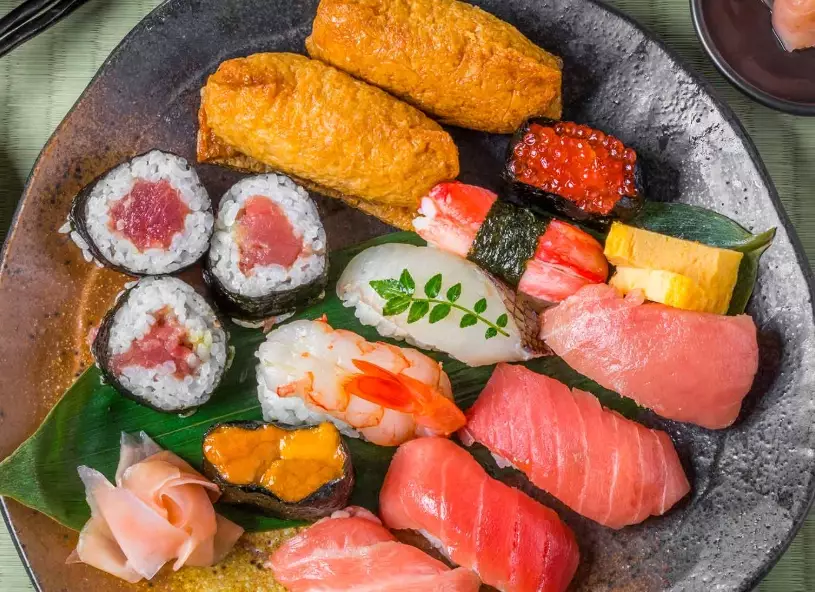
First, redefine “budget.” In Tokyo, “budget” for sushi means a meal between ¥1,000 and ¥3,000 per person. If you’re paying over ¥4,000, you’re entering mid-range territory. Stick to the plate colors or set menus within that range.
Second, lunch is your best friend. Many sushi places, even slightly more upscale ones, offer incredible teishoku deals for lunch that disappear at dinner. A place that charges ¥5,000 for dinner might have an ¥1,800 lunch set. Always check the lunch menu.
Third, embrace the off-peak. Go at 11 AM sharp or after 8 PM. You’ll avoid the worst crowds. At conveyor belt places, the fish is freshest right at opening.
Finally, quality over quantity. A common mistake is piling up cheap ¥110 plates of cucumber rolls and tamago. You’re in Tokyo. Spend your ¥2,000 on two plates of superb otoro and one of uni instead of fifteen plates of mediocre items. The taste memory will last far longer.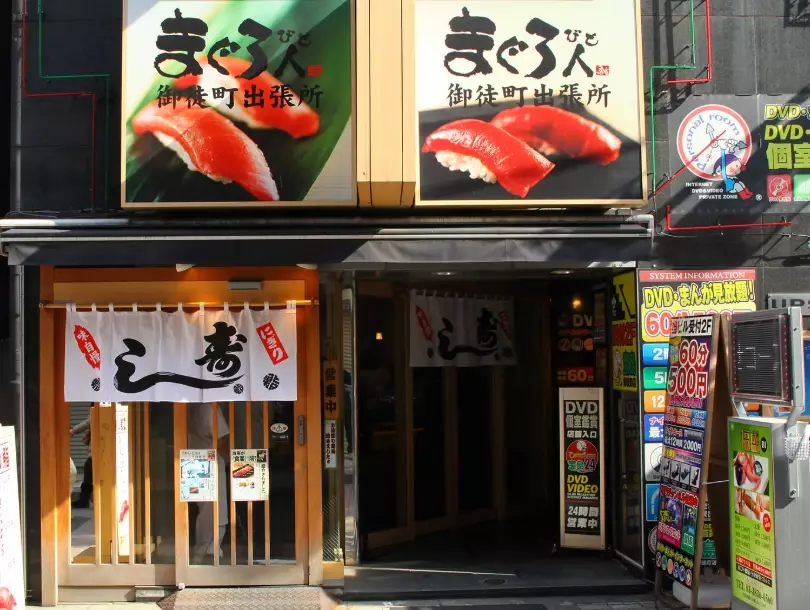
Share Your Thoughts