Let's talk about walking. Not just a stroll in the park, but the kind of walking that changes you. Japan's pilgrimage routes offer that. They're not simply tourist trails; they're living pathways through history, nature, and deep spirituality. Forget the crowded temples of Kyoto for a moment. On these paths, you find a different Japan—one of quiet forests, moss-covered stones, and the rhythm of your own footsteps. I've spent weeks on these trails, and the mistake most first-timers make is treating them like a hiking checklist. It's not about finishing fast. It's about the space between the start and the end.
Your Pilgrimage Route Map
The Top Japan Pilgrimage Routes Compared
Choosing a route depends on your time, fitness, and what you want from the experience. Here’s a breakdown of the three heavyweights.
| Route Name | Core Location | Typical Duration | Key Experience | Difficulty & Cost |
|---|---|---|---|---|
| Kumano Kodo | Kii Peninsula (Wakayama/Mie Prefectures) | 4-7 days (for main Nakahechi route) | A UNESCO World Heritage trail connecting grand shrines (Kumano Sanzan) through sacred mountains and forests. It's about the journey to the "land of the gods." | Moderate. Well-maintained but hilly. Budget ~$80-120/day incl. lodging/meals. |
| Shikoku 88 Temple Pilgrimage (Henro) | Shikoku Island | 40-60 days (full circuit) | The ultimate Buddhist circuit following the footsteps of monk Kobo Daishi. A profound test of endurance and devotion. Most people do segments. | Varies (Easy to Strenuous). Can be done by bus, car, or foot. On-foot budget similar to Kumano Kodo. |
| Saigoku 33 Kannon Temple Pilgrimage | Kansai Region (Kyoto, Osaka, Nara, Wakayama) | 2+ weeks (full circuit) | A cultural pilgrimage visiting 33 temples dedicated to the goddess of mercy, Kannon. Blends major city sights with remote mountain temples. | Easy to Moderate. Heavily reliant on public transport. Costs depend on city hotel prices. |
Most blogs will tell you the Kumano Kodo's Nakahechi route is the best for beginners. It is. But what they don't mention is that its popularity, especially between Hongu and Nachi, can sometimes break the solitude you seek. If you want true quiet, look at the Iseji route (connecting Ise Grand Shrine to Kumano) or the Kohechi route (much tougher, crossing mountains).
A quick note on the Camino de Santiago connection: Yes, there's an official Japan Tourism Agency-recognized route from Hokkaido to Kumano. It's fascinating for history buffs, but logistically complex. For a first pilgrimage, stick to the established circuits above.
How to Plan Your Japan Pilgrimage Route
Planning is everything. You can't just show up and start walking.
Best Time to Go
Spring (April-May) and Autumn (October-November) are ideal. Summer is brutally hot and humid, with risks of typhoons and leeches in the forests. Winter can be cold, with some trails closed or requiring serious gear. I made the mistake of going in late June once. The greenery was incredible, but the heat sapped my energy by 10 AM.
Budgeting Realistically
For a walking pilgrimage with stays in pilgrim lodges (shukubo) or guesthouses (minshuku), expect:
- Lodging: ¥7,000 - ¥12,000 per night (including dinner & breakfast). This is your biggest cost.
- Lunch/Snacks: ¥1,500 - ¥2,500 per day. Buy from convenience stores or small shops along the way.
- Transport to/from trailheads: Varies widely. A train from Osaka to Kii-Tanabe (Kumano Kodo start) is about ¥4,000 one way.
- Temple stamps (goshuin): ¥300 - ¥500 each. It adds up if you collect many.
Total daily budget: ¥9,000 - ¥15,000 ($80-$120). It's not cheap, but the meals and cultural immersion are part of the experience.
The Booking Crunch
This is critical. Accommodation on popular stretches like the Kumano Kodo Nakahechi is extremely limited. Book your lodgings at least 3-4 months in advance, especially for autumn. Don't assume you'll find a place. I've seen pilgrims having to take expensive taxis to towns far off the trail because they didn't book.
What to Pack (Beyond the Usual)
- Lightweight, quick-dry clothing: Merino wool is a godsend.
- Two pairs of broken-in hiking shoes: One for walking, one dry pair for the evening. Blisters are the pilgrim's true enemy.
- A small towel and toiletries: Many traditional lodgings have shared baths (onsen).
- Pilgrimage gear: For Shikoku, a white vest (hakui), staff (kongozue), and stamp book (nokyocho) are part of the tradition. For Kumano, a stamp book is still a great souvenir.
- Cash: Many rural places and temples do not accept credit cards.
Essential Cultural Insights & Temple Etiquette
You're a guest in a spiritual practice. A little knowledge goes a long way.
When approaching a shrine or temple:
- Purify: At the temizuya (water basin), use the ladle to wash left hand, right hand, then pour water into your cupped left hand to rinse your mouth (spit the water out discreetly beside the basin). Never put the ladle to your lips directly.
- At Shrines (e.g., Kumano): Bow twice, clap twice, pray, bow once deeply.
- At Temples (e.g., Shikoku): Usually, just place your hands together in prayer (gassho) without clapping.
On the trail, a simple nod and "Konnichiwa" to fellow walkers and locals is customary. The phrase "O-tsukaresama desu" (you must be tired) is a wonderful, respectful greeting to other pilgrims.
Getting the goshuin (temple stamp) is a ritual. Present your stamp book quietly, pay the fee, and wait patiently while the monk or attendant creates the beautiful calligraphy. It's not a transaction; it's a receipt of your visit and prayer.
A Sample 7-Day Kumano Kodo Itinerary (Nakahechi Route)
Here's a realistic, tried-and-tested week on the Kumano Kodo. This assumes a moderate pace.
Day 1: Arrival in Kii-Tanabe. Pick up maps from the Tanabe Tourist Information Center. Stay in town. Visit the Kumano Kodo Kan Museum.
Day 2: Takijiri-oji to Tsugizakura-oji. (≈4km, 2-3 hrs). A short but steep introduction. Stay in a Tsugizakura guesthouse. The evening atmosphere here is magical.
Day 3: Tsugizakura-oji to Kumano Hongu Taisha. (≈15km, 6-7 hrs). A challenging day ending at the grand Hongu Taisha. Visit the Oyunohara, the original shrine site. Stay in Hongu town.
Day 4: Rest Day or Bus to Yunomine Onsen. Explore Hongu area. Take the bus to the ancient healing hot spring village of Yunomine (15 mins). You can even cook an egg in the Tsuboyu spring! Stay at a Yunomine ryokan.
Day 5: Bus to Koguchi, then Hike to Nachi. Bus from Hongu to Koguchi (≈1 hr). Hike the Ogumotori-goe pass to Nachi (≈15km, 6-7 hrs, tough). The first sight of the Nachi Falls and Seiganto-ji temple is unforgettable. Stay in Nachi or Kii-Katsuura town.
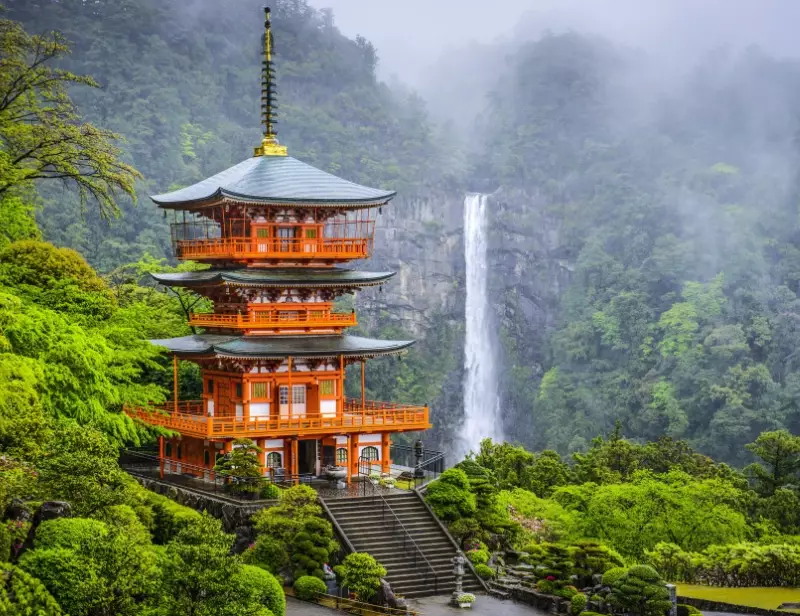
Day 6: Explore Nachi. Visit Kumano Nachi Taisha and Seiganto-ji temple (the iconic pagoda with the waterfall view). Get your final stamps. Enjoy fresh seafood in Kii-Katsuura port.
Day 7: Departure. Train from Kii-Katsuura Station back to Osaka (≈4 hours).
Your Pilgrimage Questions Answered
I want to do a pilgrimage but only have a week. Is it worth it, or should I wait?
Absolutely worth it. Don't fall into the "all or nothing" trap. A 4-5 day segment of the Kumano Kodo Nakahechi (like Takijiri to Hongu) provides a complete and profound experience. The Shikoku pilgrimage is designed for segments—many Japanese pilgrims complete it over years. A week allows you to immerse yourself deeply without rushing.
Is it safe for a solo traveler, especially a woman, to walk these routes?
Japan is one of the safest countries for solo travel. The pilgrimage routes are well-traveled, especially the Kumano Kodo, so you'll rarely be utterly alone. Basic precautions apply: tell your lodging your planned route for the day, carry a charged phone, and trust your instincts. Many women undertake these pilgrimages solo. The main risks are natural—getting lost, weather, or injury—not personal safety.
My Japanese is zero. Will I struggle with logistics and finding my way?
You'll manage. The major pilgrimage routes have excellent English signposting (Kumano Kodo is particularly good). Tourist information centers in gateway towns have English-speaking staff and essential materials. Your biggest hurdle will be communicating at small, family-run minshuku. But a smile, a phrasebook app, and gestures go a long way. It becomes part of the adventure. Download offline maps and the official trail app.
What's the one thing most pilgrims regret not bringing?
A small, durable journal. At the end of each aching, beautiful day, you'll want to jot down more than just photos. The name of the kind old man who gave you a citrus fruit, the sound of the stream by Tsugizakura, the feeling of the first hot bath. Your phone's notes app works, but there's something about writing it down that helps the experience settle. Also, more blister plasters than you think you need. Always more.
The best Japan pilgrimage route isn't the most famous one; it's the one that calls to you. It's the one that fits your time, challenges your body just enough, and leaves space for quiet reflection. It's about walking with intention. Whether you choose the forested paths to Kumano, the temple circuit of Shikoku, or the Kannon route through Kansai, you're stepping into a centuries-old tradition. Plan well, pack light, walk slowly, and let the journey do the rest.

Share Your Thoughts