Let's get straight to the point. Asking if Japan is special needs friendly is like asking if a car is fast—it depends entirely on the model, the road, and the driver. The short answer is: it's complicated. Japan has made significant, impressive strides in physical accessibility, especially in major cities and for the 2020 Paralympics. But the experience on the ground for a traveler with mobility, sensory, or cognitive challenges is a patchwork of cutting-edge infrastructure and frustrating, hidden barriers. Success hinges not on hope, but on hyper-specific, realistic planning.
I've spent years navigating Japan with family members who have different needs, and I've seen both the brilliant efficiency of a barrier-free Shinkansen and the sheer panic of finding a subway station exit with only stairs. This isn't a feel-good puff piece. It's a practical, honest map to help you plan a trip that's enjoyable, not exhausting.
In This Article
The Japan Accessibility Reality Check: Progress & Persistent Challenges
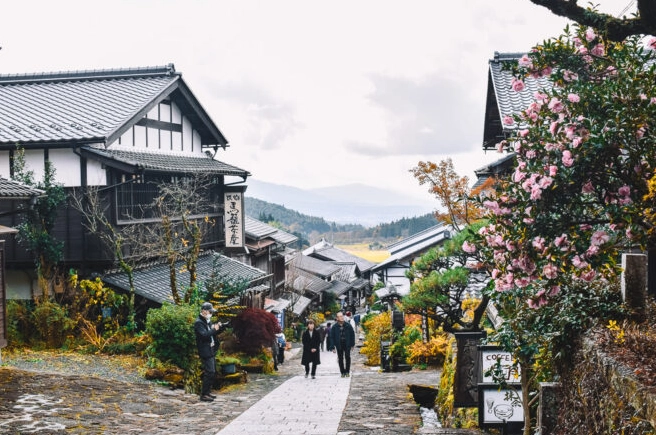
Picture this: a family plans a trip to Tokyo and Kyoto. One parent uses a manual wheelchair, and their child is on the autism spectrum. In Tokyo's Odaiba district, they glide effortlessly across wide, smooth promenades, use spacious, clean accessible toilets, and find tactile guidance paths everywhere. It feels like the future. The next day, in a historic Kyoto neighborhood, they encounter a narrow, 400-year-old street with no curb cuts, a beloved traditional restaurant where you must leave your wheelchair at the entrance and sit on the floor, and subway stations where the only elevator is hidden and out-of-service.
This jarring contrast is the Japan accessibility experience.
The Good News (Hardware): Major train stations (especially JR East and West stations), airports, new buildings, and popular tourist spots are often exceptionally well-equipped. You'll find elevators, ramps, accessible toilets with adult changing tables (like the "Multipurpose Toilets"), and priority seating. The law has pushed this.
The Harsh Reality (Software & Culture): The gap lies in maintenance, awareness, and older infrastructure. An elevator might exist but be locked, requiring you to find a station attendant. A "step-free" route might involve a 10-minute detour. Staff, while overwhelmingly polite, may be terrified of doing something wrong and thus be hesitant to help, or they might try to assist in ways that aren't actually helpful (like pushing a wheelchair without asking). Sensory overload is rarely considered in public design.
Your trip's success depends on accepting this duality and planning for the harder parts.
How to Navigate Japanese Transportation with Special Needs
Transportation is your biggest hurdle and your most crucial planning point. Don't assume anything.
Shinkansen (Bullet Traps) & Limited Express Trains
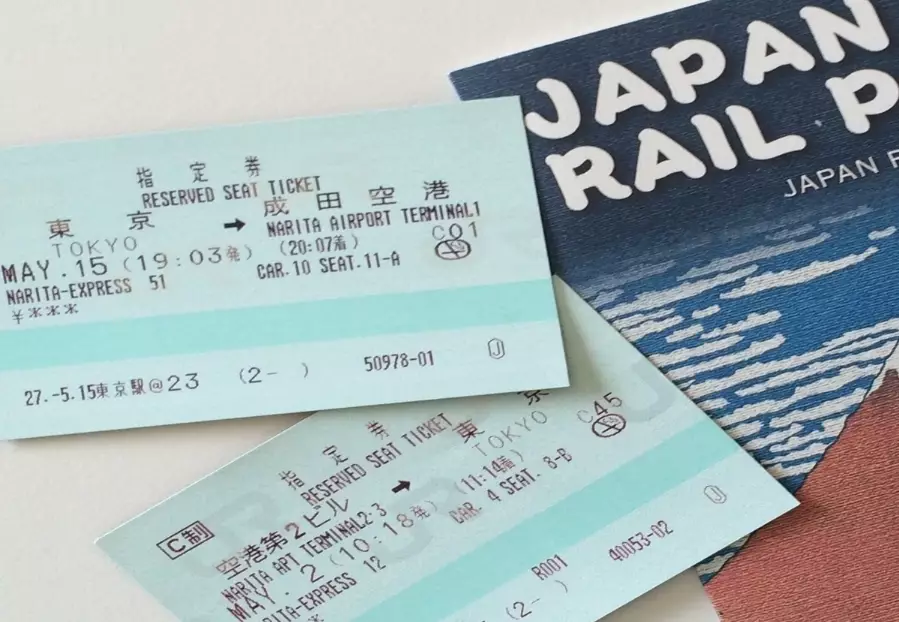
These are the gold standard. Boarding is seamless if you prepare. You must reserve the "Wheelchair Space" seat when booking your ticket. This isn't a suggestion; it's a requirement. You can do this online via the JR East and JR West websites (look for the accessibility icons) or at any major station's "Midori no Madoguchi" (green window) ticket office. The space is spacious, near a large accessible toilet. Staff will place a ramp for boarding/alighting. For those with invisible disabilities, the spaciousness and calm of the GranClass or Green Car (first class) can be worth the cost for reduced sensory stress.
Subways & Local Trains
This is where the patchwork appears. In Tokyo, newer lines (like the Oedo Line) are great. Older lines (parts of the Ginza Line) are terrible. The key tool is each metro company's accessibility PDF map. For example, the Tokyo Metro website has an excellent, station-by-station map showing which exits have elevators. Print it or save it on your phone. A common mistake is assuming all exits at a station are accessible. Often, only one or two are.
| Transport Mode | Accessibility Level | Key Action Required | Hidden Challenge |
|---|---|---|---|
| Shinkansen | Excellent | Reserve wheelchair space in advance. | Space can sell out on popular routes. |
| Tokyo Metro/Toei Subway | Variable (Good in hubs) | Check station-specific elevator maps. | Elevators can be far from your desired exit. |
| Local Buses | Generally Poor | Assume non-accessible unless confirmed. | Kneeling function exists but drivers may not use it proactively. |
| Taxis | Good (with planning) | Book "Welfare Taxis" or JPN Taxi app. | Standard taxis have tiny trunks, no ramps. |
| Long-Distance Buses | Very Limited | Contact companies (e.g., Willer) directly. | Only a few vehicles per fleet are equipped. |
Taxis and Specialized Services
Standard taxis are not accessible. Full stop. Their trunks are tiny, and they have no ramps. The solution is "Fukushi" or "Welfare Taxis." These are minivan taxis with ramps or lifts. You cannot hail them. They must be booked 30-60 minutes in advance via phone or, in some cities, a dedicated app. Ask your hotel concierge to help. In Tokyo, the JPN Taxi app has an option to request a wheelchair-accessible vehicle. It's a game-changer, but availability is limited.
Accessible Attractions & Activities: Where to Go (and What to Skip)
Major, modern tourist attractions are your safest bet. Traditional, historical, or natural sites require intense research.
Top Tier: Consistently Accessible Destinations
- Tokyo Disneyland & DisneySea: The global benchmark. Detailed accessibility guides online, excellent ride access, rental wheelchairs/ECVs, quiet rooms. Cast members are trained. Address: 1-1 Maihama, Urayasu, Chiba 279-0031. Open 8:00-22:00 (varies). Use the JR Keiyo Line to Maihama Station, which is fully accessible.
- teamLab Planets/Borderless: Modern, flat, immersive. Some areas involve water or uneven floors, but clear warnings are given. Advance online ticketing is essential.
- Odaiba (Tokyo): A modern waterfront district built on reclaimed land. Everything is flat, wide, and new. Includes the Miraikan museum, shopping malls.
- Universal Studios Japan (Osaka): Similar to Disney, with strong accessibility programs. Check their website for specific attraction requirements.
Requires Careful Planning:
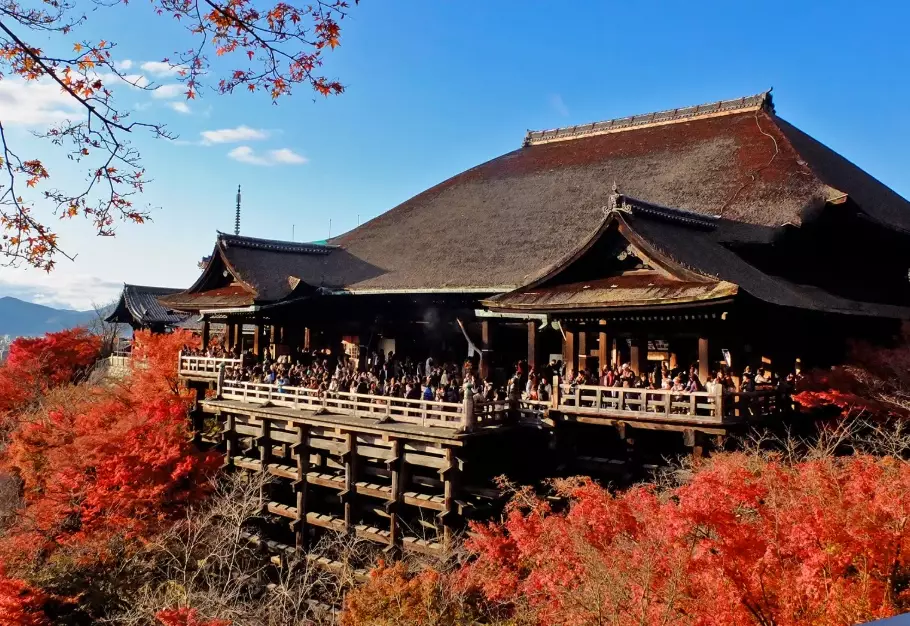
Kyoto's Temples & Shrines: This is the hard part. Kiyomizu-dera? Mostly stairs. Fushimi Inari? Steep, uneven paths. Golden Pavilion (Kinkaku-ji)? The main path is paved and manageable, but it can be crowded. Ryoan-ji (the rock garden temple) is a better choice, with mostly flat, gravel paths. Always check the official website's "Access" page; they often have realistic photos of the paths, not just a tiny accessibility icon.
My personal rule: for every high-effort historic site, balance it with a low-effort modern one to avoid fatigue.
Accommodations & Dining: Finding Truly Accessible Stays and Meals
The word "accessible" on a booking site is not regulated in Japan. You must verify.
Hotels
Major international chains (Hilton, Marriott, InterContinental) in major cities have true, standardized accessible rooms with roll-in showers, grab bars, and lowered fixtures. Book these directly through the hotel's website and email the hotel directly to confirm the specific features. A phrase I use: "Can you confirm the accessible room has a roll-in shower with a seat and no step at the entrance?"
Japanese business hotels (like APA, Tokyu Rei) are a minefield. Their "barrier-free" room might just mean a slightly wider door and a grab bar in the toilet, but the shower is still a wet room with a high ledge. Avoid unless you see verified photos.
Dining
This is a sensory and physical challenge. Izakayas (pubs) are loud, smoky, and cramped. Sushi counters are high. Many traditional places have floor seating only.
Strategies that work: - Department store restaurants (like in Isetan or Takashimaya): They are on upper floors (accessible by elevator), have varied cuisine, are quiet, spacious, and often have accessible toilets nearby. - Family restaurant chains (Saizeriya, Gusto, Denny's Japan): Predictable, have booths or tables, menus with pictures. - Conveyor belt sushi chains (like Kura Sushi): Often have table seating, not just counter. - Use Tabelog or Google Maps and look at user-uploaded photos of the entrance and interior to assess steps and table height.
Practical Tips & Must-Have Resources
- Get a "Help Mark" or "Heart Plus Mark": Free badges available at train stations. The Help Mark (a white heart with a green cross) indicates you have an invisible disability or need assistance (e.g., pregnancy, internal illness). It encourages staff to offer help. It works.
- Rent Equipment: Don't haul everything. Companies like DM Rent or Volkswagen Rent-a-Car (which also rents mobility vehicles) deliver wheelchairs, scooters, shower chairs, and portable ramps to your hotel.
- Learn Key Phrases: "Bariafurī onegai shimasu" (Please give me the barrier-free route). "Erebētā wa doko desu ka?" (Where is the elevator?). "Kuruma isu (wheelchair) desu." Pointing to the Help Mark and saying "Onegai shimasu" (Please) goes a long way.
- Embrace "Omotenashi" (Hospitality): While staff may be unsure how to help, the cultural imperative to assist a guest in need is powerful. If you ask clearly and politely, they will often move mountains to figure it out.
Share Your Thoughts