Let's cut to the chase. You're probably reading this because you've heard Japan is one of the safest countries in the world. The statistics from sources like the Japan National Tourism Organization (JNTO) back that up, showing remarkably low rates of violent crime. Your friend who came back from Tokyo raved about walking around at 2 AM without a care. So, the short answer is a qualified yes, Japan is generally very safe at night.
But that "generally" does a lot of heavy lifting. Safety isn't a binary switch that's flipped on for an entire country. It's a feeling, a situational awareness that changes from the serene backstreets of Kyoto to the electric chaos of Shinjuku. The real question isn't just "is it safe?" but "what does 'safe' actually feel like in different parts of Japan after dark, and what do I need to know to keep it that way?" That's what we're here for. I've spent years navigating Japan's nights, from solo walks to crowded festivals, and I'll give you the realistic picture—not just the postcard version.
What You'll Find in This Guide
The Big Picture: Japan's Safety Reality
First, let's acknowledge the baseline. Japan's low crime rate isn't a myth. You can leave your wallet on a café table and have a decent chance of it being there when you return. Violent street crime against tourists is exceptionally rare. This foundation of public safety is built on cultural norms, effective policing, and a strong social contract.
However, the most common mistake travelers make is interpreting this as "nothing bad ever happens." That's a dangerous assumption. Petty crime like pickpocketing, while less common than in many Western cities, does exist, especially in dense tourist zones. The primary nighttime annoyances aren't muggers but drunk salarymen on the last train or overly persistent touts in specific districts who might try to guide you into overpriced bars.
Your safety in Japan at night hinges less on fearing violent attack and more on managing situational nuisances and understanding unspoken rules. It's about knowing which subway car to avoid during rush hour (hint: the ones near the salaryman bars), how to politely but firmly decline unwanted attention, and recognizing that a completely empty back alley in any major city in the world, including Japan, warrants a moment of reconsideration.
A Key Insight: The sense of safety in Japan often comes from the environment itself. Streets are well-lit, public transportation runs on a precise, reliable schedule (until it stops around midnight), and there's almost always a convenience store (konbini) like 7-Eleven or FamilyMart glowing nearby, staffed 24/7, which acts as a de facto safe haven.
City-by-City Breakdown: Tokyo, Osaka, Kyoto & More
Safety isn't uniform. The vibe and potential pitfalls in Tokyo's Shinjuku are worlds apart from Kyoto's Gion district. Here’s a comparative look at what to expect.
| City & Key Night Areas | Safety Vibe & Level | Primary Considerations & Notes |
|---|---|---|
| Tokyo (Shinjuku Kabukicho, Shibuya, Roppongi) | Generally Safe but Vigilant. Extremely busy, well-patrolled, but has the highest concentration of nightlife-related hassles. | Kabukicho has touts; avoid following them. Roppongi has a reputation for overpriced clubs and occasional scams. Shibuya is more mainstream but packed. |
| Osaka (Dotonbori, Namba, Shinsekai) | Bustling and Friendly. Feels more rough-and-tumble than Tokyo but rarely threatening. Locals are outgoing. | Dotonbori is packed with tourists and revelers. Shinsekai has an edgier, old-school vibe but is fine on main streets. Watch for bikes on sidewalks. |
| Kyoto (Gion, Pontocho, Kiyamachi) | Quiet and Atmospheric. Less rowdy, more traditional. Feels very secure. | Be respectful in Gion; it's a living residential area with geisha. Pontocho alleyways are narrow and serene. Crime is minimal. |
| Other Cities (Hiroshima, Fukuoka, Sapporo) | Very Safe. Less tourist pressure, more local nightlife scenes. | These cities often provide the most relaxed and authentic nighttime experiences. Standard precautions apply, but hassles are rare. |
Tokyo After Dark: Navigating the Neon Jungle
Tokyo is a beast of its own. Shinjuku's Kabukicho, with its massive Godzilla head and blinding screens, is the epicenter. It's safe to walk through, but here's the non-consensus advice everyone misses: The main risk isn't crime, it's costly confusion. Touts (often non-Japanese speakers) will call out "Hey, friend! Cheap drinks!". They work for bars that charge exorbitant "table fees" or credit card scams. A simple, clear "iie, kekkou desu" (no, I'm fine) while walking away always works. Don't engage in conversation.
Shibuya is a whirlwind of teens and shoppers. It's safe but be mindful of your belongings in the scramble at the crossing. Roppongi has long had a sketchier reputation for club scams. If you go, stick to well-known, established venues.
My personal strategy in Tokyo? Explore the smaller izakaya (pub) alleys like Omoide Yokocho (Shinjuku) or Nonbei Yokocho (Shibuya). They're crowded, smoky, and full of locals. You'll get the atmosphere with virtually zero risk beyond a sore head the next morning.
Osaka's Energetic Nights
Osaka's Dotonbori is sensory overload in the best way. It's a carnival of food and noise. Safety-wise, it's fine. The bigger issue is the crowd—it's easy to get separated from your group. Set a meeting point like the iconic Glico Running Man sign.
Shinsekai looks like it's stuck in a 1960s cyberpunk film. It's poorer and has a higher visibility of homeless individuals, but I've never felt unsafe walking its main strips to get Kushikatsu (deep-fried skewers). Just exercise the standard awareness you would in any unfamiliar urban area.
Kyoto's Tranquil Evenings
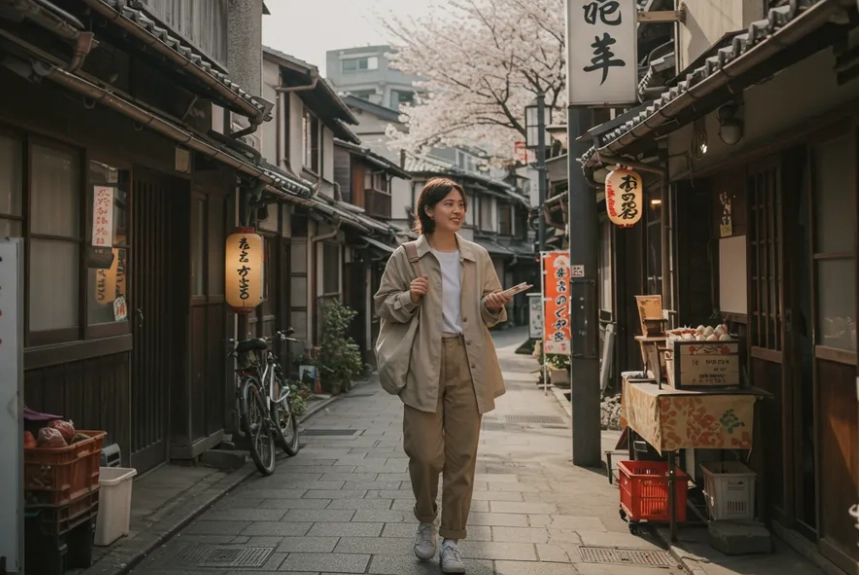
Kyoto at night is a different planet. The historic districts like Gion and Pontocho are quiet, lit by lanterns. The main concern here is being a respectful visitor. These are not just tourist spots; people live and work here. Don't use flash photography, don't block narrow alleys, and be quiet. The risk of theft is almost nil. Walking along the Kamo River is a popular and perfectly safe local pastime.
Universal Rule: No matter the city, the most predictable danger is missing the last train. Services stop between midnight and 1 AM. After that, taxis are safe but expensive (a 30-minute ride can easily cost $80+). All-night buses exist but are infrequent. Know your schedule or be prepared to pay the "last train tax." Many people simply wait in a 24-hour manga cafe or internet cafe, which are safe, cheap options for staying indoors until the first train around 5 AM.
Practical Safety Tips for a Smooth Night Out
Beyond location, your habits define your experience. Here’s a distilled list of what actually matters.
Transportation is Your Safety Net: Always have enough cash on your IC card (Suica, Pasmo) for a taxi home if needed. Google Maps' transit times are gospel—trust them. If taking a taxi, have your destination's address written in Japanese or saved on your phone. Uber exists but often just calls a regular taxi.
Keep Your Belongings Simple: Use a cross-body bag or keep your wallet in a front pocket in crowded areas like Shibuya Scramble or packed trains. It’s basic, but overconfidence leads to the rare pickpocketing incident.
Dealing with Drunk People: You will see very drunk salarymen, especially on Friday nights. They are almost always harmless, just loud and clumsy. Give them space, don't make eye contact if they're being boisterous, and move to another train car if needed. They'll likely pass out.
The Language Barrier & Getting Help: Police boxes (koban) are everywhere, marked with a red lamp. Officers may not speak great English, but they are exceptionally helpful. If you're lost or need assistance, go there. Also, any convenience store clerk can be a huge help in a pinch.
Cultural Sensitivity = Smoother Experience: Being loud, drunk, and disorderly in public (outside of a designated nightlife area) will draw negative attention and is the quickest way to ruin the respectful atmosphere that underpins Japan's safety. Drink, have fun, but do it inside the izakaya or bar.
Your Night Safety Questions, Answered
So, is it safe to be out at night in Japan? The evidence and experience overwhelmingly point to yes. You're far more likely to be inconvenienced by a missed train or a confusing menu than by any crime. The safety is real, but it's not magical. It's a product of infrastructure, social norms, and effective policing. Your role is to match that environment with basic awareness and respect. Do that, and Japan's nights—from the frantic energy of Tokyo to the whispering lanes of Kyoto—are yours to explore with confidence.
Go out. Eat that late-night ramen. Wander through the illuminated temples. Just remember to check the time for that last train back.
Share Your Thoughts