Let's cut to the chase. You're planning a trip to Osaka, you've heard about the amazing nightlife in Dotonbori, the bars in Umeda, and the late-night eats. But a nagging question pops up: Is Osaka safe at night for tourists? The short, comforting answer is: yes, Osaka is generally very safe at night, especially in the main tourist and commercial areas. Japan consistently ranks as one of the safest countries in the world, and Osaka is no exception. Violent crime against tourists is exceedingly rare.
But here's the part most generic travel blogs gloss over. "Generally safe" doesn't mean you should throw common sense out the window. Your experience hinges on where you go, how you behave, and understanding the subtle, unspoken rules of the city after dark. I've spent countless evenings wandering Osaka over the years, and while I've never felt truly threatened, I've learned where the vibe shifts and what mistakes first-timers make.
Your Quick Guide to Osaka After Dark
The Overall Safety Verdict for Osaka
Statistically, you're safer walking around central Osaka at night than in most major Western cities. The culture emphasizes public order and respect. You'll see salarymen (office workers) sleeping on trains, women walking alone with headphones in, and families out late. This sense of normalcy is the best indicator.
The Non-Consensus Point: Many guides just say "it's safe" and stop there. The reality is, your biggest risks aren't muggings or violence. They're the nuisance factors that can ruin an evening: getting overcharged at a sketchy bar, getting lost because signs are only in Japanese, or accidentally wandering into a less welcoming alley in a bustling district. Safety isn't just about physical danger; it's about situational awareness and financial comfort.
I remember my first solo trip to Osaka. I was in Namba around 11 PM, amazed at the crowds. I felt completely at ease. The "danger" was overeating takoyaki, not personal safety. That's the baseline experience for most.
Safety Breakdown by Area: Where to Go and Be Cautious
Osaka's safety isn't uniform. It's a patchwork. Here’s a street-level look.
Dotonbori, Shinsaibashi, Namba: The Tourist Heartland
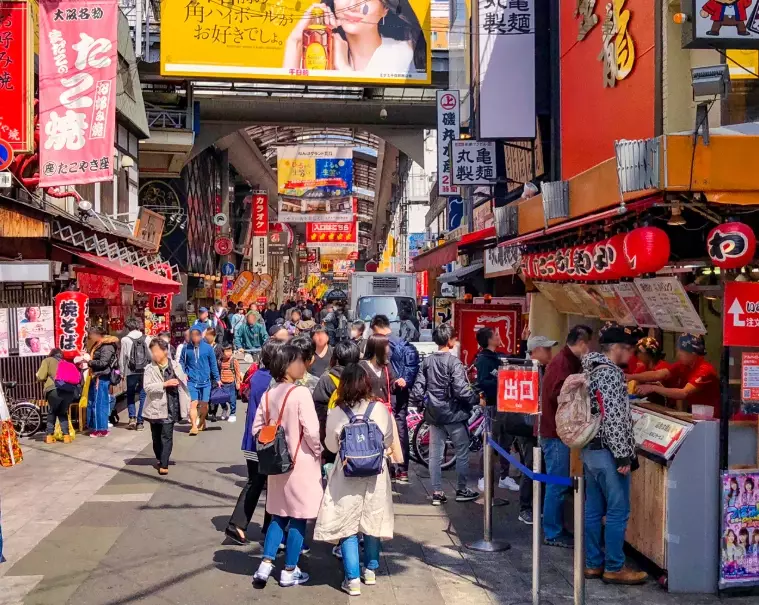
This is where you'll likely spend your evenings. It's packed, brightly lit, and full of energy until midnight or later. Safety from crime is high due to sheer numbers and police presence. The real issue? Pickpocketing and bag-snatching, while still rare by global standards, have occasional reports in dense crowds. Keep your wallet in a front pocket or a secured bag. Also, some touts near certain bridges might try to pull you into overpriced clubs. A firm "iie" (no) and walking away works.
Umeda, Osaka Station City: The Business Hub
Umeda is orderly and clean. The underground malls and station corridors are well-patrolled. After the last trains (around midnight), the above-ground streets can get quiet quickly, with only taxis and a few stragglers. You'll feel safe, but it can feel eerily empty compared to the daytime bustle. This is a good area to be mindful of your last train time to avoid a costly taxi ride back to your hotel.
Shinsekai & Tennoji: The Grittier, Old-School Vibe
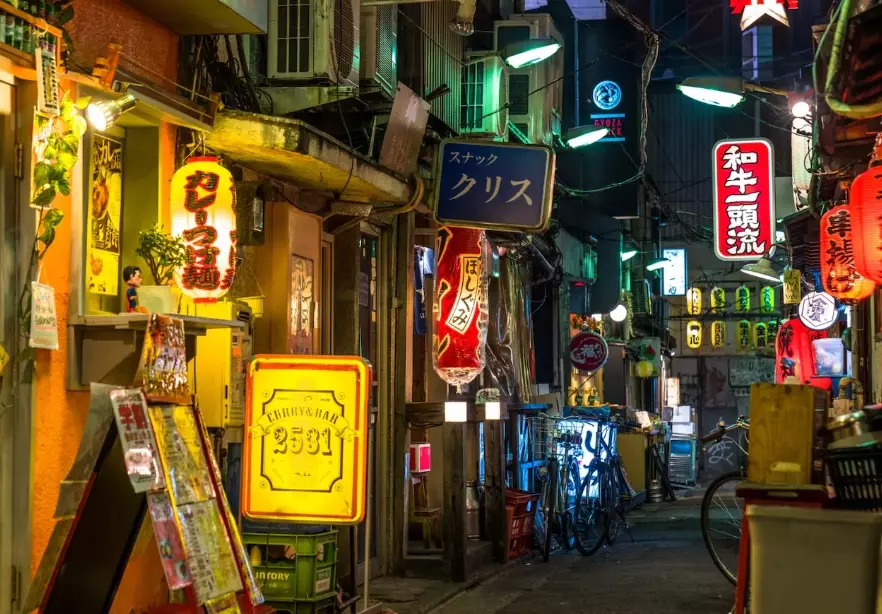
Shinsekai has a reputation from decades past. Today, it's largely safe for tourists enjoying kushikatsu and seeing the Tsutenkaku Tower. However, it has a higher concentration of homeless individuals and some run-down gambling halls (pachinko). The atmosphere is more chaotic. I'd advise sticking to the main streets, being slightly more alert with belongings, and perhaps avoiding the quieter side streets late at night if you're alone. It's not dangerous, but it requires a bit more street smarts than Dotonbori.
Kitashinchi & Tobitashinchi: The Nightlife & Entertainment Districts
This is where the nuance matters. Kitashinchi is upscale, full of expensive hostess clubs and bars. Tobitashinchi is known for its many small bars and restaurants. They are generally safe but operate on a different social code. The potential risk here is financial. Some bars, especially those without clear menus or prices, can charge exorbitant "seat fees" or drink prices. If a host outside is overly aggressive, it's a red flag. Stick to places with clear price tags or that are recommended by your hotel/guidebook.
Practical Night Safety Tips for Osaka
These aren't scare tactics. They're the habits of experienced travelers in Japan.
- Transport is Key: The subway and trains stop around midnight. Know your last train. If you miss it, taxis are safe but expensive. Major stations have taxi ranks. Ride-sharing apps like Uber exist but mainly function as taxi-hailers.
- Use Your Hotel's Business Card: This is a classic, underrated tip. If you get lost, especially in a non-touristy area, just show the card with your hotel's name and address to a taxi driver. It bypasses all language barriers.
- Cash and Cards: Carry some cash. Many small bars and late-night food stalls (yatai) don't take cards. But don't carry your entire travel fund. Use a hotel safe.
- The Drunken Salaryman: You will see them. They are almost always harmless, just loud and clumsy. Give them a wide berth. The culture tolerates this public drunkenness among colleagues, but it rarely turns aggressive.
- Solo Women Travelers: Osaka is relatively safe. Consider women-only carriages on trains during rush hour (marked in pink). In bars, trust your instincts. Japanese bars with counters ("akachochin" or small izakayas) are often very safe for solo diners.
- Emergency Numbers: Police: 110. Ambulance/Fire: 119. For non-emergency help in English, the Japan Tourist Helpline is 050-3816-2787.
Understanding Common Low-Level Risks
Let's be specific about what "risk" actually looks like in Osaka at night.
- Bicycle Theft: More common than personal theft. Don't rent a bike and leave it unlocked, even for a minute.
- Lost Property: You're more likely to lose your wallet than have it stolen. If you do, there's a high chance it will be turned into the nearest police box ("koban") with cash intact. It happens regularly.
- Overcharging in Bars: As mentioned, this is the most likely negative financial experience. Avoid bars with no visible price list or with staff pulling you in from the street.
- Traffic: Cars drive on the left. Be careful when crossing streets, especially after a few drinks. Scooters and bicycles on sidewalks can be quiet and fast.
Your Osaka Night Safety Questions Answered
So, is Osaka safe at night? For the vast majority of tourists, the answer is a resounding yes. You're far more likely to be charmed by the neon lights, the friendly chatter from izakayas, and the incredible late-night ramen than to encounter any trouble. Pack your common sense along with your camera, understand the lay of the land in different districts, and you're set for an unforgettable Osaka night out. The city is waiting, and it's remarkably welcoming, even after the sun goes down.

Share Your Thoughts