Let's cut to the chase. Based on nearly a decade of living here and showing friends around, Tokyo is one of the safest major cities in the world for tourists at night. The crime rates are astonishingly low. You're statistically far more likely to lose your wallet and have it returned than to be mugged. But "safe" is a relative term. Your experience depends heavily on where you go, what you do, and crucially, how well you understand the local context. This isn't about fear-mongering; it's about giving you the concrete knowledge to navigate Tokyo's incredible nightlife with the same confidence a local would.
What You'll Find in This Guide
The Big Picture: What the Numbers Say
First, some hard data. According to the Tokyo Metropolitan Government, the city consistently reports violent crime rates that are a fraction of those in cities like London, New York, or Paris. The 2022 data shows a homicide rate of 0.3 per 100,000 people. For comparison, New York City's was about 5.2. Petty theft like pickpocketing exists, but it's less common than in many European capitals.
The sense of security is palpable. You'll see schoolchildren taking trains alone late for cram school, women walking home with headphones in, and salarymen sleeping soundly on the last train. The infrastructure is designed for safe nighttime movement: streets are well-lit, train stations are staffed until late, and there's a pervasive culture of social order.
The bottom line: The risk of random violent crime is extremely low. Your primary safety focus should be on situational awareness, avoiding scams in specific nightlife areas, and managing practicalities like transportation, not on personal security threats.
Neighborhood Breakdown: From Shinjuku to Shibuya
Tokyo isn't a monolith. Safety feels different in a bustling entertainment district versus a quiet residential lane. Here’s a street-level look.
Major Entertainment Hubs: Vigilance in the Vibrancy
Shinjuku (Kabukicho & Golden Gai): This is the classic "bright lights" Tokyo you see in movies. Kabukicho is safe in terms of violence but is the epicenter for touts and minor scams. Men in suits might whisper "massage, sexy, girls" or try to guide you into overpriced bars with hidden fees. The rule is simple: never follow a tout into an establishment. Golden Gai, with its tiny bars, is generally safe and friendly if you're respectful. Stick to main streets; some back alleys can feel sketchy but are usually just quiet.
Shibuya (Center Gai, Dogenzaka): Similar to Shinjuku but with a younger crowd. Touts exist, especially near Love Hotel Hill (Dogenzaka). The scramble crossing area is packed but safe—just watch for pickpockets in the extreme crowds on weekends. The atmosphere is more chaotic but less seedy than parts of Shinjuku.
Roppongi: This is the area where I'm most cautious. Historically known for club scams and aggressive touts targeting foreigners. While cleaned up significantly, it still has a reputation. If you go to a major, well-known club, you'll be fine. Be extremely wary of random people inviting you to smaller bars or clubs off the main strip. Drinks can be spiked, and bills can be inflated astronomically.
Generally Chill & Walkable Areas
Ginza, Marunouchi, Tokyo Station Area: Upscale, well-lit, and quiet at night after shops close. Very safe for walking. You might feel like the only person on some streets.
Shimokitazawa, Nakameguro, Daikanyama: Trendy neighborhoods with great bars and restaurants. They have a local, relaxed vibe. You'll be surrounded by young Japanese crowds enjoying a night out. Extremely safe.
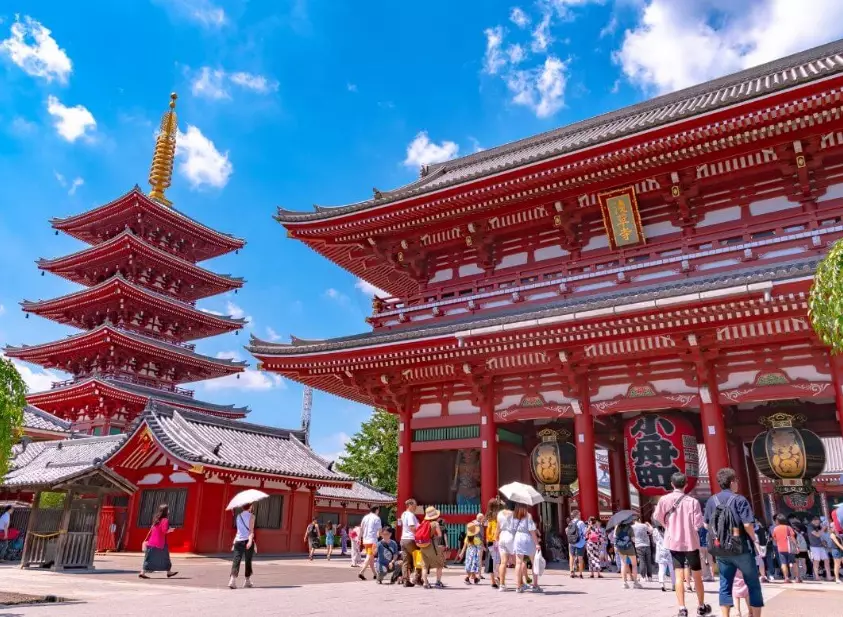
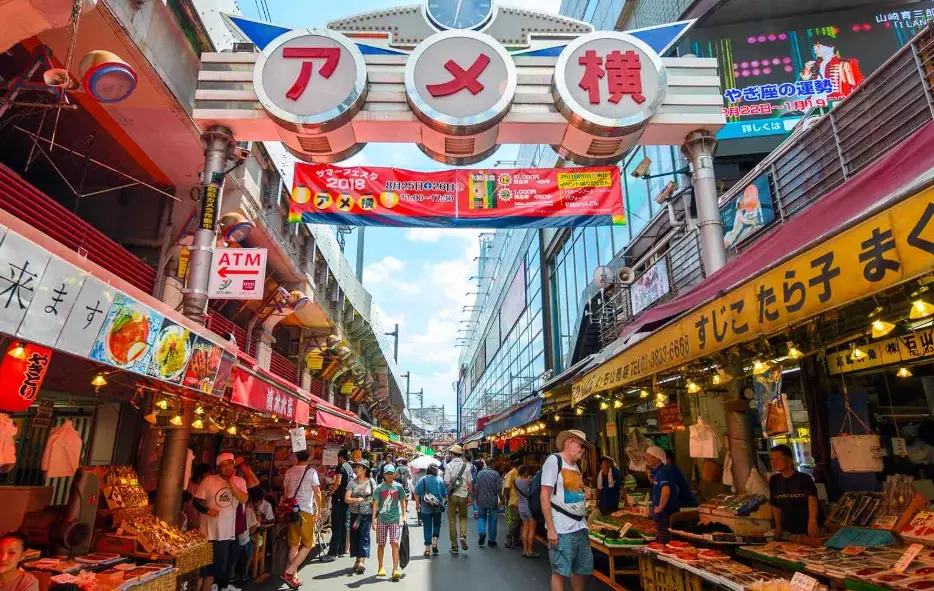
Asakusa & Ueno: The temple/shrine areas (like Senso-ji) are quiet and empty at night, which can feel eerie but isn't dangerous. Stick to the main paths. The Ameyoko shopping street in Ueno is bustling until early evening but winds down.
| Neighborhood | Nighttime Vibe | Primary Safety Consideration | Best For |
|---|---|---|---|
| Shinjuku Kabukicho | High-energy, sensory overload | Avoid touts; stick to main streets | Seeing iconic nightlife, themed bars |
| Shibuya Center Gai | Youthful, crowded, chaotic | Pickpockets in crowds; minor touts | Bar-hopping with friends, people-watching |
| Roppongi | Club-centric, international | High risk of club/bar scams; be selective | Major international clubs (if pre-researched) |
| Ginza | Quiet, upscale, empty | Very low; perhaps feeling too alone | Late dinner, peaceful strolls |
| Shimokitazawa | Bohemian, local, relaxed | Very low; typical bar scene awareness | Live music, quirky small bars |
| Asakusa (near Senso-ji) | Serene, dark, historical | Low crime but can feel isolated | Atmospheric night photos (stay in lit areas) |
Practical Safety Tips for a Smooth Night Out
Safety is about smart logistics as much as anything. Here’s your checklist.
- Know Your Last Train: Trains and subways stop running between midnight and 1:00 AM. Missing it is the #1 source of tourist "panic." Taxis are safe but expensive. Apps like JapanTaxi or DiDi are reliable. Alternatively, many internet cafes or manga cafes offer cheap overnight stays (a "net cafe refugee" experience).
- Carry Your Hotel Card: Have the name and address of your accommodation written in Japanese on a card or saved on your phone. Crucial for showing a taxi driver if you're lost or can't speak.
- Cash is Still King (at night): Many small bars, food stalls (yatai), and even some taxis only take cash. Don't get stranded with only a card.
- Use Coin Lockers: Stations have abundant coin lockers. Stash your shopping bags or heavy day-pack before going out at night. Travel light.
- Police Boxes (Koban): These small neighborhood police posts are everywhere. Officers are generally helpful, even with language barriers. If you're lost or need help, go to a Koban. It's what they're there for.
- Trust Your Gut, Not the Touts: If someone approaches you on the street with an offer that seems too good or pushy, just say "iie, kekkou desu" (no, thank you) and keep walking. A firm no works.
A subtle mistake I see: Tourists assume a well-dressed, polite person speaking good English is trustworthy. Some of the most persistent touts in Roppongi and Kabukicho fit this description perfectly. Politeness is a social default here, not a guarantee of good intentions.
Specific Concerns: Solo, Female, and Family Travelers
Solo Female Travelers
Tokyo is a top destination for solo women for good reason. You can walk alone at night with a high degree of comfort. Specific tips:
- Women-Only Hotel Floors & Capsules: Many business hotels and capsule hotels offer women-only floors, which provide an extra layer of comfort.
- Train Cars: During rush hour, many train lines have women-only cars (usually marked in pink). They often run late at night too, especially on Fridays and Saturdays.
- Unwanted Attention: While catcalling is rare, you might get curious stares or the occasional awkward conversation in a bar. A polite but clear disengagement is usually effective. In izakayas, sitting at the counter can feel less isolating than a table.
- Resources: The Japan National Tourism Organization (JNTO) has specific safety advice for women travelers.
Solo Male Travelers
Your biggest risk is being drawn into a scam bar. The touts often target single men. Stick to places you've researched or that are busy with local patrons.
Families with Children
Tokyo is incredibly family-friendly. Streets are safe for walking, and convenience stores (like 7-Eleven, FamilyMart) are everywhere for emergency snacks or supplies. Just mind the late hours—kids' routines might be disrupted by the time difference and excitement.
Safety Through Cultural Nuances
Understanding a few cultural points prevents misunderstandings that can lead to uncomfortable situations.
- Drinking Culture: Public drunkenness is tolerated more than in many Western countries. You'll see salarymen sleeping on benches. However, being loud, obnoxious, or disruptive draws negative attention and marks you as a target for touts. Drink responsibly.
- The Art of Refusal: A direct "no" can be considered rude. A hesitant "chotto..." (well, it's a bit...) or "kekkou desu" (I'm fine) is the polite way to decline an unwanted invitation.
- Photography: It's generally safe to take out your phone or camera, but never photograph people without permission, especially in sensitive areas like red-light districts or inside small, private bars.
- Lost & Found Excellence: If you drop something, there's a real chance it will be turned in. Check with the nearest station master or Koban. I've had a friend recover a lost camera days later.
Your Night Safety Questions, Answered
Tokyo at night is an essential part of the experience—from neon-lit skyscrapers to serene temple grounds, sizzling yakitori stalls to hidden cocktail bars. The safety statistics are on your side. By combining that with street-smart awareness of specific areas, a handle on the transportation cut-offs, and a dash of cultural understanding, you're set not just for a safe night, but for an unforgettable one. Go explore.

Share Your Thoughts